

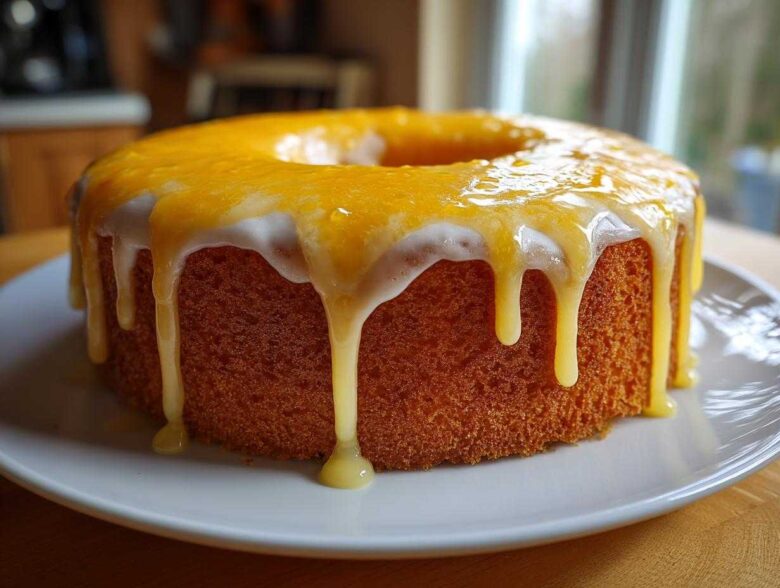
Oh my goodness, if you are craving a dessert that just bursts with sunshine and feels incredibly tender—I mean, melt-in-your-mouth moist—then stop what you’re doing! We absolutely have to talk about my go-to orange juice cake recipe. Forget those dry, stiff versions you might have tried before. I spent way too many weekends testing ingredient ratios to figure out the trick to maximum moisture here. Check out some of my other baking adventures over on the main blog page while you wait!
This cake, finished with a bright, zesty citrus glaze, is honestly a game-changer. It bakes up beautifully, smelling like a grove of fresh oranges thanks to using real, freshly squeezed juice. Once you see how easy it is to pull off this simple, homemade cake from scratch, it’ll take over your brunch rotation. Trust me, this is the ultimate moist orange cake recipe you’ll ever need!
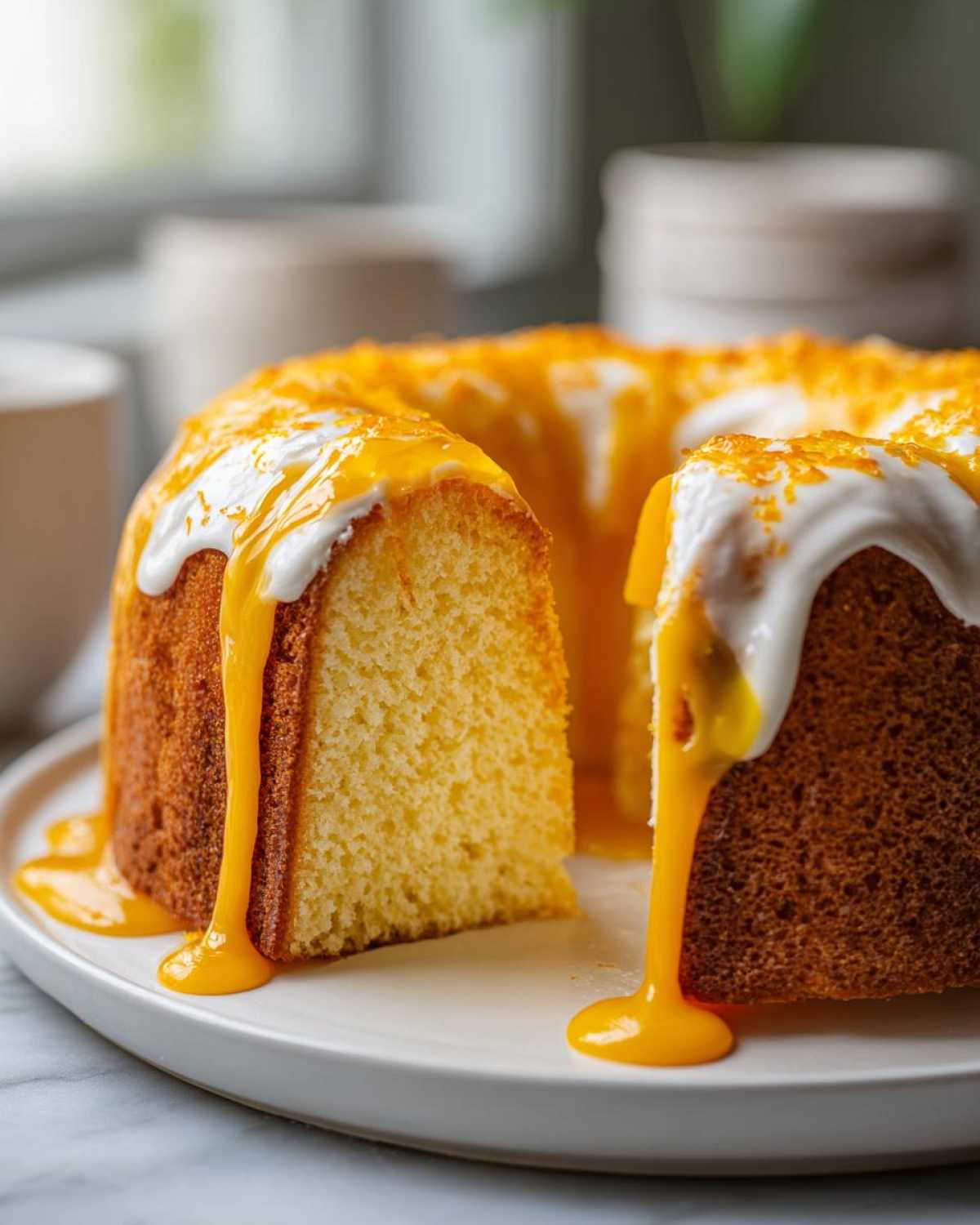
It reminds me of the cakes my aunt used to bring to outdoor cookouts—simple but always the first thing gone. I added a little hint of vanilla to balance that bright citrus tang, and folks never guess how quick it comes together. Seriously, grab your juicer. You’re going to love this!
Why This Ultra Moist Orange Juice Cake Recipe Works
When you’re looking for that perfect bright, light dessert, you need a recipe that delivers on flavor without drying out halfway through the afternoon. I’ve tweaked this one until I considered it foolproof. It’s got that wonderful orange zing but stays wonderfully tender.
- It delivers intense citrus flavor using both juice and a hint of zest (if you choose to add it!).
- The glaze is simple, quick, and finishes the cake perfectly without needing heavy frosting.
- It’s a real showstopper that tastes like you spent hours on it, even when you didn’t!
Quick Orange Cake Prep Time
It’s so speedy because we keep things straightforward. You’re looking at just 15 minutes of prep time before this beauty heads into the oven. This makes it perfect for those last-minute brunch needs or when you just need a quick orange cake fix!
Achieving the Perfect Moist Orange Cake Recipe Texture
The secret is in balancing the fat (softened butter!) with the liquids (that fresh orange juice and milk). My biggest technique tip, and please listen closely: once you add the flour mixture, you stop mixing as soon as the streaks disappear. Overmixing those liquids develops the gluten, and we want tenderness here, not rubber bands!
Gathering Ingredients for Your Orange Juice Cake
Okay, let’s talk goodies! Getting the right ingredients is half the battle for this orange juice cake. We need things that sing together—that nice blend of rich butter and sharp citrus is just magic. I always say if you have good quality vanilla and use freshly squeezed juice, you’re halfway to a fantastic, simple orange dessert.
Make sure your butter has been sitting out for a bit so it’s perfectly softened—you should be able to press a finger into it easily. And don’t skimp on the eggs; they give our cake that lovely structure alongside the wet ingredients. If you love intense flavor, check out my tricks for the lemon pound cake too; the principles are the same!
Ingredient Notes and Substitutions for Orange Juice Cake
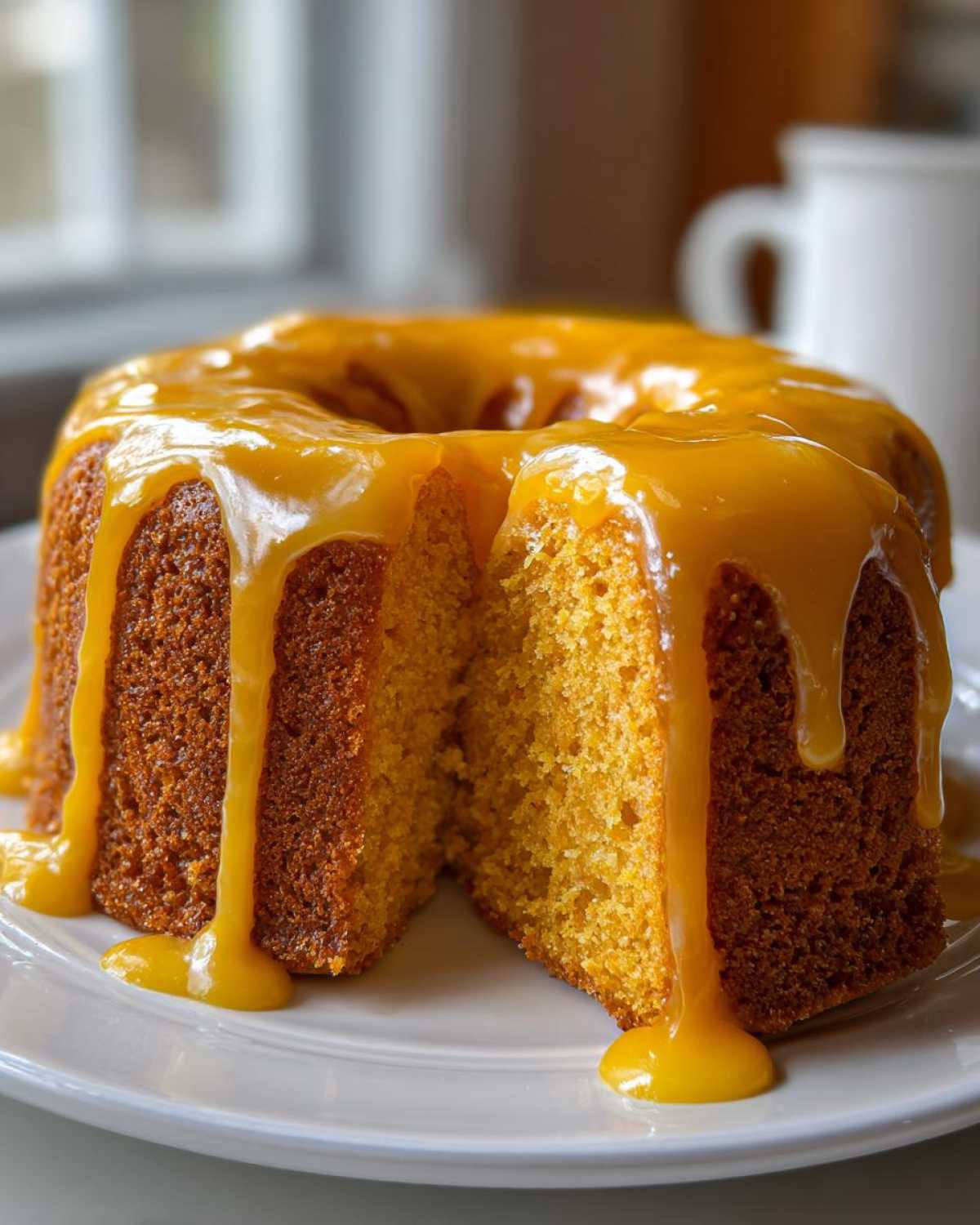
Here’s the vital part: try to use that fresh orange juice we talked about. Bottled juice just doesn’t have the same brightness for this recipe. If you want to really amp up the zing for a truly zesty experience, use the zest of one whole orange along with the juice—it captures all those fragrant oils!
Regarding pans, the recipe calls for a 9-inch round, but don’t panic if that’s all you have; you can definitely use a standard loaf pan or even a lovely bundt pan if you grease it up really well. Just remember baking times change when you switch vessels!
Step-by-Step Instructions for the Orange Juice Cake
Ready to make some magic? This process is easy peasy, I promise. We’re moving fast, so make sure you’ve got everything measured out first. First things first: get that oven heating up to 350 degrees F (175 degrees C) and take care of your pan—grease and flour it well! We don’t want any sticky surprises later, especially if we are aiming for that perfect crust on our orange juice cake.
You’ll start by prepping your dry ingredients in one bowl—flour, baking powder, soda, and salt—just a quick whisk to get them acquainted. Then, move to your big bowl for the creaming part. Once everything is baked, remember to let it cool in the pan for a good 10 minutes before moving it out onto a wire rack to cool completely. That initial slow cool down is important before we even think about glazing!
Mixing the Batter for Your Homemade Orange Cake
This is where we build the flavor and structure! Start by creaming that softened butter and sugar together until it’s light and fluffy, like pale whipped clouds. Then, beat in your eggs, one by one, making sure each one is fully incorporated before adding the next. Next up, we alternate. You’re going to add the dry mixture and the orange juice mixture in steps, always starting and ending with the dry stuff. Seriously, once you see the flour disappear—stop! A few little lumps won’t hurt, but overmixing will kill the tenderness we are working so hard for in this homemade orange cake.
Creating the Bright Citrus Glaze Cake Topping
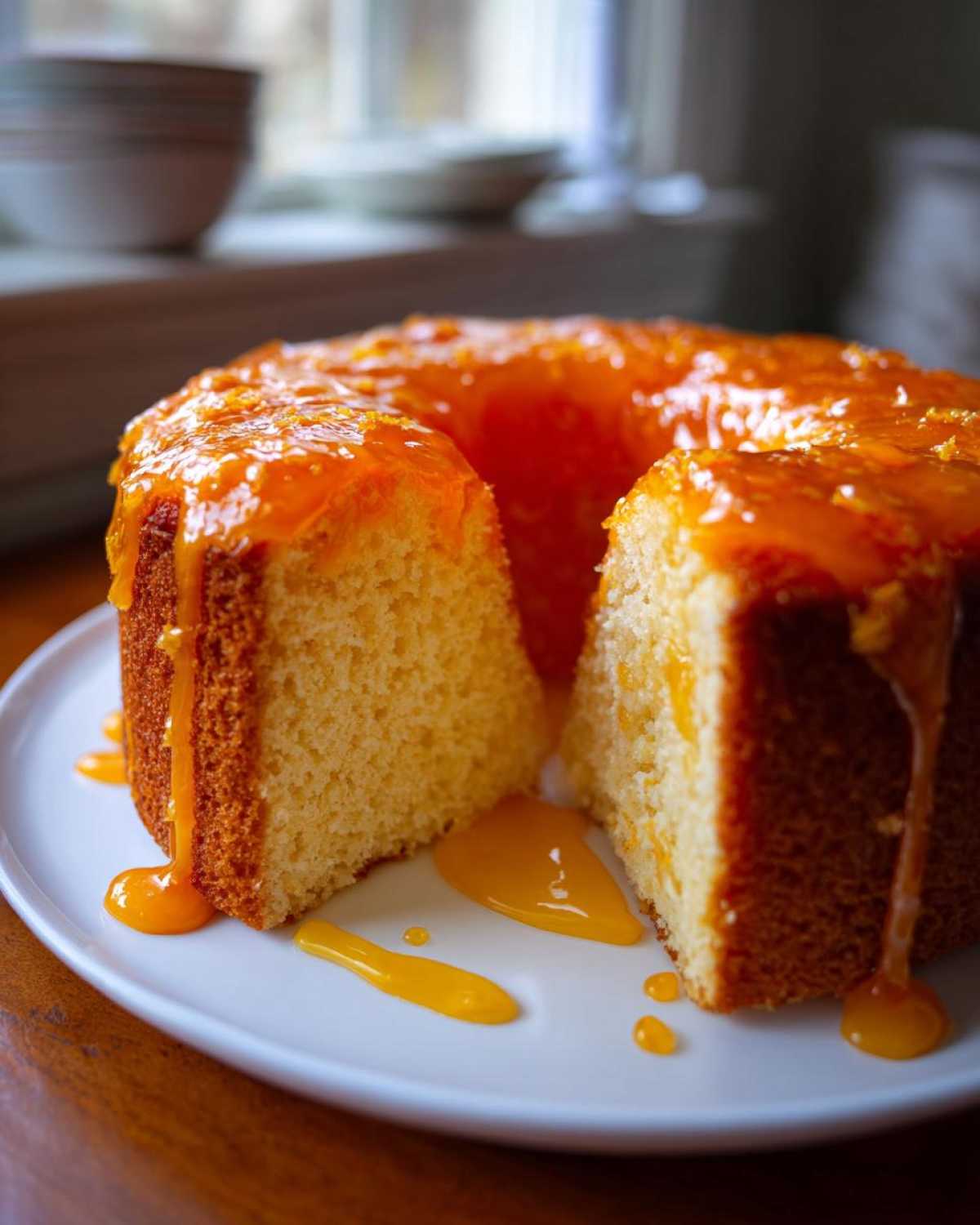
Once the cake is fully cool—and I mean *fully* cool, otherwise the glaze just melts right off—it’s time for the best part! We’re making a simple citrus glaze cake topping. Just grab your powdered sugar and start whisking in the orange juice, two tablespoons to start. You need to stir it until it’s completely smooth. If it looks too stiff or like it’s fighting you, add just a tiny splash more juice, maybe a half teaspoon at a time. You want it thick enough that it drizzles beautifully down the sides, not just runs straight off. Then just pour it right over the top and watch it drip! For more quick baking inspiration, check out my chocolate chip banana bread recipe; it uses a similar drizzling technique.
Tips for Baking the Best Orange Juice Cake
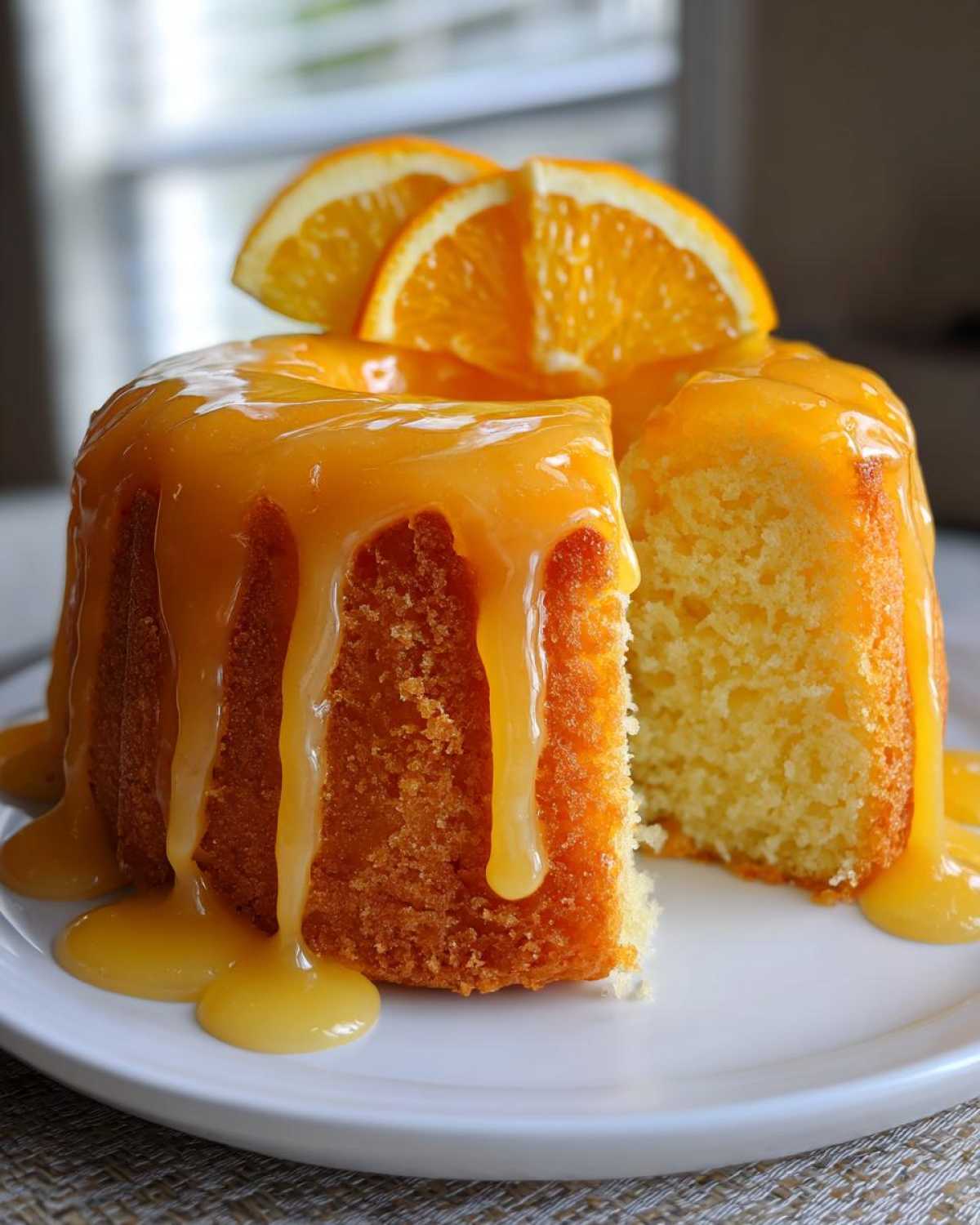
I’ve baked this orange juice cake so many times I could probably do it in my sleep, but a couple of extra steps really push it over the edge from good to “Wow, what is in this?!” Remember that zest I mentioned? Please don’t skip it if you want that real, punchy citrus flavor throughout the crumb.
Also, when using a bundt pan, you need to be vigilant. Those decorative nooks and crannies can really grab onto a cake, especially one this moist. Make sure you coat that pan incredibly well, maybe even use a dusting of flour mixed with a tiny bit of fine sugar for extra insurance against sticking!
If you are serving this outdoors at a summer picnic, maybe hold off on the glaze until just before you leave. The wet glaze can get a little sticky in high humidity, even though this cake stays wonderfully fresh longer than most!
Serving Suggestions for Your Fresh Orange Dessert
This fresh orange dessert is wonderfully flexible! It’s delicious all on its own, especially when that glaze sets up nice and firm. But if you’re serving it up for a special occasion or turning it into a heartier affair, I love pairing it with simple additions.
For a real weekend treat, try a dollop of lightly sweetened whipped cream right on top. If it’s summer, nothing beats fresh slices of strawberries or maybe a few raspberries scattered around the plate. It’s a fantastic addition to any brunch cake ideas spread. Once you try these flavors together, you might even want to skip the pancakes next time and go straight for this banana oat blender pancakes!
Storage and Reheating Instructions for Orange Juice Cake
This is one of those perfect cakes because it actually tastes better the next day, I swear! Since this is such a moist cake recipe, you don’t need to worry about the fridge unless your kitchen is boiling hot. Just cover it up tightly with plastic wrap or pop it under a big cake dome.
It stays fantastic right on the counter at room temperature for up to three days. Seriously, no reheating necessary! If you happen to freeze a slice, just let it thaw slowly on the counter for a few hours. Easy peasy!
Frequently Asked Questions About This Orange Juice Cake
I know when I follow a recipe, I always have a few little worries popping up in my head. That’s totally normal, right? Baking is fun, but you want that guaranteed success! Here are some of the questions I get asked most often about making sure this orange juice cake turns out perfectly every time, whether you are a seasoned baker or just looking for an easy orange juice cake solution.
Can I use bottled orange juice instead of fresh for this orange juice cake?
Look, I’m going to be honest: if you can use fresh juice, please do! The brightness and aroma you get from squeezing an actual orange beats bottled juice hands down for a fresh orange dessert. The flavor just pops! However, if you are in a huge pinch and that’s all you have, the cake will still turn out moist and lovely—it just won’t have that same sharp, vibrant zing we are aiming for.
How do I make this a zesty orange loaf cake?
Absolutely, you can totally make this recipe into a zesty orange loaf cake! The batter handles the shape change really well. Just pour it into your greased and floured loaf pan. Because the loaf is deeper than the round cake, you’ll need to keep an eye on it longer. Instead of 30 to 35 minutes, plan for closer to 45 to 50 minutes of baking time. Always test it with a toothpick in the very center!
If you have any other burning questions after trying this out, don’t hesitate to reach out and connect with me over on the contact page!
Estimated Nutritional Breakdown for Orange Juice Cake
Now, I know many of you are curious about this part, but please take these numbers with a grain of salt—literally and figuratively! Since we are baking from scratch, and everyone’s orange size and measuring habits can differ slightly, these are just helpful estimates based on the standard ingredients listed.
This is a lovely, rich cake, so it packs a little punch, but it certainly feels better knowing you made it yourself! For the full details on what we are working with, here is the breakdown:
- Serving Size: 1 slice
- Calories: 310
- Sugar: 38g
- Sodium: 180mg
- Fat: 13g
- Saturated Fat: 8g
- Unsaturated Fat: 5g
- Trans Fat: 0.3g
- Carbohydrates: 47g
- Fiber: 1g
- Protein: 4g
- Cholesterol: 55mg
Remember, these are guidelines! If you use oil instead of butter for an experiment, or grab slightly different sized eggs, the numbers will shift. For more transparency on how I calculate these numbers, you can always review my full disclaimer page.
Share Your Homemade Orange Cake Experience
That’s it, folks! We’ve covered everything from making sure the butter is softened just right to drizzling that perfect, sunny glaze over the top of our orange juice cake. I truly hope you run to the kitchen and give this a try because it never fails to make my whole house smell like the best kind of sunshine.
Now, I need to hear from you! Once you’ve pulled your beautiful cake out of the oven and given that glaze a try, come back here and let me know how it went. Did you stick to the recipe exactly, or did you sneak in some extra zest like I suggested? Did you try it as an orange bundt cake recipe instead of a round cake?
Drop a rating down below, tell me what you loved most, or ask any last-minute questions popping up in your head. I read every single comment, and I love seeing your baking results! Knowing that this simple, moist sunshine cake is making its way into your kitchens means the world to me. We’re all part of the baking community here at our little corner of the internet, so let’s chat in the comments!
PrintUltra Moist Orange Juice Cake with Bright Citrus Glaze
Bake a simple, moist cake using fresh orange juice for a bright, zesty flavor. This recipe includes a simple citrus glaze.
- Prep Time: 15 min
- Cook Time: 35 min
- Total Time: 50 min
- Yield: 8 servings
- Category: Dessert
- Method: Baking
- Cuisine: American
- Diet: Vegetarian
Ingredients
- 1 3/4 cups all-purpose flour
- 1 1/2 teaspoons baking powder
- 1/2 teaspoon baking soda
- 1/2 teaspoon salt
- 1/2 cup unsalted butter, softened
- 1 cup granulated sugar
- 2 large eggs
- 1/2 cup fresh orange juice
- 1/4 cup milk
- 1 teaspoon vanilla extract
- For the Glaze: 1 cup powdered sugar
- For the Glaze: 2 tablespoons fresh orange juice
Instructions
- Preheat your oven to 350 degrees F (175 degrees C). Grease and flour a 9-inch round cake pan or a standard loaf pan.
- In a medium bowl, whisk together the flour, baking powder, baking soda, and salt. Set aside.
- In a large bowl, cream the softened butter and granulated sugar together until light and fluffy.
- Beat in the eggs one at a time, mixing well after each addition.
- In a separate small bowl, whisk together the orange juice, milk, and vanilla extract.
- Gradually add the dry ingredients to the wet ingredients, alternating with the orange juice mixture, beginning and ending with the dry ingredients. Mix until just combined; do not overmix.
- Pour the batter into the prepared pan.
- Bake for 30 to 35 minutes for a round cake, or 45 to 50 minutes for a loaf cake, or until a toothpick inserted into the center comes out clean.
- Let the cake cool in the pan for 10 minutes before inverting it onto a wire rack to cool completely.
- While the cake cools, prepare the glaze: Whisk together the powdered sugar and 2 tablespoons of orange juice until smooth. Add more juice, a half teaspoon at a time, if the glaze is too thick.
- Drizzle the glaze evenly over the cooled cake. Let the glaze set before slicing and serving.
Notes
- For a stronger orange flavor, use the zest of one orange in the cake batter along with the juice.
- You can bake this batter in a bundt pan; increase the baking time slightly and check for doneness.
- This cake keeps well covered at room temperature for up to three days.
Nutrition
- Serving Size: 1 slice
- Calories: 310
- Sugar: 38g
- Sodium: 180mg
- Fat: 13g
- Saturated Fat: 8g
- Unsaturated Fat: 5g
- Trans Fat: 0.3g
- Carbohydrates: 47g
- Fiber: 1g
- Protein: 4g
- Cholesterol: 55mg