

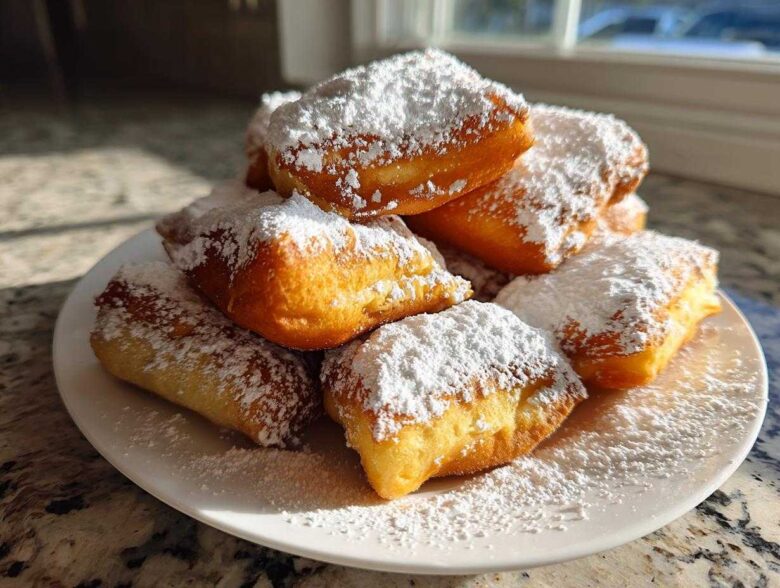
Oh my gosh, when that first batch of beignets comes out of the oil, you will forget every single other breakfast pastry you have ever eaten! Truly! There is nothing—and I mean nothing—like biting into a piece of hot, fluffy fried dough that’s been waiting for you, steaming under a mountain of powdered sugar. But we aren’t making just any doughnut here; we are making Vanilla French Beignets, and that means the dough has to be airy enough to float, with a perfect balance of yeastiness and that glorious, warm vanilla scent.
I spent what felt like three straight weekends battling oil temperature until I got the technique down perfectly. Trust me, once you see those little squares puff up like pillows, you’ll realize it’s not scary at all—it’s just pure magic happening right on your stovetop. This Classic Vanilla Beignet Recipe is my absolute winner for achieving that melt-in-your-mouth center every single time we make them.
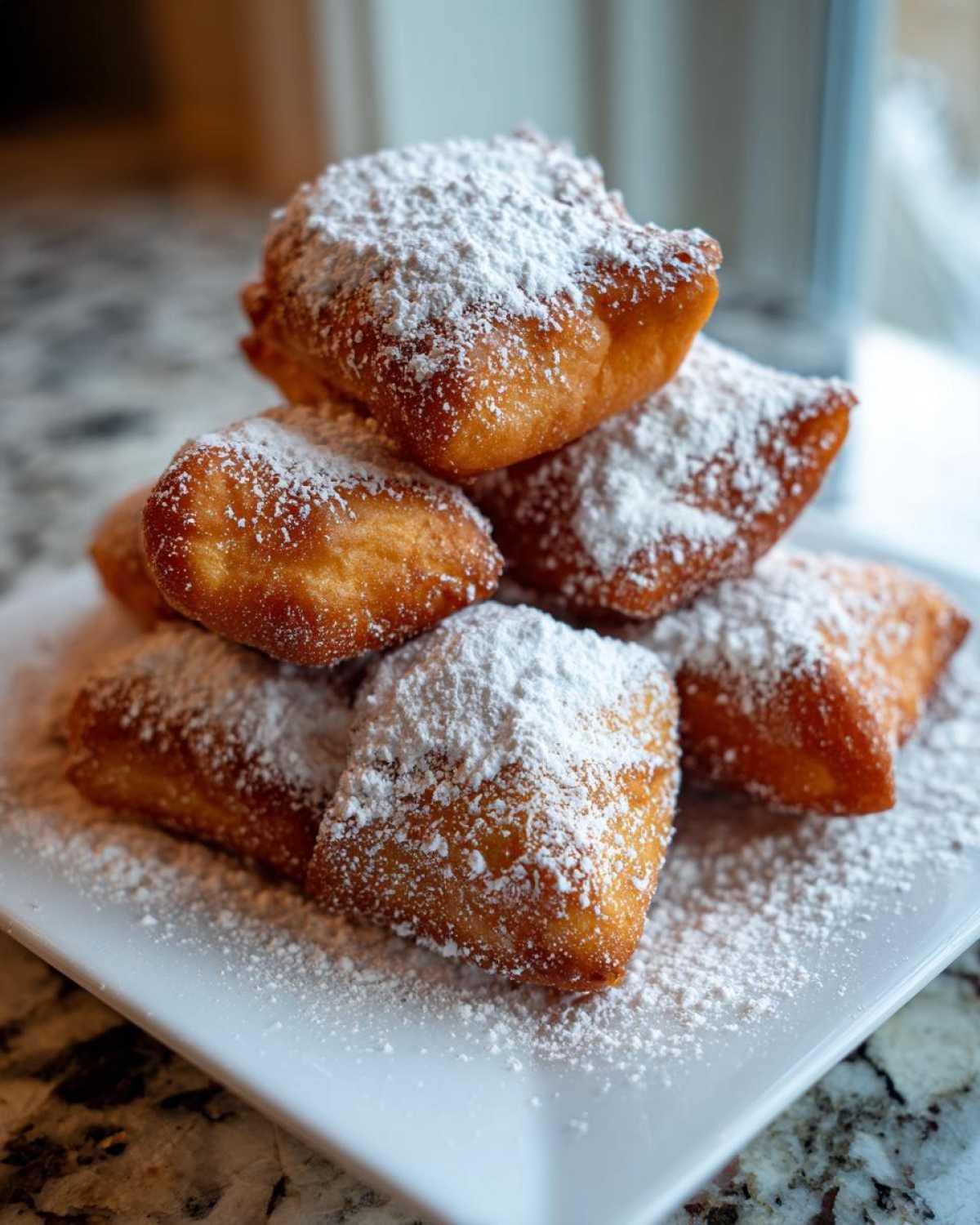
Why You Will Love This Vanilla French Beignets Recipe
I get why you’re excited about this recipe, because honestly, these are my favorite sweet treat to make when I have the time! They are just perfect. Here’s why you need to stop scrolling and start mixing:
- They are genuinely light and airy! It’s the easiest yeast dough you’ll ever handle, and it yields impossibly fluffy results.
- The vanilla flavor truly sings. We use a full teaspoon, making sure every bite is fragrant, not just sweet.
- The process feels instantly rewarding. Seriously, you go from dough to hot fried dessert in under 20 minutes of actual cooking time!
- They puff up beautifully into those classic square shapes—they look just like the ones you dream about from New Orleans.
- We skip overly complicated mixing methods; this is a straightforward approach to making Homemade French Doughnuts right in your own kitchen.
- Watch my quick tutorial here if you need a visual guide before you start on the dough! Trust me, seeing that puff is everything.
Ingredients for Perfect Vanilla French Beignets
Okay, let’s talk turkey. The ingredients for these Vanilla French Beignets are super simple—that’s part of the charm! You probably have most of this stuff already. But listen, since there are so few components, every single one needs to be decent quality, especially that vanilla, because that’s what makes these *ours*.
Don’t feel overwhelmed by the list; it’s just yeast bread dough, folks! Just make sure your milk is the right temp, or the yeast just won’t wake up. Nobody wants a flat beignet!
- Milk: You need 1 cup of milk, and it absolutely must be warm, between 105–115°F. Too hot and you kill the yeast dead; too cool and it sulks.
- Yeast: That’s 2 1/4 teaspoons of active dry yeast. That tiny packet is the key to the fluff!
- Sugar: We use 1/4 cup of plain granulated sugar to feed the yeast and give the dough a tiny bit of sweetness.
- Egg: Just one large egg for richness.
- Vanilla: Use 1 teaspoon of good vanilla extract. If you have vanilla bean paste, now is the time to use it! It really makes the flavor pop against the fried texture.
- Salt: Half a teaspoon to keep the flavor balanced. Don’t skip it, or they taste flat!
- Flour: Start with 3 cups of all-purpose flour, but keep extra nearby because you’ll need it for dusting later.
- Oil: For frying, grab a neutral oil like vegetable or canola. You’ll need about 2 to 3 inches deep in your pot, so be prepared!
- Powdered Sugar: This is mandatory—buy the biggest container you can find. You’re going to cover these things edge-to-edge!
Essential Equipment for Making Vanilla French Beignets
You don’t need a fancy stand mixer for these, which is great news! I actually prefer mixing the dough by hand because I can feel when it’s perfectly smooth. But there are two pieces of equipment you absolutely cannot skip if you want that classic light and fluffy texture. If you skip these, you might end up with sad, greasy little frisbees instead of pillowy pastries, and nobody wants that!
Here is what you’ll need to gather before you even think about turning on the stove:
- A heavy-bottomed pot: This is crucial for frying! A thin pot lets the heat drop too fast when you add the cold dough. I use my Dutch oven, but any heavy pot works fine.
- A reliable thermometer: Seriously, get a candy or deep-fry thermometer. Eyeballing 365°F is how you get dough that looks brown outside but is raw gummy sludge inside. We need to maintain that temperature!
- A rolling pin: You need to get that dough rolled evenly to about 1/4-inch. Uneven rolling means some parts burn while others stay undercooked.
- A slotted spoon or spider strainer: Once they are golden and puffy, you need a fast way to fish them out of the hot oil and onto your draining rack without splashing yourself.
- Wire rack and paper towels: We drain these briefly to get rid of the surface oil, but they need to dry so the sugar sticks properly.
Step-by-Step Instructions for Vanilla French Beignets
Alright, this is where the real fun begins! Making the dough is easy, but the rising and the frying are where you can really make or break them. Don’t stress too much about perfection right now; we just need patience for the rising and precision for the heat. Remember, we are aiming for that gorgeous, airy interior encased in a crisp shell. If you need a refresher on yeast dough basics, check out my dedicated guide on easy vanilla yeast dough, but honestly, this recipe is straightforward!
Making the Easy Vanilla Yeast Dough Recipe
First things first, we need to wake up that yeast! Mix your warm milk and yeast together gently and just let it sit for about five minutes. You want to see that beautiful foamy layer pop up on top—that tells you the yeast is happy and ready to work its magic. Once it’s foamy, stir in the sugar, your signature vanilla, the egg, and salt. Then, start adding that three cups of flour slowly. Mix until it just comes together into a soft, slightly sticky ball. Don’t over-knead! Just work it on a lightly floured surface for about five to seven minutes until it feels smooth under your hands. A little tackiness is good; it means we’ll have a light interior later on.
Proofing and Shaping Your Sweet Fried Square Dough Recipe
Now, it needs a nap! A well-rested dough fries up lighter, trust me on this one. Lightly oil a clean bowl, tuck the dough ball inside, turn it over once so it’s coated, and cover it tightly with plastic wrap. Find the warmest, draft-free spot in your house—my oven with the light on works wonders—and let it chill out for a good hour to an hour and a half. It should double in size. Once it’s puffy, gently punch it down, because we need to get that gas out before rolling. Flour your surface lightly, grab your rolling pin, and roll the dough out evenly to about 1/4-inch thickness. If you roll it too thin, they won’t puff; too thick, and they’ll stay gummy inside. Then just use a knife or pizza cutter to slice them into nice 3-inch squares.
Mastering the Perfect Beignet Frying Technique
This is the moment of truth, and this is where that thermometer comes in handy! You need 2 to 3 inches of vegetable oil in your heavy pot, heated to exactly 365°F (185°C). If you drop your dough in and it sizzles violently, your oil is too hot, and the outside will burn before the inside cooks. If it just kind of flops around and barely bubbles, it’s too cool, and it’s going to soak up oil like a sponge—yuck! Carefully drop 3 or 4 squares in at a time. Do not overcrowd! Give them about a minute or two until they puff up beautifully and turn golden brown, then flip them promptly. Once both sides are perfect, scoop them out quickly onto paper towels to drain excess oil. For a deeper dive into keeping that temperature steady, I wrote up the perfect beignet frying guide!
Ingredient Notes and Substitutions for Vanilla French Beignets
I know sometimes we look at a recipe and think, “Well, I don’t have *exactly* that ingredient.” Don’t panic! Since these Vanilla French Beignets rely on simplicity, sourcing the few ingredients correctly makes a huge difference. Let’s talk about the flavor star: Vanilla.
If you are using vanilla extract that you love, go for it! That’s what the base recipe calls for. But if you want that true, decadent bakery flavor, try using vanilla bean paste instead. It adds those tiny black flecks, which look so professional, and the complexity of flavor is unbelievable against the fried dough. I usually swap the extract for 1 teaspoon of paste any chance I get.
Flour Specifics and the Butter Boost
For the flour, stick with all-purpose flour. Bread flour is too high in protein for what we’re doing here; we want tender, slightly delicate inside, not chewy bread. All-purpose flour gives you that perfect soft texture right out of the fryer. If you want to make these even richer—closer to a brioche texture—you can totally do it!
The notes mention substituting some milk with butter, and absolutely, go for it! If you swap out about 1/4 cup of that warm milk called for in the beginning with 1/4 cup of unsalted butter that you’ve melted and then let cool slightly, you introduce more richness. This is a nice little trick if you find your dough feels a little too light or not quite decadent enough for your liking. Just remember to let the melted butter cool so you don’t scald that yeast!
Tips for Success: Achieving Light and Fluffy Deep Fried Dough
I cannot stress this enough: making truly light and fluffy deep fried dough is 90% about temperature control and 10% about being patient for that rise. If you nail the temperature, the dough will puff up beautifully and handle itself perfectly in the oil. If the temperature is off, well, we end up with something closer to a greasy sponge, and we worked too hard for that!
So, keep these three non-negotiable tips front and center when you start frying your Vanilla French Beignets. I learned these the hard way, folding the dough in half because I got scared halfway through the process. Don’t be scared!
- Keep That Heat Steady: Seriously, your thermometer is your best friend. You must keep it between 360°F and 370°F the entire time, stirring the oil occasionally to prevent hot spots from developing. If the oil drops too low—say, below 350°F—the dough will just swim around, absorb all that fat, and deflate instead of puffing proudly. Get it right, and the dough will puff almost instantly!
- Handle Dough Gently After Rising: When you punch the dough down after the first rise, do it gently, almost like giving it a soft pat rather than a hard punch. We want to release most of the big bubbles, yes, but we want to leave some tiny air pockets intact. Overworking the dough after rising eliminates the trapped gas that gives you those lovely aerial interiors later on. Think of it as deflating it quietly, not violently!
- Sugar Immediately After Draining: As soon as those golden squares come out of the oil and onto the paper towels to drain for just a minute, hit them with the powdered sugar! They need to be warm for that sugar to cling properly. If you wait too long, the surface dries out, and the sugar just slides right off. A heavy dusting is required; it’s part of the authenticity! We call these little delights a hot sugared dough dessert for a reason!
- Don’t Skip the Soak: If you find your yeast is a bit sluggish sometimes, try soaking your yeast in a tablespoon of the sugar before adding the milk. It gives it a little head start to get happy. If you ever want to read about my other favorite fried items, you can check out my classic French toast recipe tips, because many of the temperature rules cross over!
Serving Suggestions for Your Hot Sugared Dough Dessert
Honestly, the best way to enjoy these amazing Vanilla French Beignets is standing over the sink, brushing the excess powdered sugar off your shirt five minutes after you pulled them out of the oil. They are absolutely meant to be eaten immediately, piping hot, with no waiting allowed!
But if you are serving them for a proper brunch or as an evening treat, you need the perfect beverage counterpart. Since we are leaning into that New Orleans vibe, you simply have to pair these with a strong cup of coffee. We always go for Café au Lait—that rich, dark roast cut with plenty of steamed milk is the perfect foil for the sheer sweetness of the sugar dusting.
If you’re making these for the kids, chocolate milk is always a surprisingly good pairing with the vanilla notes. And listen, if you have any fresh berries lying around—strawberries or raspberries—a small bowl on the side gives you a little burst of tartness to cut through the richness of the fried dough. But whatever you do, serve immediately, heap on extra sugar, and enjoy the mess!
Storage and Reheating Instructions for Leftover Vanilla French Beignets
Now, let’s be real: these Vanilla French Beignets are designed to be an immediate gratification dessert. They are at their absolute peak texture—puffy, crispy outside, airy inside—about five minutes after they leave the oil and get their sugar blanket, right? If you are lucky enough to have any left over the next morning, you’re going to need my rescue plan. Microwaving these is a big no-no, trust me; you’ll end up with sad, dense pucks.
They are yeast dough that has been fried, so they lose that ethereal fluffiness surprisingly fast. However, we can get them 90% of the way back to perfect! If you are short on time, you can read my tips on reheating other fried breakfast goods, as the same principle applies here.
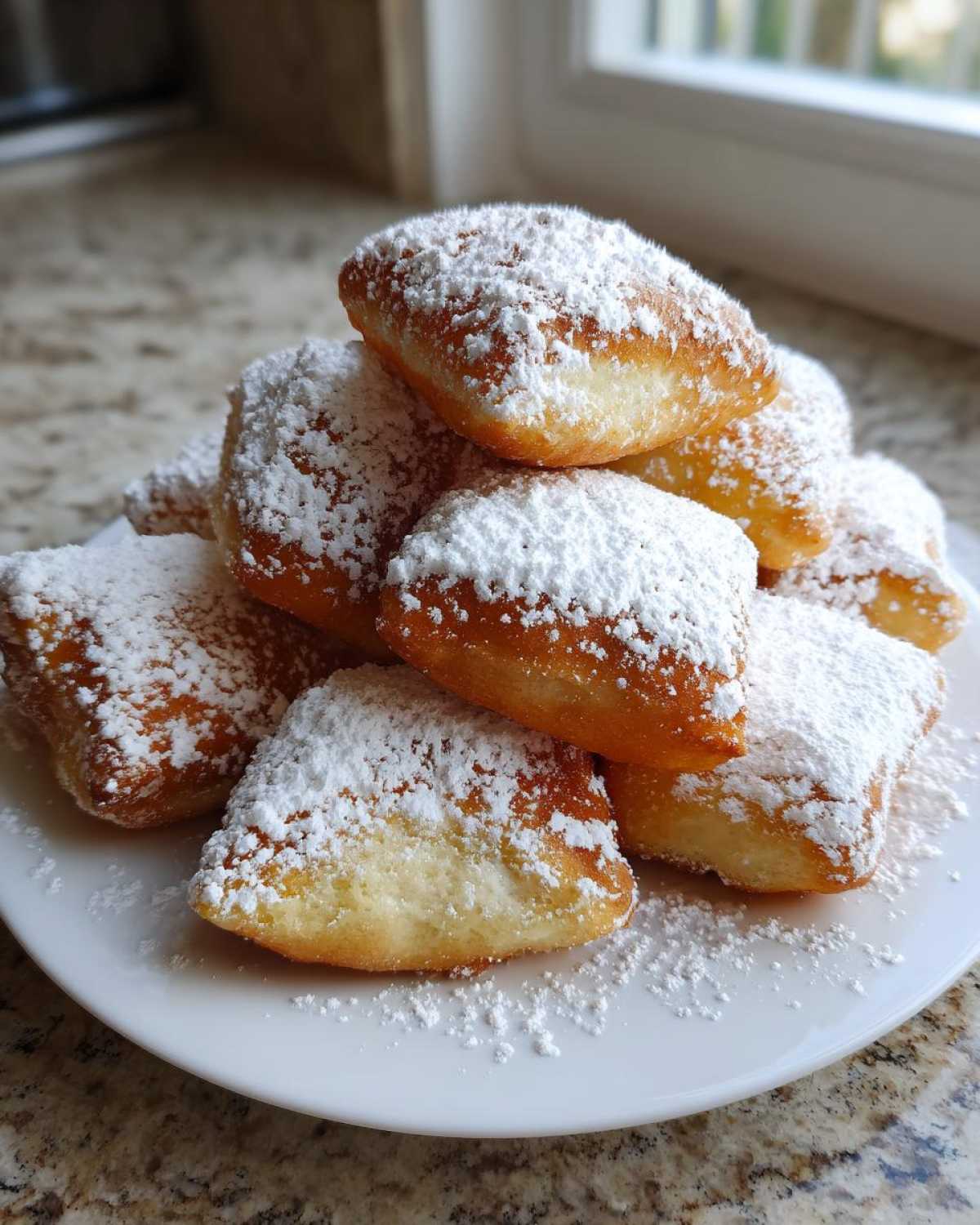
Storing Your Homemade French Doughnuts
If you know you are going to have leftovers (which, honestly, means you weren’t hungry enough!), here is how you store them for up to two days. First, make sure they are completely cooled down before you even think about putting them in a container. If you trap any residual heat with them, they’ll steam themselves into sogginess.
Once cooled, toss them into an airtight container. Do *not* try to store them with extra powdered sugar already on them; the moisture from the dough draws the sugar down and makes it wet and sticky. Store them plain, and then dust with fresh sugar when you reheat them. Keep the container on the counter, not in the fridge, because the cold tends to dry out delicate fried doughs.
The Best Way to Reheat for Maximum Crispness
To bring back that satisfying exterior crunch and warm up the centers, skip the microwave entirely. We need dry heat to pull out any unwanted residual oil and crisp the shell back up. Your oven or an air fryer is the way to go!
If you use the oven, preheat it to about 350°F (175°C). Lay the beignets out in a single layer on a baking sheet. Heat them for about 4 to 5 minutes. This warms them through and dries the exterior perfectly. If you are using an air fryer—which I prefer for speed—set it to 325°F (160°C) and air fry for only 2 to 3 minutes. They come out beautifully crisp!
As soon as they come out of the heat source, put them straight into a bowl and give them a generous, enthusiastic dusting of fresh powdered sugar. It feels like cheating, but it gets you right back to that glorious first batch of Vanilla French Beignets!
Frequently Asked Questions About Making Traditional Beignet Making Guide
I get so many messages asking why their pretty little dough squares decided to turn into sad, flat disks instead of the proper puffy pillows. That’s why I wanted to tackle all the common sticking points right here. We want everyone to succeed in making these Airy Fried Pastries Tutorial happen in their kitchens!
Sometimes it’s the dough, sometimes it’s the oil, but nine times out of ten, it’s usually something simple we can fix right away. Don’t let a bad first batch scare you off!
Troubleshooting Common Issues with Airy Fried Pastries Tutorial
When learning your Traditional Beignet Making Guide, you’re going to run into a few snags before you nail that perfect puff. Below are the two biggest issues people face when trying to achieve those light and fluffy results at home.
- Help! My Beignets Deflated in the Oil! This usually means one of two things, so check both. First, did your dough rise enough during proofing? If it didn’t double, the yeast wasn’t active enough, and you didn’t trap enough air. Second, if the dough looked perfect but collapsed in the fryer, your oil was too cool (below 350°F). The dough absorbs the oil instead of sealing and puffing.
- Why are my beignets greasy? Again, this points directly back to the oil temperature being too low. If the oil isn’t hot enough, the dough soaks up the fat before the heat can cook it through and create that crisp shell. Maintain that 365°F mark! Also, make sure you let them drain properly on the rack for a minute or two before stacking them.
- Can I skip the yeast and just use baking powder? You absolutely can make a quick, *fried dough dessert*—closer to a fried biscuit or fritter—using baking powder. But if you want the airy, cloud-like texture that defines a true French or Louisiana beignet, you need that yeast to create all those internal pockets during the rise and cook time.
Can I bake these instead of frying them?
I know, I know, deep frying can be intimidating! However, these are not designed to be baked at all. Baking these would require a significant overhaul of the recipe, essentially turning them into bread rolls or sweet buns. The entire magic of the Vanilla French Beignets—that thin, crisp exterior shell contrasting with the steamy, soft interior—comes from the rapid expansion that happens submerged in hot oil. If you’re really avoiding the fryer, I suggest checking out my guide for air fryer cinnamon sugar donuts instead, as they mimic the texture much better than an oven-baked beignet would.
What is the real difference between these and regular doughnuts?
That’s a great question! Traditionally, the main difference between these Vanilla French Beignets and American doughnuts is twofold: the leavening and the sweetness. Classic doughnuts use a chemical leavener like baking powder or powder and are often sweeter in the dough itself. Our beignets rely purely on yeast for that gorgeous light rise, and the dough itself is often sweetened only minimally before it hits the oil.
The second big difference is the finish! We don’t glaze these; we use a massive snowfall of powdered sugar right at the very end. The slightly chewy, yeasty dough pairs perfectly with that pure vanilla infusion before it gets buried in the sugar!
PrintVanilla French Beignets

Make light, airy French beignets flavored with real vanilla, deep-fried until golden, and heavily dusted with powdered sugar.
- Prep Time: 20 min
- Cook Time: 15 min
- Total Time: 1 hour 50 min
- Yield: About 18 beignets
- Category: Dessert
- Method: Deep Frying
- Cuisine: French/Louisiana
- Diet: Vegetarian
Ingredients
- 1 cup warm milk (105-115°F)
- 2 1/4 teaspoons active dry yeast
- 1/4 cup granulated sugar
- 1 large egg
- 1 teaspoon vanilla extract
- 1/2 teaspoon salt
- 3 cups all-purpose flour, plus more for dusting
- Vegetable oil, for frying
- Powdered sugar, for dusting
Instructions
- In a large bowl, combine the warm milk and yeast. Let stand for 5 minutes until foamy.
- Stir in the granulated sugar, egg, vanilla extract, and salt into the yeast mixture.
- Gradually add the flour, mixing until a soft, slightly sticky dough forms.
- Knead the dough on a lightly floured surface for 5 to 7 minutes until smooth.
- Place the dough in a lightly oiled bowl, turning to coat. Cover the bowl with plastic wrap and let it rise in a warm place for 1 to 1.5 hours, or until doubled in size.
- Gently punch down the risen dough. On a lightly floured surface, roll the dough out to about 1/4-inch thickness.
- Cut the dough into 3-inch squares.
- Heat 2 to 3 inches of vegetable oil in a deep, heavy-bottomed pot or deep fryer to 365°F (185°C). Use a thermometer to maintain the temperature.
- Carefully drop 3 or 4 squares of dough into the hot oil, being careful not to overcrowd the pot.
- Fry for 1 to 2 minutes per side, turning once, until they puff up and are golden brown.
- Remove the beignets with a slotted spoon and place them on a wire rack lined with paper towels to drain excess oil.
- While still warm, generously dust the beignets with powdered sugar before serving immediately.
Notes
- Use high-quality vanilla extract or 1 teaspoon of vanilla bean paste for the best flavor.
- Maintain the oil temperature strictly between 360°F and 370°F; if the oil is too cool, the beignets will absorb too much oil and become greasy.
- If you prefer a richer dough, substitute 1/4 cup of the milk with melted, cooled butter.
Nutrition
- Serving Size: 1 beignet
- Calories: 180
- Sugar: 10
- Sodium: 120
- Fat: 8
- Saturated Fat: 2
- Unsaturated Fat: 6
- Trans Fat: 0
- Carbohydrates: 24
- Fiber: 1
- Protein: 3
- Cholesterol: 25