

Welcome to our kitchen diary. I’m Eleanor, and Richard is right beside me.
For forty years, our home buzzed with noise. Now, it’s quiet.
We filled our lives with flavors from across the world. We collected tastes, not trinkets.
Bringing those tastes back home was our real adventure.
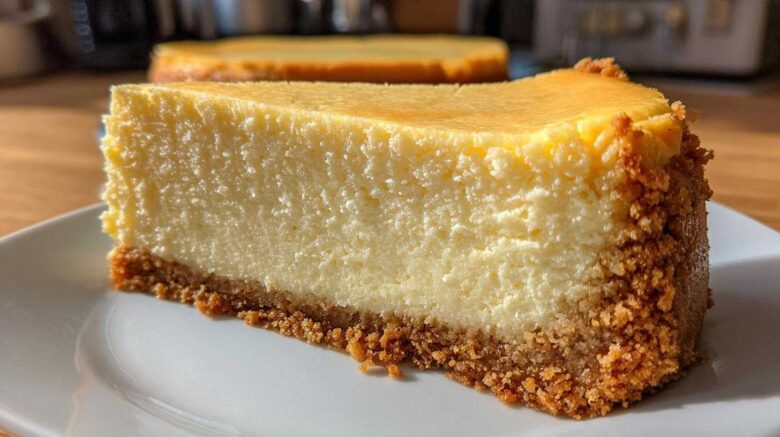
This recipe is one of those precious memories. It’s the taste of New York.
We spent years perfecting this classic New York Cheesecake.
It has to be dense. It must be perfectly creamy.
Richard has the palate; I have the pen to write it down.
This dessert is more than just a sweet treat.
It’s a journey back to a busy city corner.
We want you to recreate this feeling too.
Follow our steps closely, my friends.
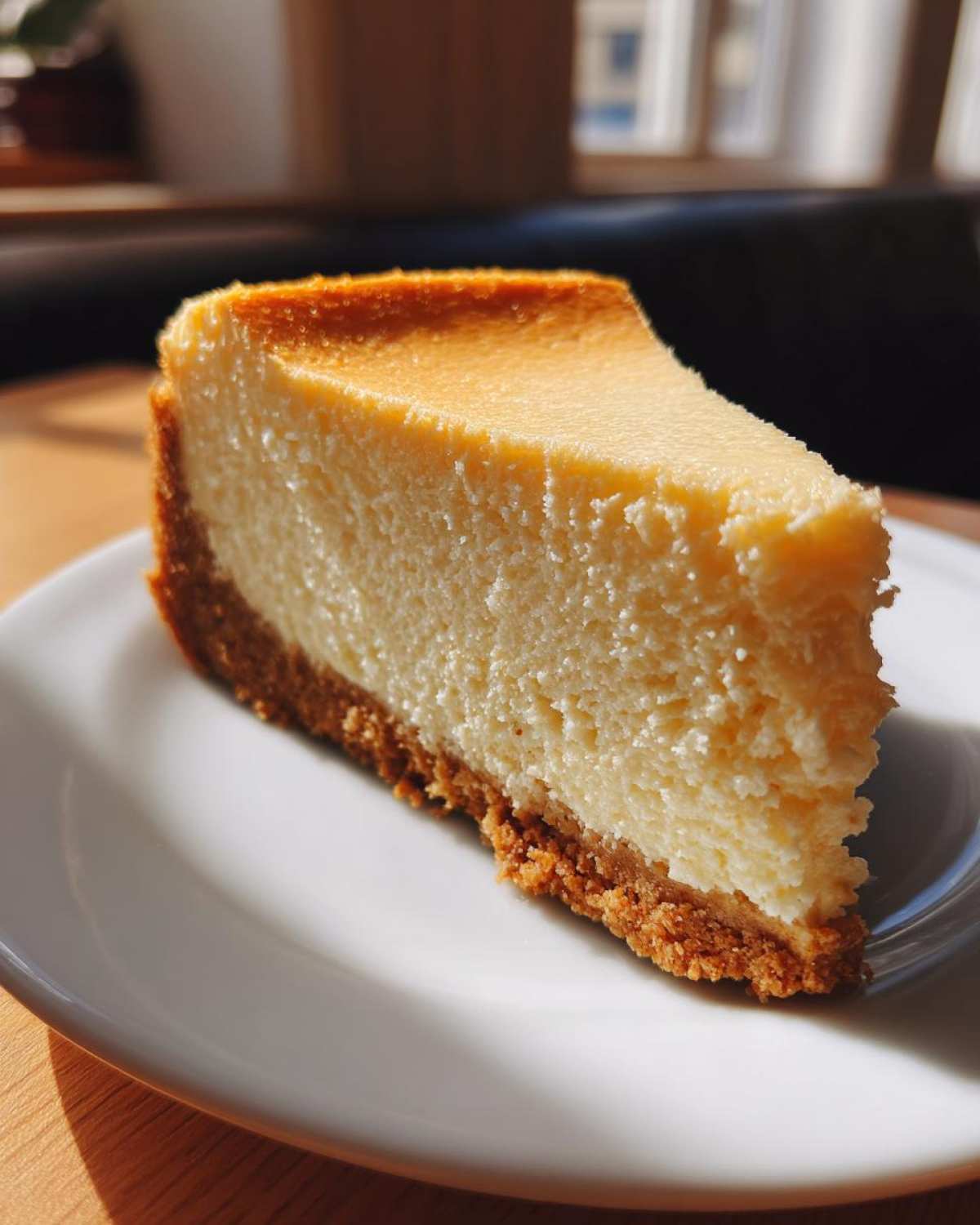
We promise you’ll capture that iconic, tall texture.
This is our legacy, served up on a plate for you.
The Secrets to Perfect New York Cheesecake
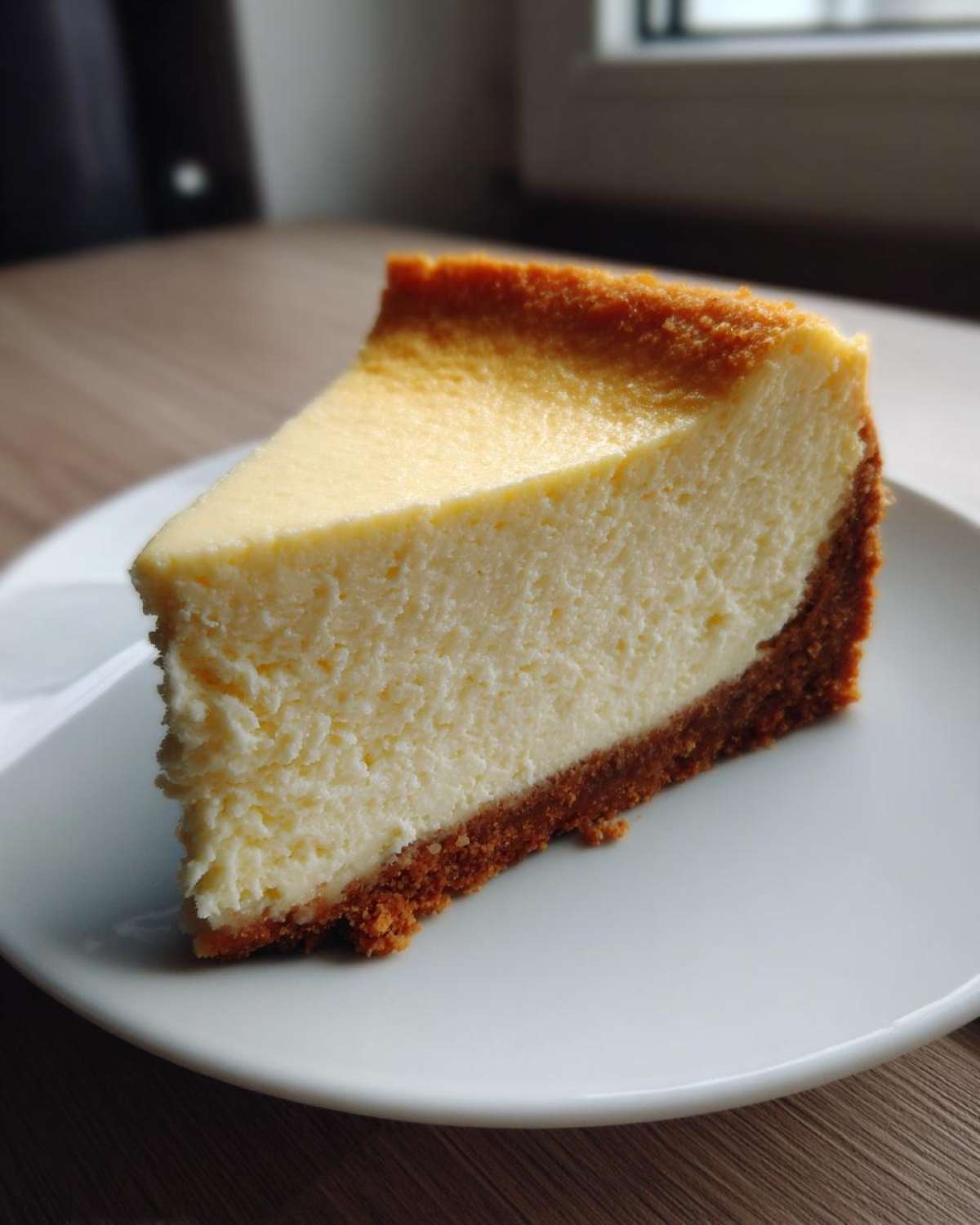
Getting that signature dense cheesecake texture is tricky.
Many recipes end up too light or airy.
Richard always says the secret lies in the dairy.
We use full-fat cream cheese and sour cream.
These fats build the rich, heavy body of a true New York Cheesecake.
It’s about restraint during mixing, too.
We learned that lesson the hard way, believe me.
Equipment Needed for Your New York Cheesecake
You need the right tools for success.
Grab your 9-inch springform pan first.
You must have heavy-duty aluminum foil.
An electric mixer is very helpful here.
A large roasting pan is essential for the water bath.
Gather Your Ingredients for New York Cheesecake
The quality of ingredients truly matters here.
We need specific things for this classic New York Cheesecake.
Temperature is the biggest factor, honestly.
Soft, room-temperature components create that smooth batter.
Cold ingredients cause lumps in your final product.
Let’s list exactly what you need for this masterpiece.
- Graham cracker crumbs, one and a half cups.
- Granulated sugar, we need two portions.
- Unsalted butter, melted, six tablespoons total.
- Full-fat cream cheese, three eight-ounce packages.
- All-purpose flour, just a quarter cup.
- Vanilla extract, one teaspoon provides warmth.
- Salt, just a small quarter teaspoon.
- Sour cream, one full cup for tang.
- Four large eggs, they must be room temperature.
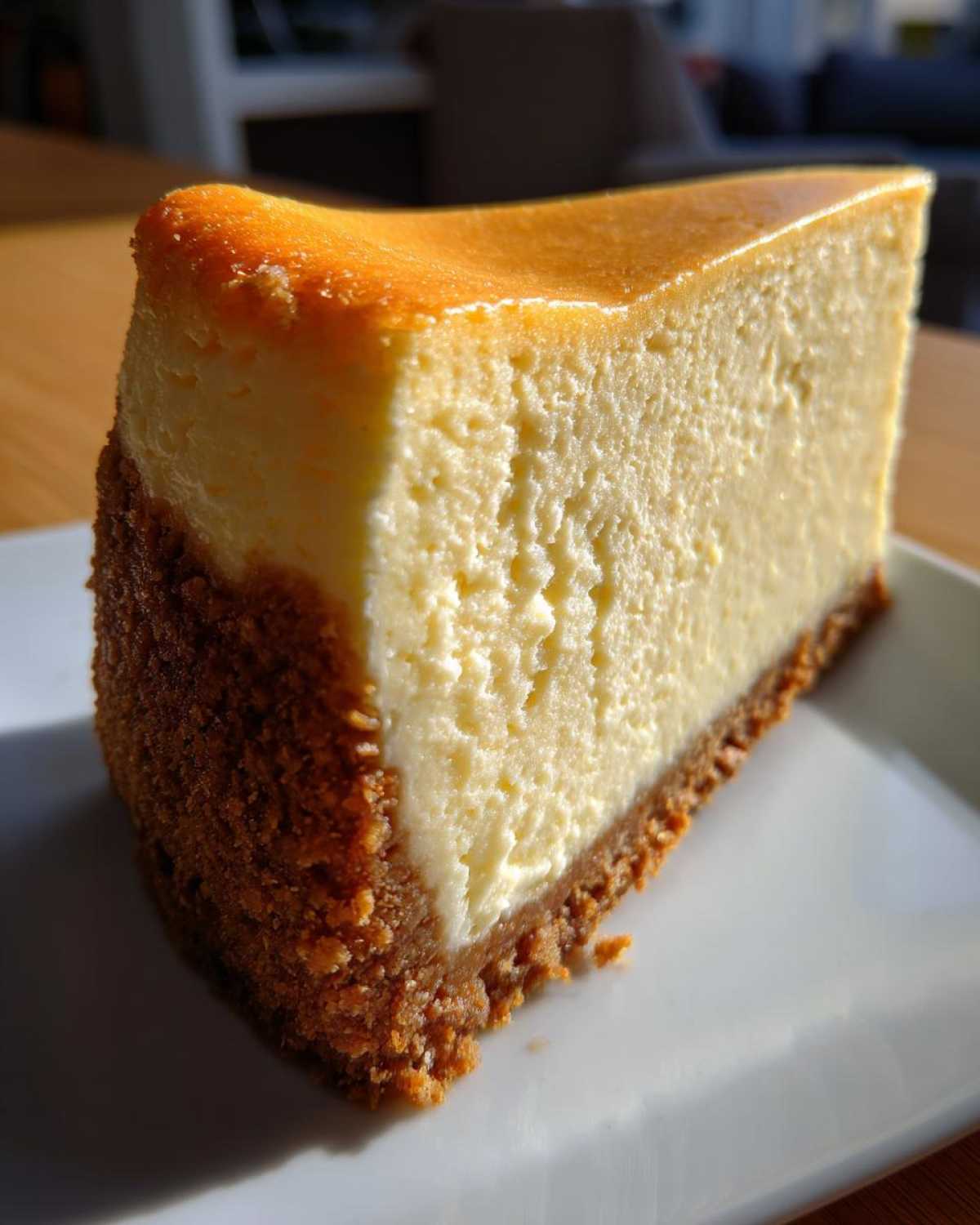
Ingredient Clarity and Preparation
Let’s talk prep before we even turn on the oven.
Your cream cheese must be truly soft.
It should yield easily to gentle pressure.
The sour cream and eggs need time too.
Wrap your springform pan very tightly with heavy-duty foil.
This foil is your shield against the water bath.
Press the crust mixture down firmly and evenly.
A tight base supports the rich filling later.
Step-by-Step Instructions: Crafting Your New York Cheesecake
Now we get to the fun part, assembling this beauty.
We are building the perfect New York Cheesecake.
Take your time with each step I outline here.
Precision really pays off in the end, trust me.
Preparing the Crust and Initial Bake
First, preheat your oven to 350 degrees Fahrenheit.
Remember that foil-wrapped pan we prepared?
Mix those crumbs, the quarter cup of sugar, and the melted butter well.
Press this mixture firmly on the bottom of the pan.
Bake this crust for exactly ten minutes.
Let it cool a little bit now.
Next, drop your oven temperature down to 325 degrees.
Mixing the Signature Creamy Filling
In a big bowl, start beating that softened cream cheese.
You want it completely smooth before anything else.
Scrape down the sides of the bowl often.
Add the larger sugar amount, flour, vanilla, and salt slowly.
Mix this on low speed until it just blends in.
Do not overmix the batter at this stage.
Beat in the room-temperature sour cream next.
Add the eggs one by one only.
Stop mixing as soon as the last egg disappears.
Air is the enemy of a smooth texture.
Pour this lovely batter over your cooled crust.
The Critical Water Bath Technique for New York Cheesecake
This water bath is non-negotiable for this dessert.
Place the foil-wrapped pan inside a larger roasting pan.
Carefully pour hot water into the big pan.
The water needs to reach halfway up the small pan’s sides.
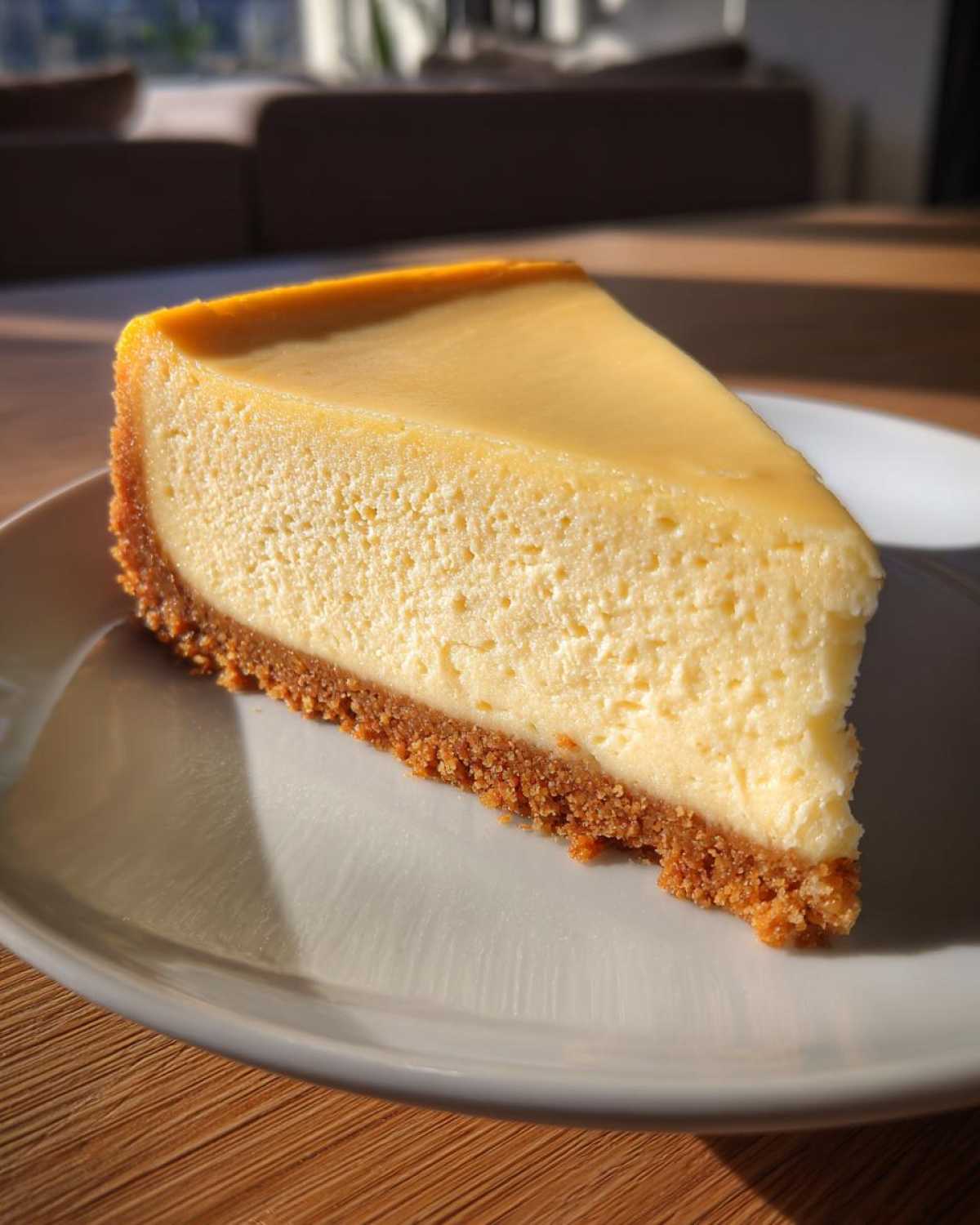
This bath keeps the New York Cheesecake moist inside.
It helps achieve that dense, creamy texture we want.
It also stops those dreaded surface cracks.
Cooling Process for a Crack-Free Result
Bake for sixty to seventy-five minutes total.
The edges should look firm when done.
The very center should still wiggle slightly.
Turn the oven off completely when time is up.
Prop the oven door open just a little bit.
Let the cheesecake cool slowly inside the oven for one whole hour.
This gradual temperature change is key.
Finally, remove it from the water bath to cool fully on a rack.
Tips for Unforgettable New York Cheesecake Success
We want your dessert to shine brightly.
Remember my note about room temperature ingredients?
This really makes the difference, I promise you.
Cold cream cheese fights the mixer.
It leads to a lumpy, uneven batter texture.
When adding eggs, mix just until combined.
Do not scrape the sides after eggs go in.
This keeps extra air out of your New York Cheesecake.
Air causes it to rise too fast and then fall.
A dense result means low and slow handling.
The water bath supports this gentle cooking.
Follow these small steps for big rewards.
Storing and Serving Your Classic Cheesecake
Patience is the final, hardest step here.
You must chill this dessert thoroughly.
Cover your classic cheesecake lightly first.
Refrigerate it for a minimum of six hours.
Overnight chilling yields the best texture.
It firms up beautifully when cold.
Serve slices straight from the refrigerator.
Frequently Asked Questions About Making New York Cheesecake
Do I really need a water bath for this recipe?
Yes, you absolutely do.
The water bath provides gentle, humid heat.
It’s the best defense against cracks.
It helps create that required dense cheesecake structure.
Why did my batter look lumpy even with soft cheese?
Check your mixing speed.
If you beat the cream cheese too fast initially, it can seize up.
Also, ensure your sour cream and eggs were warm enough.
Can I use something other than a graham cracker crust?
You can, but it won’t be the classic version.
The graham cracker crust offers the right buttery crunch.
It balances the richness of the filling perfectly.
How do I know when my cheesecake is actually done baking?
It’s done when the edges are set.
The center two inches should still wobble slightly.
It keeps cooking as it cools down slowly.
Share Your Delish Diarist Creation
Did you capture that perfect dense texture?
Tell Richard and me how it went.
Share your memories inspired by this taste.
We love hearing from our readers.
PrintPerfect New York Cheesecake: 1 Secret Tip
Create the iconic, dense, and creamy New York–style cheesecake with a classic graham cracker crust. Follow these steps for that perfect, tall, and smooth texture you remember.
- Prep Time: 30 minutes
- Cook Time: 75 minutes
- Total Time: 7 hours 45 minutes
- Yield: 12 servings
- Category: Dessert
- Method: Baking (Water Bath)
- Cuisine: American
- Diet: Vegetarian
Ingredients
- 1 1/2 cups graham cracker crumbs
- 1/4 cup granulated sugar (for crust)
- 6 tablespoons unsalted butter, melted
- 3 (8 ounce) packages full-fat cream cheese, softened to room temperature
- 1 1/2 cups granulated sugar (for filling)
- 1/4 cup all-purpose flour
- 1 teaspoon vanilla extract
- 1/4 teaspoon salt
- 1 cup sour cream, room temperature
- 4 large eggs, room temperature
Instructions
- Preheat your oven to 350°F (175°C). Wrap the outside of a 9-inch springform pan tightly with heavy-duty foil, creating a water bath barrier.
- Prepare the crust: Mix graham cracker crumbs, 1/4 cup sugar, and melted butter. Press the mixture firmly and evenly onto the bottom of the prepared springform pan.
- Bake the crust for 10 minutes. Remove from the oven and let it cool slightly while you prepare the filling. Reduce the oven temperature to 325°F (160°C).
- Prepare the filling: In a large bowl, beat the softened cream cheese with an electric mixer until completely smooth. Scrape down the sides frequently.
- Gradually add the 1 1/2 cups sugar, flour, vanilla, and salt. Beat on low speed until just combined. Do not overmix.
- Beat in the sour cream until smooth.
- Add the eggs one at a time, beating only until each egg is incorporated. Stop mixing as soon as the last egg is blended in. Overmixing adds air, which causes cracks.
- Pour the batter over the cooled crust. Place the springform pan inside a larger roasting pan.
- Carefully pour hot water into the roasting pan until it reaches halfway up the sides of the springform pan. This water bath keeps the cheesecake moist and prevents cracking.
- Bake for 60 to 75 minutes. The edges should look set, but the center 2 inches should still have a slight jiggle.
- Turn off the oven. Prop the oven door open slightly (use a wooden spoon). Let the cheesecake cool inside the oven for 1 hour. This slow cooling prevents drastic temperature change.
- Remove the cheesecake from the water bath and the foil. Let it cool completely on a wire rack at room temperature.
- Chill the cheesecake, covered, in the refrigerator for at least 6 hours, or preferably overnight, before serving.
Notes
- Ensure all dairy ingredients (cream cheese, sour cream, eggs) are truly at room temperature for the smoothest batter.
- Do not scrape the sides of the bowl after adding the eggs; only mix until combined.
- The water bath is key to achieving that dense, crack-free texture Eleanor and Richard strive for.
Nutrition
- Serving Size: 1 slice
- Calories: 450
- Sugar: 35g
- Sodium: 300mg
- Fat: 30g
- Saturated Fat: 18g
- Unsaturated Fat: 12g
- Trans Fat: 0.5g
- Carbohydrates: 38g
- Fiber: 1g
- Protein: 8g
- Cholesterol: 130mg