

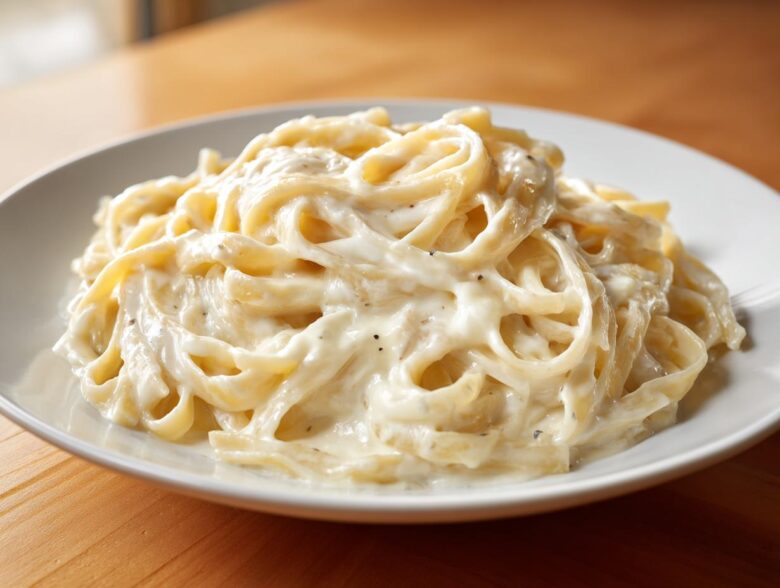
Oh, pasta night. It’s supposed to be the ultimate comfort food, right? But so often, that dreamy, luxurious sauce ends up grainy or somehow watery the second you look away. I’ve been there, my friend, scraping lumpy cheese clumps off the bottom of the pan more times than I care to admit! I nearly gave up making sauces from scratch entirely. But I finally cracked the code. This isn’t just *another* recipe; this is the one that gives you that truly rich, velvety, lump-free Creamy Alfredo Sauce every single time. We’re ditching the flour and all the fuss. Get ready to make the Best Alfredo Sauce Recipe you’ve ever tried, perfect for tossing with your favorite fettuccine or smothering over grilled chicken. Trust me, mastering this simple stovetop method changed my weeknight dinners forever.
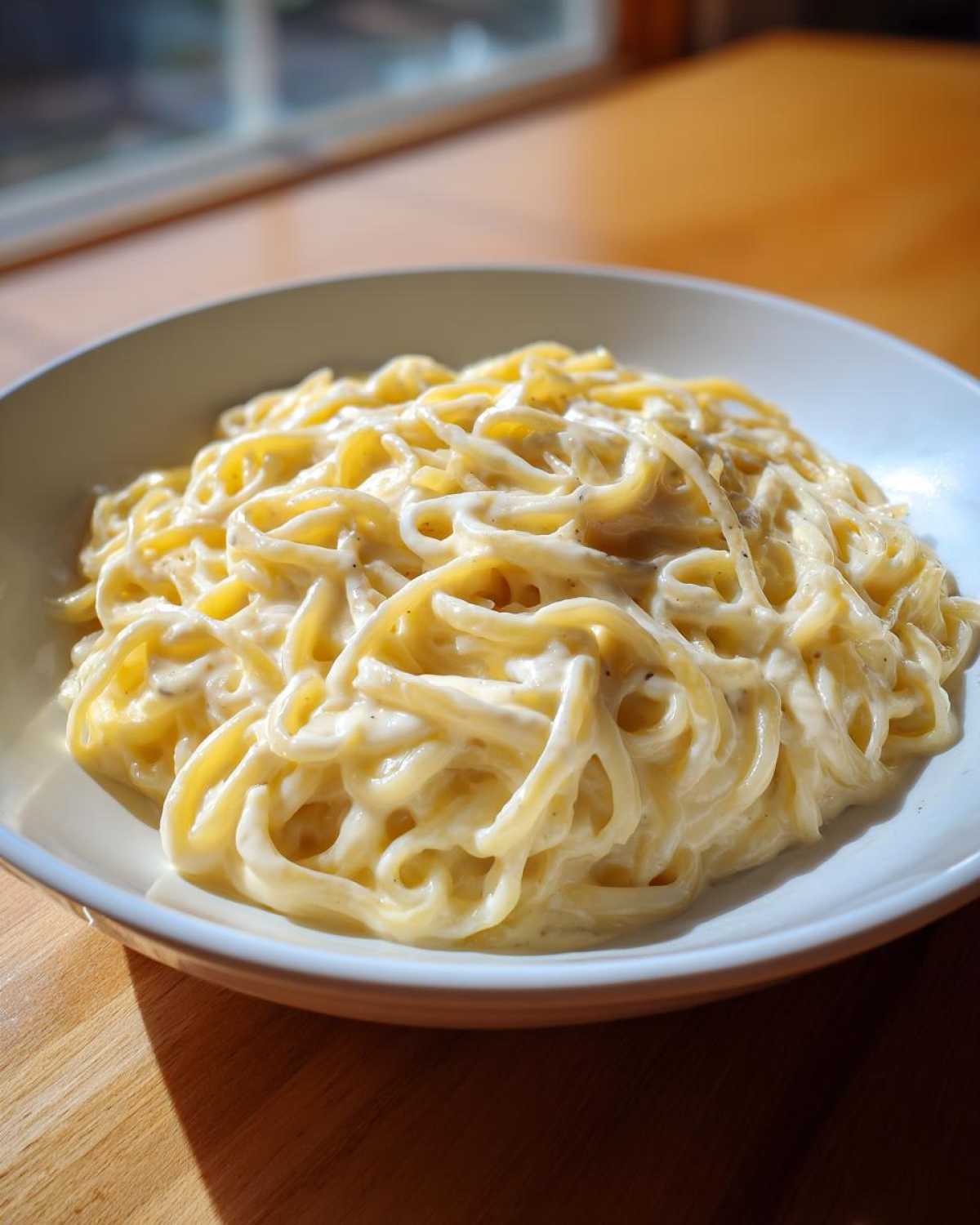
Why This Is the Best Alfredo Sauce Recipe for Rich Flavor
What makes this the Best Alfredo Sauce Recipe? It’s all about simplicity and respecting the ingredients, honestly. I spent ages fussing with flour or cornstarch, trying to thicken things up, but that’s where everything went wrong! We are skipping the flour entirely here, which keeps the texture light and eliminates that chalky aftertaste so many recipes have. Instead, we rely on the powerhouse trio: butter, heavy cream, and the real star, freshly grated Parmesan.
When you use authentic cheese that hasn’t been coated in anti-caking agents, you create a natural emulsion. That’s the trick! You get that luxurious mouthfeel without dulling the sharp, salty flavor Parm is famous for. This is your shortcut to an incredible creamy sauce that tastes like it took hours, not minutes.
Quick Prep and Cook Time for Your Creamy Alfredo Sauce
Seriously, you can whip this up faster than your pasta boils. The prep time is only about 5 minutes—mostly just grating that cheese! Then, the cook time clocks in at maybe 10 minutes total. That means you have an Easy Alfredo Sauce From Scratch ready to go in just 15 minutes total. How great is that for a busy Tuesday?
Gathering Ingredients for Authentic Creamy Alfredo Sauce
I’m going to show you exactly what you need for this sauce, and I promise, it’s not a giant shopping list. We’re sticking to the classics because that’s where the magic lies. The real secret to an amazing texture is what you choose for your hard cheese. Don’t even think about buying that pre-grated stuff in the green can—it’s full of fillers designed to keep it from melting smoothly, which is exactly what causes lumps!
You’ll need four main things, plus seasoning. Grab a block of real Parmesan (we’re packing one cup, and you must grate it yourself!) and a good quality, unsalted butter. The heavy cream is non-negotiable if you want that decadent, silky texture. If you’re making my little garlic boost, grab one clove, but it’s totally optional if you’re in a massive rush. Keep everything measured out and ready to go because once you start heating this, things move quickly!
Ingredient Notes and Substitutions for Your Rich Parmesan Cream Sauce
Let’s talk cheese again, because this is vital for a Rich Parmesan Cream Sauce. If you grate the cheese yourself—and I mean *really* grate it, not just coarsely chop it—it melts cleanly into the cream and butter emulsion. Anti-caking agents, like cellulose, stop that beautiful stringy melt we all dream about. So, grate it fine! If you’re worried about the sauce being too heavy, you can try substituting half the heavy cream with whole milk, but honestly, the richness comes from the cream, so try to use it all if you can!
Also, remember the butter should be unsalted. That way, you control the salt level completely with the added salt later on. If you happen to have some leftover pasta water from boiling your noodles, save a cup! That starchy water is liquid gold for thin sauces. Before you head over to make a big Italian meal, just make sure that Parmesan is fresh and ready to go!
Step-by-Step Instructions for the Perfect Creamy Alfredo Sauce
Alright, this is where most home cooks get nervous, but I promise you, following these exact steps means success. We aren’t whipping up a rustic, traditional Italian sauce that’s just butter and Parm; we are making the Americanized, utterly decadent *creamy* version that everyone loves. The whole thing comes together unbelievably fast, so read these instructions, get your pot warm, and let’s go! Remember, low and slow heat is your best friend when dealing with dairy and cheese. My first few tries ended in disaster until I learned the absolute secret to keeping it silky smooth.
First, melt your butter over medium-low heat in a decent-sized saucepan. If you’re adding garlic for a little extra punch—which I highly recommend for a Garlic Alfredo Sauce Recipe—toss it in now, but be careful! Garlic burns faster than almost anything, so cook it for just 30 seconds until you can really smell it. Then, pour in your heavy cream. Let that come up to a gentle simmer, stirring occasionally. It should just bubble slightly around the edges.
Now, listen closely—this is the absolutely critical part if you want a smooth texture! You *must* take the saucepan completely off the heat before you add the cheese. If the milk mixture is boiling, the Parmesan will seize up and turn grainy instantly. Once it’s off the heat, start whisking in that freshly grated cheese gradually, a little handful at a time. Keep whisking constantly until it’s all incorporated and perfectly smooth. That’s how you achieve that gorgeous, luscious coating! If you want even more sauce ideas after this, check out how I made that amazing creamy Boursin chicken sauce!
Tips for How To Make Alfredo Sauce Thick and Smooth
If you followed the instructions, your sauce should be thickening nicely as the cheese melts. The consistency should be just right for coating your pasta. But life happens, right? If you find your Homemade Creamy Pasta Sauce is looking a little too thin once you stir it for a minute, don’t panic! This is where that reserved pasta water comes in handy. Take a tablespoon or two of that starchy, salty water you used to boil your noodles and whisk it in slowly. That starch helps bind everything beautifully. If it’s somehow too thick—maybe you added too much cheese—just add a splash of warm cream until it loosens up. Keep that heat off or on the absolute lowest setting while you adjust; boiling after the cheese is added ruins the texture for this Simple Cream Sauce Basics recipe!
Troubleshooting Common Creamy Alfredo Sauce Issues
Okay, let’s talk about when things go sideways, because they will, even for me sometimes! The most common fear people have when making a Creamy Alfredo Sauce is that it will break, meaning the fat separates from the liquid, leaving you with oily puddles in your pasta. If this happens, there are usually two culprits: the heat was too high, or you added the cheese too fast.
If your sauce breaks, immediately pull the pan off the burner. Whisk in a tiny splash—maybe a teaspoon—of cold heavy cream or even cold water. Whisk vigorously! Sometimes that shock of cold liquid can bring the emulsion back together. You have to work quickly, though. If the sauce is just separating a tiny bit, whisking in a tablespoon of that reserved starchy pasta water often fixes everything right up. That starchy water is seriously the magic potion for so many thickeners!
What about graininess? I mentioned this already, but it bears repeating—that happens when you add cold cheese to hot liquid, or if you boil it after the cheese is in. If you end up with a slightly grainy texture, don’t throw it out! Move the sauce to a slightly cooler spot and whisk like crazy for a minute or two. Sometimes the temperature adjusts just enough for the cheese to fully melt. If it absolutely won’t smooth out, you can try filtering it through a fine-mesh sieve, though you’ll lose some volume. If you’re looking for other silky sauce magic, you should check out my recipe for creamy spinach chicken pasta!
Variations on Your Homemade Creamy Pasta Sauce
Now that you’ve mastered the basic, incredible Creamy Alfredo Sauce, we get to the fun part: making it your own! Once you learn this core technique—the butter, the cream, the slow whisking of the cheese—the sky is the limit for customizing your Homemade Creamy Pasta Sauce.
My favorite way to riff on this is by boosting the aromatics. If you didn’t add fresh garlic earlier, you can skip the quick sauté and instead stir in a teaspoon of roasted garlic purée right at the end with the seasoning. Wow, that adds instant depth! You could also whisk in some fresh herbs like thyme or a big pinch of my favorite Italian seasoning blend when you add the salt and pepper.
Protein additions are obviously huge, right? This sauce is the perfect foundation for so many dishes. Toss in some perfectly cooked chicken—I use my recipe for juicy garlic butter chicken thighs all the time. Or, if you’re feeling something seafood-adjacent, this sauce sings with shrimp. My trick for shrimp is to quickly sauté them with lemon and garlic first, and then toss everything together, letting the sauce coat the cooked seafood. You have to check out my method for lemon garlic shrimp pasta; the flavor profile works amazingly well with this sauce base!
If you want to add a little kick, a tiny pinch of red pepper flakes stirred in with the butter works miracles. Or maybe you want something tangier? Stir in a tablespoon of lemon juice right at the very end before serving—it cuts through the richness beautifully. See? The base recipe is so solid, you can truly create endless versions of your favorite comfort pasta sauce!
Serving Suggestions for Classic Fettuccine Alfredo
So, you’ve got this incredibly rich, velvety, beautiful Creamy Alfredo Sauce in your pan. The only question left is: what are we piling it onto? The absolute classic, the pairing that simply cannot be beat, is fresh fettuccine. I always tell people, the wider the noodle, the better it holds that luscious coating! You want to make sure your pasta is cooked perfectly al dente, and remember to save that cooking water we talked about earlier!
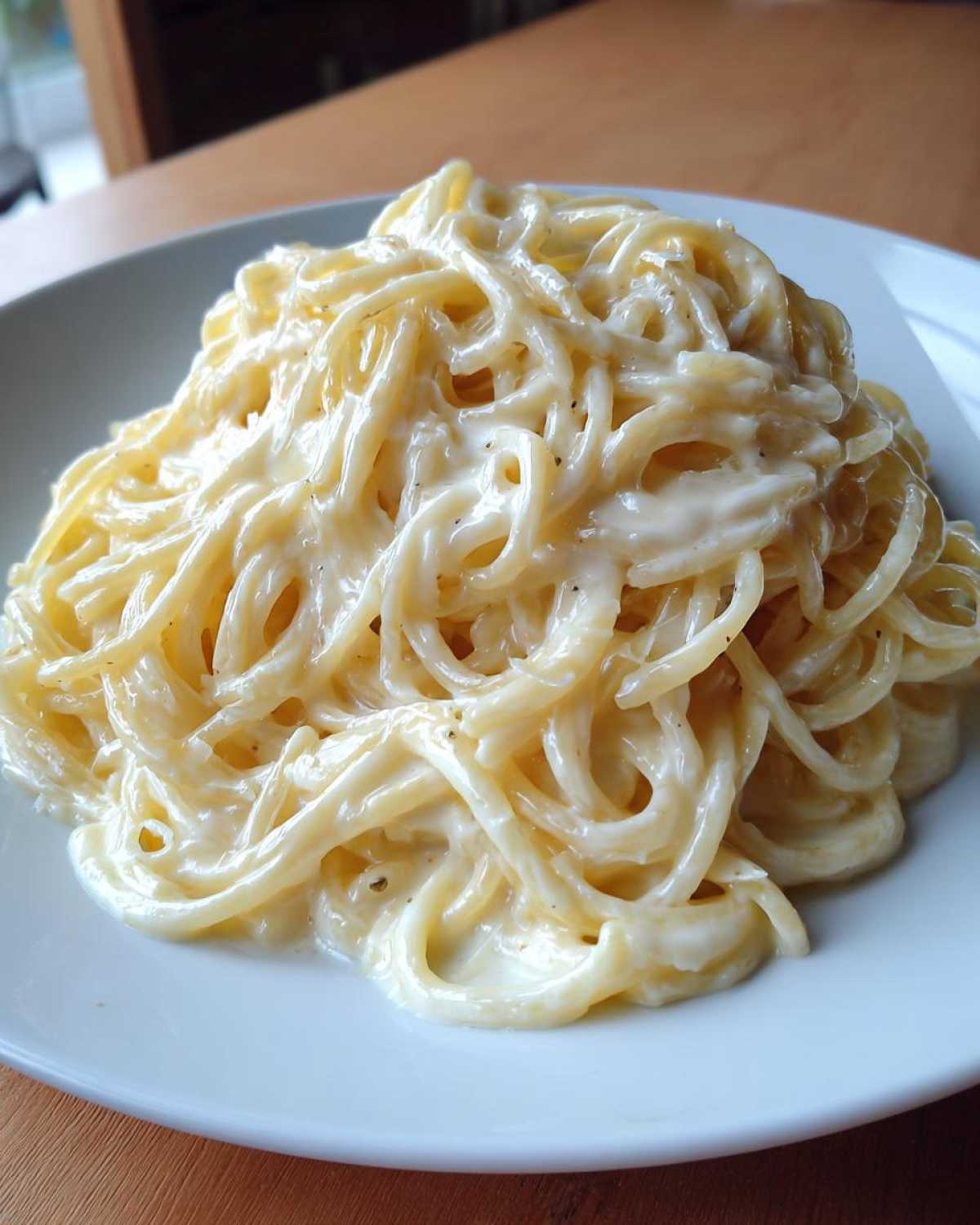
You absolutely have to check out my recipe for the Classic Fettuccine Alfredo because the way I cook the pasta slightly differently really helps the sauce cling better. Once the pasta is drained (but still dripping wet!), immediately transfer it to the pan with the sauce. Don’t let the pasta cool down at all!
If you’ve made a double batch of this Stovetop Cream Sauce for Pasta, it’s fantastic for smothering grilled proteins. Think about topping a perfectly seared chicken breast or some quick-sautéed shrimp with a generous ladleful. It turns a simple weeknight protein into a restaurant-quality dish instantly. And honestly? You need something crusty on the side. Grab a baguette and toast it lightly. You want to be able to drag that bread through the last bit of sauce left in your bowl—that’s non-negotiable pasta etiquette, if you ask me!
For balance, since this sauce is so rich, I always serve it alongside something bright and fresh. A simple side salad dressed with a sharp balsamic vinaigrette is perfect. The acidity cuts through all that cream and makes you feel slightly less guilty about eating an entire bowl of pasta! Sometimes I’ll even toss in some quickly steamed broccoli florets right into the finished dish for a pop of color and a little bit of green.
Storage and Reheating Instructions for Leftover Creamy Alfredo Sauce
I know what you’re thinking: Is it even possible to have leftover Alfredo sauce? If you manage it, or if you’re smartly planning ahead—because yes, you absolutely can use this to Make Ahead Alfredo components—you need to know how to store it properly!
Sauces based on heavy cream and cheese can sometimes get a little… stubborn when cold. The key is quick chilling and low-and-slow reheating. For storage, transfer any leftover sauce into a totally airtight container. The quicker it chills, the better it stays. It should last beautifully in your fridge for about three or four days, no problem.
When you’re ready for round two, don’t nuke it on high heat, please! That heat gradient cooks the sauce unevenly and is a guaranteed path back to graininess. Instead, transfer the chilled sauce to a small saucepan over the lowest heat setting you have, stirring constantly. As it warms up, you’ll notice it thickens up again—this is normal because the fat cools and solidifies.
If it gets too stiff or pasty (which it likely will), use one of my favorite tricks from the recipe notes: thin it out with a splash of liquid! You can use reserved pasta water if you have any, or just grab a tablespoon of fresh heavy cream or whole milk. Whisk it gently until it smooths out and coats your pasta beautifully again. It reheats perfectly well, making it great for those nights when you just want to boil some noodles and not make a whole new roux!
Oh, and freezing? Skip it. Dairy-heavy sauces like this don’t freeze well; they tend to separate badly when thawed, even with gentle reheating. Stick to the fridge for a few days, and you’ll be golden! If you’re looking for other sauces that take well to being prepared ahead of time, you should definitely check out my recipe for one-pot creamy sausage gnocchi!
Frequently Asked Questions About Making Creamy Alfredo Sauce
I get so many messages whenever I share this recipe asking about little tweaks or potential disasters. It’s totally normal! You definitely want to make sure your Rich Parmesan Cream Sauce comes out perfectly every time. Here are some of the biggest questions I hear regarding this Easy Alfredo Sauce From Scratch.
Can I make this Alfredo Sauce without Flour?
YES! That’s one of the best things about this recipe! We are making an authentic, dairy-based emulsion. This means we skip the flour or arrowroot powder entirely. The thickness comes purely from the reaction between the melted butter, the heavy cream, and the high-quality, freshly grated Parmesan cheese. If you follow the step to take the pan off the heat before adding the cheese, you don’t need any starchy thickener at all. It’s naturally a flour-free sauce!
Can I use milk instead of heavy cream?
Listen, you *can*, but I would strongly advise against it if you’re looking for that classic, ultra-rich texture. Milk just doesn’t have the fat content needed to create that thick, velvety coating we’re aiming for. If you use milk, your sauce will be extremely thin, and it’s much more likely to break or separate later on. If you absolutely must lighten it up, try using half milk and half cream, but for the ultimate Creamy Alfredo Sauce, heavy cream is the way to go!
What cheese is best for the smoothest sauce?
It really has to be authentic Parmigiano-Reggiano or a good domestic Parmesan that you grate yourself right before cooking. Store-bought pre-shredded cheese is coated in potato starch or cellulose to prevent clumping in the bag, but those very particles will make your sauce grainy when you try to melt it into the cream. You want that cheese to melt into a smooth liquid, not stay gritty! It truly makes or breaks this Simple Cream Sauce Basics recipe.
Can I freeze this sauce later?
I always steer people away from freezing this particular sauce. Because it’s such an emulsion relying heavily on the fat content of the cream and butter, freezing and thawing tends to mess up the texture completely. When you reheat it, it often separates—you’ll get an oily layer floating on top of the thinned-out dairy base. If you want to plan ahead, it’s much better to use the leftovers within 3 or 4 days in the fridge. If you’re looking for something great to freeze, maybe try making a big batch of my creamy ranch chicken instead!
Nutritional Snapshot of This Dairy Based Pasta Sauce Recipe
Okay, let’s talk turkey for a minute, because while this Creamy Alfredo Sauce is absolutely divine comfort food, it is rich! When you’re loading up on butter and heavy cream, you know the nutrition profile is going to lean toward the decadent side. I always recommend pairing this with a big, vibrant salad to make the meal feel a little more balanced, like the one I use when I make my creamy pesto chicken pasta.
But for transparency, because I think it’s important for us home chefs to know exactly what we’re eating, here is the general estimate based on the recipe details. Keep in mind this is for one quarter-cup serving size, not the total batch—it’s easy to eat way more than that when it tastes this good!
- Serving Size: 1/4 cup
- Calories: About 350
- Fat: 35g (Yikes! But that’s the butter and cream doing their job!)
- Saturated Fat: 21g
- Carbohydrates: 3g
- Protein: 10g
You can see here that this is definitely a luxurious, high-fat, low-carb sauce, which is typical for a true, dairy-based pasta sauce relying on real butter and cream. There’s almost no sugar in there unless you count the trace amounts from the cream, which is nice! These numbers are just an educated guess based on standard ingredient breakdowns, so if you’re counting macros strictly, you might want to use a dedicated calculator, but this gives you a good ballpark idea of just how rich this Dairy Based Pasta Sauce Recipe truly is!
PrintClassic Creamy Alfredo Sauce
A straightforward recipe for a rich, smooth Alfredo sauce made with butter, heavy cream, and Parmesan cheese.
- Prep Time: 5 min
- Cook Time: 10 min
- Total Time: 15 min
- Yield: About 1.5 cups sauce (serves 4)
- Category: Sauce
- Method: Stovetop
- Cuisine: Italian-American
- Diet: Vegetarian
Ingredients
- 4 tablespoons unsalted butter
- 1 cup heavy cream
- 1 cup freshly grated Parmesan cheese, packed
- 1/4 teaspoon salt, or to taste
- 1/8 teaspoon black pepper, freshly ground
- Optional: 1 clove garlic, minced
Instructions
- Melt the butter in a medium saucepan over medium-low heat. If using garlic, add it now and cook for 30 seconds until fragrant. Do not let the garlic brown.
- Pour in the heavy cream. Bring the mixture to a gentle simmer, stirring occasionally. Reduce the heat to low.
- Remove the saucepan from the heat. This step is important to prevent the cheese from clumping.
- Gradually whisk in the grated Parmesan cheese, a small handful at a time. Whisk continuously until the cheese is fully melted and the sauce is smooth.
- Return the pan to very low heat if needed, stirring constantly, until the sauce thickens slightly. Do not let the sauce boil after adding the cheese.
- Stir in the salt and pepper. Taste and adjust seasoning as needed.
- Toss immediately with hot, cooked pasta.
Notes
- Use freshly grated Parmesan cheese for the best melting quality and texture. Pre-shredded cheese often contains anti-caking agents that cause graininess.
- If the sauce seems too thick, add a tablespoon or two of the reserved pasta cooking water to thin it to your desired consistency.
- To reheat, warm gently over low heat, stirring frequently. Add a splash of cream or milk if it thickens too much upon reheating.
Nutrition
- Serving Size: 1/4 cup
- Calories: 350
- Sugar: 2
- Sodium: 250
- Fat: 35
- Saturated Fat: 21
- Unsaturated Fat: 14
- Trans Fat: 1
- Carbohydrates: 3
- Fiber: 0
- Protein: 10
- Cholesterol: 110