

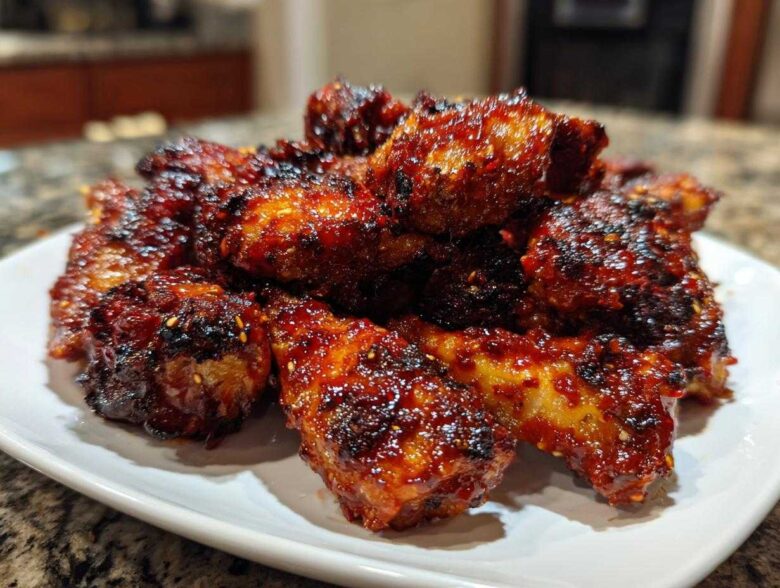
Oh my gosh, I know what you’re thinking: restaurant-quality Korean fried chicken is impossible to replicate at home. It’s too crispy, the glaze always feels sticky instead of shiny—it’s just an art form, right? Wrong! I spent way too much time and probably half a chicken trying to figure out the secrets, and I finally cracked the code. Seriously, you will absolutely scream when you hear the crunch on this. The main trick—which is non-negotiable—is using the double-fry method. Once you master that, your **korean fried chicken** game instantly jumps to professional level. If you love that incredible texture, you should also check out my recipe for buttermilk fried chicken because moisture is everything! Forget takeout menus; we’re making the real, ultra-crispy deal right here tonight!
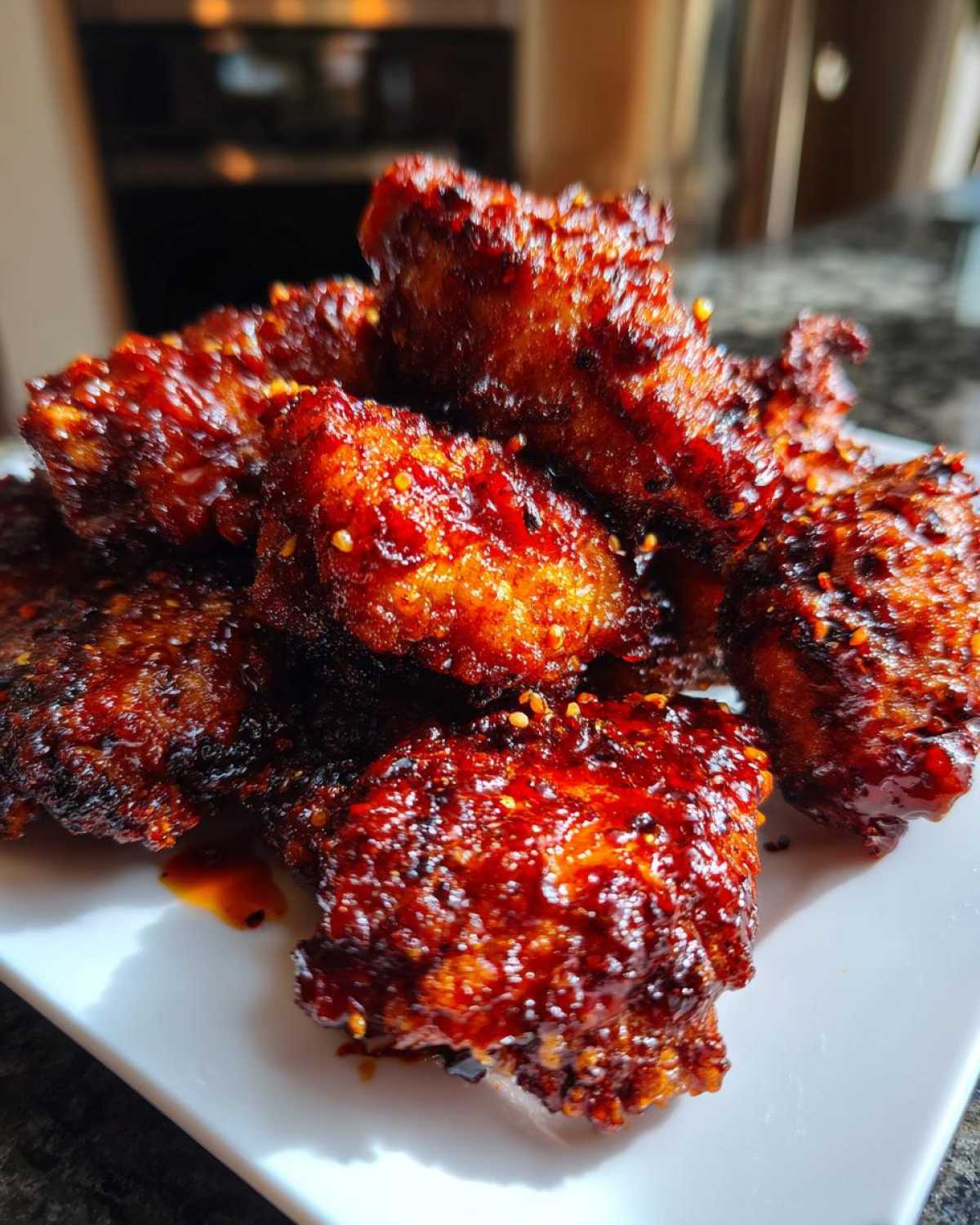
Why This Double-Fried Korean Fried Chicken Recipe Works
I’m telling you, this isn’t just fried chicken; it’s an *experience*. This recipe cuts straight to what you really want: that insane, shatteringly crisp crust the restaurants hide from you. Forget soggy wings! Here’s why this method wins every single time when making **korean fried chicken** at home.
Achieving Ultra Crispy Chicken at Home
The secret sauce isn’t just *in* the sauce, it’s in the process! The double-fry method is absolutely key for that **korean fried chicken** texture—it cooks the meat through the first time and then instantly blasts the exterior crispy on the second go. Plus, we use potato starch in the coating, which creates that signature thin, almost shatter-like crunch, not thick, cakey breading.
Two Essential Korean Chicken Glaze Recipes
Who can choose just one flavor? That’s why this **korean fried chicken recipe** gives you two heavy hitters. You get the classic spicy kick from the Gochujang glaze, which is perfectly balanced, and then there’s the incredibly savory and slightly sweet Soy Garlic version. They coat beautifully right after the second fry, making this perfect for game day or any time you need an appetizer that seriously wows.
Ingredients for the Best Korean Fried Chicken
Okay, getting the prep right is half the battle! You need the right coating ingredients, and you absolutely must have the right chili paste. Don’t skimp here; the quality of that Gochujang makes or breaks the spicy version. We’re keeping things simple but potent so your **korean fried chicken** tastes like it came from a tiny, amazing shop in Seoul. Remember, organization makes this process so much smoother!
Coating and Chicken Prep for Korean Fried Chicken
First things first: grab about 3 pounds of chicken pieces—wings or drumettes are my favorite for snacking. Pat those babies completely dry with paper towels; water is the enemy of crispiness! For the dry mix, you need a cup of potato starch (this is super important!), half a cup of flour, salt, pepper, and a touch of baking powder. Then, whisk in one cup of water—and I mean ice cold water—until you get this thin, slightly lumpy batter. Don’t overwork it, seriously!
Ingredients for the Spicy Gochujang Sauce Chicken Glaze
For that fiery, sticky sweet and spicy chicken coating, gather these items: you’ll need 1/4 cup of authentic Gochujang—that deep red Korean chili paste—plus 3 tablespoons of honey or corn syrup for the shine. Whisk in 2 tablespoons of soy sauce, a nice splash of rice vinegar (about 1 tablespoon), one minced garlic clove, and just a teaspoon of sesame oil to finish. Simmer this until it thickens up a little bit.
Ingredients for the Savory Soy Garlic Chicken Glaze
When you are craving something less spicy but still packed with flavor, this is the one. It’s what I use when making **soy garlic chicken wings**. You’ll need half a cup of soy sauce and a quarter cup of water whisked with a quarter cup of brown sugar. Add in 2 cloves of minced garlic and about a teaspoon of fresh grated ginger. Let this bubble away until it gets thick and glossy—it smells incredible while it reduces!
Step-by-Step Instructions for Double Fried Korean Fried Chicken
Alright, this is where the magic happens, and trust me, temperature is your best friend! We are serious about frying here, so grab that thermometer if you have one. This whole process is designed specifically for that **double fried chicken technique** that yields the crunchiest crust you’ve ever had on **korean fried chicken**. Don’t panic about the two steps; the time spent between frying nets you the juiciest fried chicken recipe ever.
Mixing the Coating and Preparing the Batter
Take that dry coating mixture you made—your potato starch, flour, salt, pepper, and baking powder. Now, slowly whisk in that ice-cold water. Remember what I said about not overmixing? You want a thin batter that looks a little messy, not perfectly smooth. Dip your super-dry chicken pieces in there, shake off the drips, and make sure they get a nice, even coat. That thin layer is what will turn shatteringly crisp later!
The Crucial First Fry for Juicy Fried Chicken Recipe
Heat up about three inches of oil until it hits exactly 325°F (160°C). Seriously, don’t guess! Fry your chicken in batches so you don’t drop the oil temperature too much. Let them cook for about 8 to 10 minutes. They should look pale golden, not deep brown. Pull them out and put them on a wire rack. This is vital: they need to rest for at least 15 minutes. This resting period lets the internal moisture settle before we go in for the big crisp!
Making the Korean Chicken Glaze Recipes
While that first batch is resting, get your glazes going. For the spicy Gochujang, just toss all the sauce ingredients into a little saucepan and simmer it on medium heat for maybe 3 minutes until it gets a touch thicker so it clings nicely. If you’re doing the Soy Garlic, do the same thing with those ingredients, but let it bubble for about 5 minutes until it’s syrupy. You’ll definitely want to check out my tips over at sticky honey soy chicken glaze timing if you love that soy flavor profile! Make sure to keep the sauces warm.
The Second Fry for Ultra Crispy Chicken Wings
It’s time for the heat boost! Crank that oil way up until it hits 375°F (190°C). Now, you’re only frying the already-cooked chicken for 2 to 3 quick minutes. This is the step that creates that incredible, golden-brown shell—the signature crunch of **korean fried chicken**. Pull them out immediately, drain them for just a second, and toss them straight away into your warm glaze. That quick toss is what gives you that perfect, sticky coating!
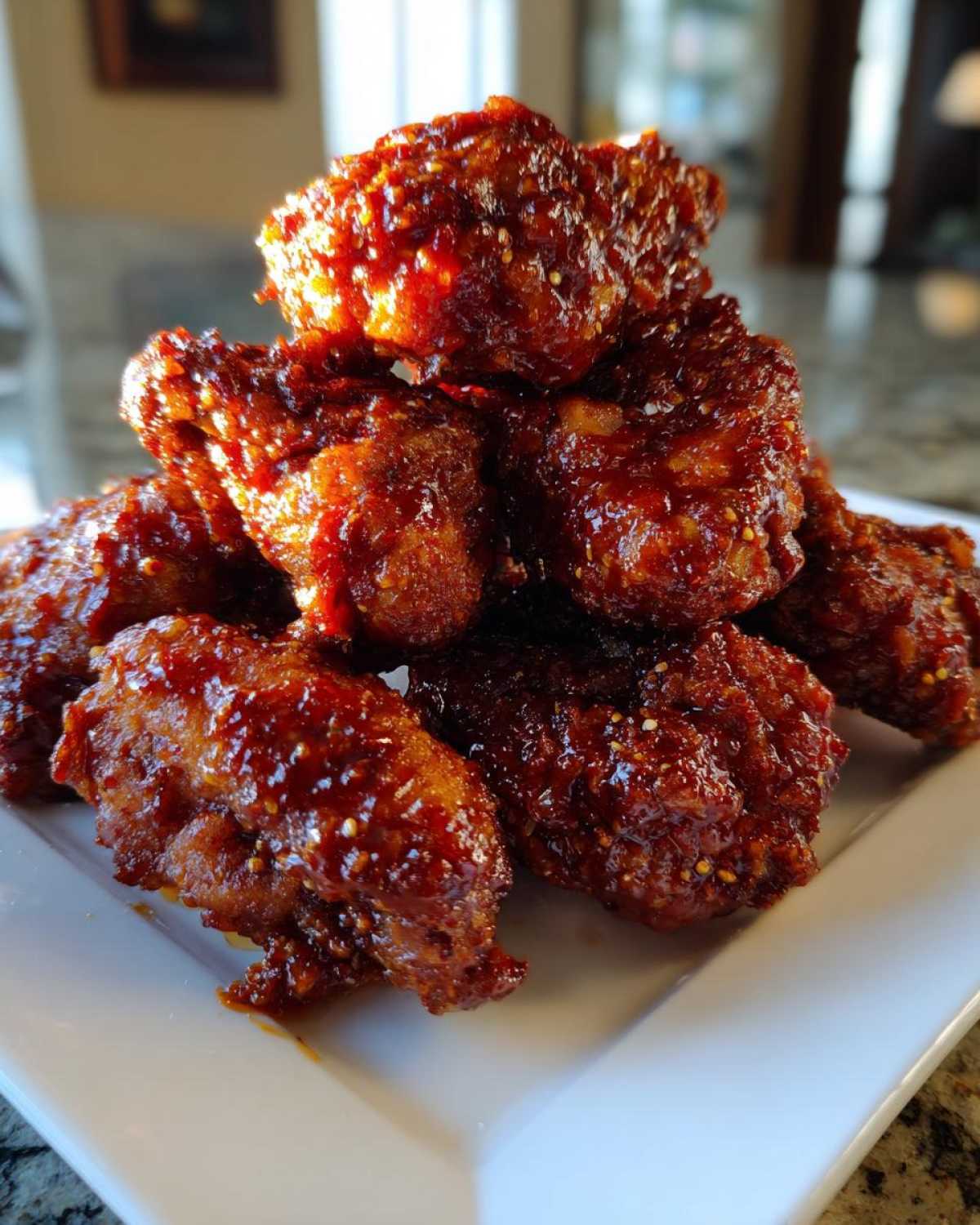
Expert Tips for Restaurant Style Fried Chicken Success
I’ve learned a few things over the years that take this **korean fried chicken** from “pretty good” to “get the recipe or else!” These tiny tweaks really make a difference, especially when you’re aiming for that crunchy crust that holds up to the sauce. Think of these as the little secrets I picked up that really built my confidence in frying!
Why Potato Starch is Key for Crispy Fried Chicken at Home
Seriously, if you want **crispy fried chicken at home** that rivals what you get in a restaurant, you have to use potato starch. Flour cooks up heavier and tends to absorb oil faster, which leads to a denser coating. Potato starch, though, mixes with the water to create this super light coating that crisps up thin and airy when it hits the hot oil. I notice that if I use all-purpose flour alone for my homemade Korean street food, it just doesn’t have the same structural integrity when dunked in the glaze later on. Don’t worry if you only have cornstarch; it’s the closest, but potato starch really gives you that signature shattering crunch!
Temperature Management for Perfect Korean Fried Chicken
This is the single most common place people mess up the **double fried chicken technique**. You MUST hit those two separate temperatures exactly where I laid them out. The first fry at 325°F (160°C) is gentle; it’s getting the meat cooked reliably through without burning that outer crust before the inside is ready. If you start too hot, the outside will look amazing but the chicken will be raw inside—yuck! Then, you let it rest!
When you bump the heat up to 375°F (190°C) for the second fry, that’s purely for texture. That blast of super-hot oil strips away any remaining surface moisture from the first trip and locks in that beautiful golden color and ultra-crispy exterior. If your oil drops too much during the second fry, the chicken just soaks up grease. I always keep a small bowl of extra oil nearby if I’m frying a big batch, that way I can top it up quickly to maintain that perfect, shimmering heat. If you’re looking for a saucy alternative, check out my tips on air fryer hot honey chicken glaze timing for a different crispy approach!
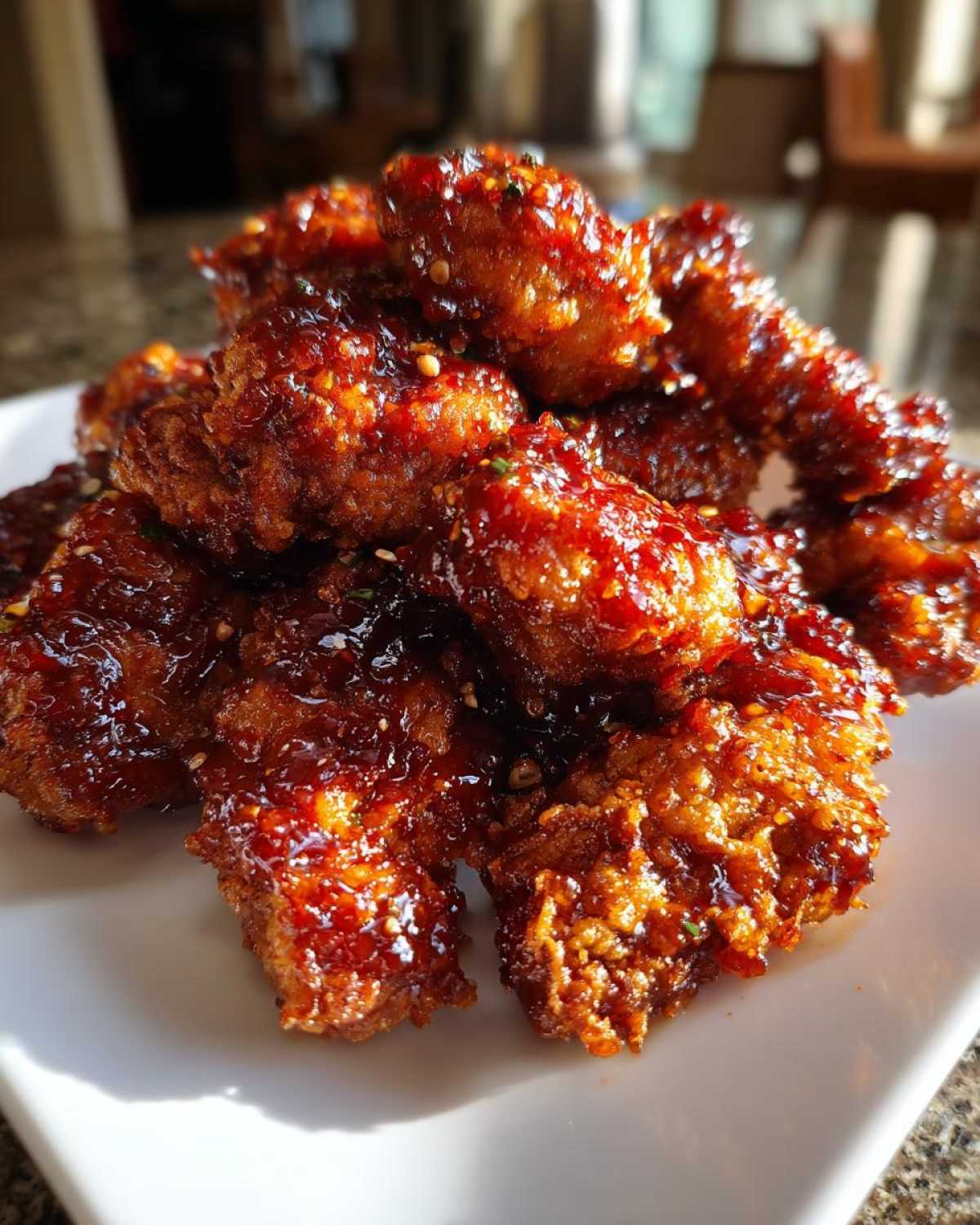
Serving Suggestions for Your Homemade Korean Street Food
We can’t just eat the chicken plain, right? That would be criminal! For the full **homemade Korean street food** experience, you absolutely need some tangy support. Pickled daikon radish, cut small, is my absolute favorite thing to eat alongside this—it cuts right through the richness of the glaze. A simple bowl of steamed white rice helps soak up any extra sauce that might drip onto the plate, which, let’s be honest, always happens.
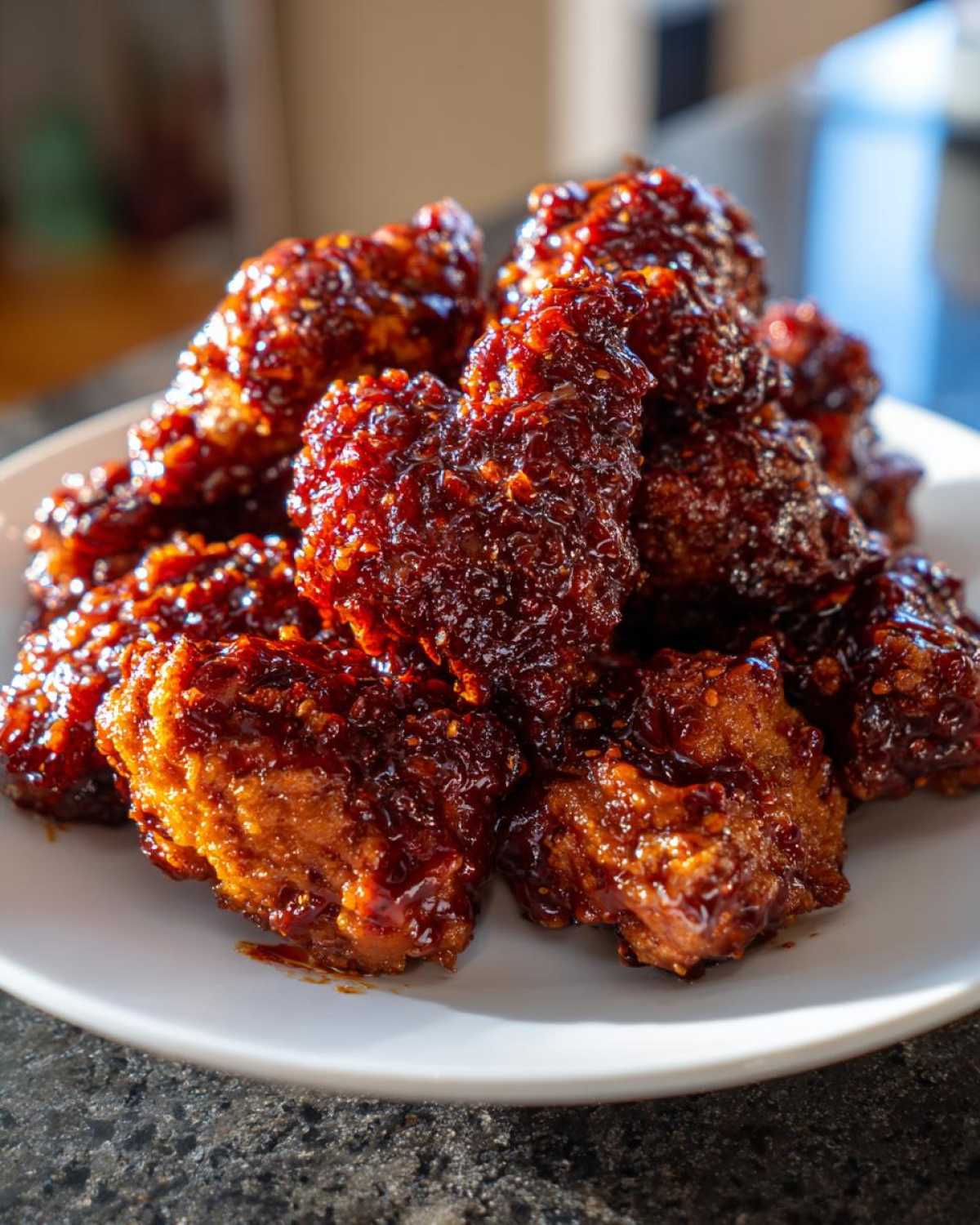
Also, don’t skip the garnish! A generous sprinkle of toasted sesame seeds and some thinly sliced green onions makes it look exactly like the picture you dreamed of. It adds a little pop of freshness to the savory soy garlic chicken wings. If you’re looking for a totally unrelated but equally delicious dip for game day, believe it or not, my simple homemade guacamole recipe is a surprisingly fun side, even if it isn’t traditional!
Storage and Reheating Instructions for Leftover Korean Fried Chicken
Okay, let’s talk the sad part: leftovers. If you’re lucky enough to have any **korean fried chicken** left over from your massive feast, you need to treat it right. The biggest mistake you can make is wrapping it tightly while it’s still warm—that instantly steams the crust and turns your gorgeous crunch into sad, soggy skin. Don’t do it!
The absolute best way to store it is letting any extra pieces cool completely on a wire rack first, allowing the air to circulate around the coating. Then, place them in a single layer inside an airtight container. You want to avoid stacking them if possible, but if you must, put a piece of paper towel between the layers to absorb any ambient moisture. It’s fine in the fridge for about two days.
Now, reheating! Please, for the love of ultimate crispiness, throw away the microwave. Microwaves are the natural enemy of perfectly fried food. The best tool you have is an air fryer, which revives that crisp exterior so beautifully. If you don’t have one, an oven works great for **crispy fried chicken at home**. Set your oven to about 375° or 400°F (I like it hot!) and lay the chicken in a single layer on a baking sheet lined with foil. Bake for about 8 to 10 minutes. You want to reheat until it’s hot all the way through and you hear that satisfying little crackle again.
If you used the sticky glazes, they might look a bit less pristine after reheating, but they will still taste amazing. If you love air frying, you should definitely check out my recipe for air fryer chicken cutlets—the principle of high heat recirculation is the same!
Variations on This Authentic Korean Chicken
Look, I love giving you the classic, tried-and-true **korean fried chicken recipe**, but that doesn’t mean we can’t play around once you’ve nailed the perfect double-fry technique! Once you have that ultra-crispy base, you can do almost anything with it. I love switching things up so we don’t get bored, especially when whipping up **game day chicken appetizers**!
The easiest twist is messing with the spice level in that Gochujang glaze. If you find the original recipe a little too much fire, just use half the Gochujang and make up the rest of the volume with some honey or a little neutral syrup. It mellows out the heat but keeps the color and the sweetness! Or, if you are feeling bold, add a teaspoon of that smoky chipotle powder into the soy garlic glaze—it gives it this fantastic, deep background warmth.
Another fun route is skipping the glaze entirely and using a dry rub before that second fry. I sometimes toss a mix of garlic powder, onion powder, a little sugar, and smoked paprika with the potato starch coating—it creates this incredible savory crust that’s great for dipping into anything you like later. If you’re looking for other fun, glazed ideas, you might enjoy my garlic parmesan chicken skewers, although those are baked!
Finally, don’t feel locked into wings! This recipe works like a charm with boneless thighs cut into big chunks—that’s my favorite way to make an **easy Asian chicken dinner** for a weeknight. They absorb the sauce beautifully. Just watch the cooking time in that second fry, since the smaller pieces might crisp up faster than the larger wings or drumettes!
Frequently Asked Questions About Making Korean Fried Chicken
I know you might have a few questions popping up once you’re standing over the hot oil, and that’s totally normal! When you’re trying to nail down that **restaurant style fried chicken** texture, the details matter. Here are the things I get asked most often when folks try this **korean fried chicken recipe** for the first time. Don’t worry, we’ll troubleshoot any hiccups!
Can I substitute potato starch in this crispy fried chicken at home recipe?
This is a fantastic question! If you can’t find potato starch—and I know it can be a pain to hunt down sometimes—your absolute next best bet is using cornstarch. Cornstarch is the closest cousin, and it will still give you a much lighter, crunchier crust than just using plain flour by itself. It won’t be exactly 100% identical to the way this recipe turns out, but it’s a solid backup for achieving **crispy fried chicken at home**. Just make sure to stick to measured amounts so the liquids and solids stay balanced!
What is the best oil temperature for the second fry of the double fried chicken technique?
Listen, this is the moment where the magic happens, so pay close attention because precision is key! For the second fry, which is all about making that crust shatteringly crisp, you need your oil temperature to be high—we’re talking 375°F (190°C). Don’t go lower, or the chicken starts soaking up oil instead of crisping up instantly. If your oil is too cool, you lose the beautiful golden color and the whole point of the **double fried chicken technique**. Keep that thermometer handy!
Can I make the spicy Gochujang sauce chicken ahead of time?
That is one of the great perks of this whole setup! Yes, you absolutely can make your **spicy Gochujang sauce chicken** glaze ahead of time. In fact, letting sauces sit a little while sometimes helps the flavors deepen up beautifully. I usually make both the Gochujang and the Soy Garlic glaze the day before and just store them in the fridge in airtight jars. When you pull the chicken out of that final, hot fry, you just quickly reheat the sauce gently on the stovetop or even in the microwave for 30 seconds just to make it pourable again. Toss the hot chicken in the warm sauce right away, and you’re done! Easy peasy!
Nutritional Snapshot of This Easy Asian Chicken Dinner
Now, I know we aren’t making this **korean fried chicken** because it’s low-calorie—fried chicken is definitely a treat, not an everyday staple! But that doesn’t mean we can’t have the information so we know what we’re dealing with. These numbers are just my best estimations for four servings, based on using standard measurements and the glazes. When you make this, remember that crispy coating soaks up some of that delicious frying oil, which is where most of the fat comes from. If you are looking for something lighter next time, you might want to compare this to my copycat chipotle grilled adobo chicken for a leaner option!
Here is the ballpark breakdown per serving size (about 4 pieces of chicken tossed in glaze):
- Serving Size: 4 pieces
- Calories: 450
- Fat: 28g (Be mindful of that 6g of saturated fat!)
- Carbohydrates: 25g
- Protein: 24g
- Sugar: 18g (Most of this comes straight from those amazing sticky glazes!)
- Sodium: 650mg (Soy sauce really adds up, so maybe go light on the salt in the dry mix next time if you are watching sodium intake.)
Double-Fried Korean Fried Chicken with Gochujang and Soy Garlic Glazes
Make ultra-crispy Korean fried chicken at home using the double-fry method. This recipe includes instructions for two popular sauces: a sweet and spicy Gochujang glaze and a savory soy garlic glaze.
- Prep Time: 25 min
- Cook Time: 30 min
- Total Time: 65 min
- Yield: 4 servings
- Category: Dinner
- Method: Deep Frying
- Cuisine: Korean
- Diet: Low Lactose
Ingredients
- 3 lbs chicken wings or pieces, separated
- 1 cup potato starch or cornstarch
- 1/2 cup all-purpose flour
- 1 teaspoon salt
- 1/2 teaspoon black pepper
- 1/2 teaspoon baking powder
- 1 cup water (ice cold)
- Vegetable oil, for deep frying
- For Spicy Gochujang Glaze: 1/4 cup Gochujang (Korean chili paste), 3 tablespoons honey or corn syrup, 2 tablespoons soy sauce, 1 tablespoon rice vinegar, 1 clove garlic (minced), 1 teaspoon sesame oil
- For Soy Garlic Glaze: 1/2 cup soy sauce, 1/4 cup water, 1/4 cup brown sugar, 2 cloves garlic (minced), 1 teaspoon grated fresh ginger
Instructions
- Prepare the chicken: Pat the chicken pieces very dry with paper towels. In a large bowl, whisk together the potato starch, flour, salt, pepper, and baking powder.
- Create the batter: Slowly whisk in the ice-cold water until you have a thin, slightly lumpy batter. Do not overmix. Dip the chicken pieces into the batter, shaking off excess.
- First Fry: Heat about 3 inches of oil in a deep, heavy-bottomed pot or Dutch oven to 325°F (160°C). Fry the chicken in batches for 8 to 10 minutes until pale golden and cooked through. Remove and drain on a wire rack. Let rest for at least 15 minutes.
- Prepare the glazes: For the Gochujang glaze, combine all sauce ingredients in a small saucepan. Simmer over medium heat for 3 minutes until slightly thickened. For the Soy Garlic glaze, combine all sauce ingredients and simmer for 5 minutes until reduced and syrupy. Keep warm.
- Second Fry: Increase the oil temperature to 375°F (190°C). Fry the rested chicken pieces again in batches for 2 to 3 minutes until deep golden brown and extremely crispy. Remove and drain briefly.
- Glaze the chicken: Toss the hot, double-fried chicken immediately in your choice of glaze until fully coated. Serve immediately.
Notes
- Using potato starch in the coating mixture is key to achieving the signature thin, crunchy crust.
- Ensure your oil temperature is accurate for both frying stages; the first fry cooks the meat, the second fry crisps the exterior.
- If you prefer a less spicy Gochujang glaze, reduce the amount of Gochujang slightly.
Nutrition
- Serving Size: 4 pieces
- Calories: 450
- Sugar: 18g
- Sodium: 650mg
- Fat: 28g
- Saturated Fat: 6g
- Unsaturated Fat: 22g
- Trans Fat: 0g
- Carbohydrates: 25g
- Fiber: 1g
- Protein: 24g
- Cholesterol: 85mg