


Oh, there is just something special about pulling a perfectly baked, golden cake from the oven, isn’t there? Richard and I have gathered flavors from all over the world, but sometimes, nothing beats the simple comfort of a classic dessert made right at home. That’s why I’m sharing what I consider the absolute best lemon pound cake you will ever try. After decades in the kitchen, collecting and testing, this recipe truly locks in the moisture and gives you that bright, zesty punch you crave in a good lemon pound cake. Forget dry cakes; this one is moist perfection, every single time.
Why This is the Best Lemon Pound Cake Recipe
I truly stand by this: this is the best lemon pound cake recipe you will ever bother with. Honestly, many recipes claim to be great, but they dry out faster than you can sip your coffee the next morning. Our goal here is pure, velvety indulgence. We nailed the texture first, which is half the battle. And don’t even get me started on that glaze—it sings!
Achieving a Perfectly Moist Lemon Pound Cake Texture
The secret to a tender crumb in this moist lemon pound cake always comes down to two things: temperature and sour cream. I know we have to plan ahead, but making sure your eggs, butter, and sour cream are actually at room temperature is non-negotiable. When everything is the same temperature, it mixes into one smooth, beautiful batter base, which you can see in our step-by-step guide near this rich chocolate chip banana bread. That sour cream does heavy lifting to keep things soft!

Zesty Flavor from Fresh Ingredients in Your Lemon Pound Cake
You can’t fake sunshine, and you certainly can’t fake fresh lemon flavor in this zesty lemon cake. We use the zest of three, sometimes four, lemons. Richard, with his ridiculously good palate, always says that the oil from the zest is what makes the whole cake truly pop. Skip the bottled stuff entirely—it just doesn’t give you that authentic bite that people expect from a proper, bright lemon pound cake.
Gathering Ingredients for Your Lemon Pound Cake with Glaze
Alright, now that we’ve talked about *why* this is the one, let’s gather our supplies. Richard always tells me to lay everything out first—he calls it ‘mise en place’—but I just call it getting ready so I don’t panic later! For this lemon pound cake with glaze, having everything measured and ready to go makes the mixing process totally seamless. Remember what I said: temperature is everything here. Don’t rush letting your butter and sour cream sit out! If you need tips on how I make a gorgeous glaze for things like my honey mustard chicken, you know where to look!
Ingredients for the Buttery Lemon Cake
- 1 cup (2 sticks) unsalted butter, softened to just the right texture, not melted!
- 3 cups granulated sugar
- 4 large eggs, must be at room temperature
- 1 tablespoon fresh lemon zest (That’s about 3-4 happy, bright yellow lemons!)
- 1/4 cup fresh lemon juice, freshly squeezed, please!
- 1 cup sour cream, also at room temperature
- 3 cups all-purpose flour
- 1 teaspoon baking powder
- 1/2 teaspoon salt
- 1/2 cup milk, room temperature is key here
- 1 teaspoon vanilla extract
Ingredients for the Tangy Lemon Icing
- 2 cups powdered sugar (confectioner’s sugar)
- 4 tablespoons fresh lemon juice (you might need a splash more for consistency)
We’re aiming for a glaze that’s thick enough to coat the cake nicely but thin enough to drizzle without looking like paste. That balance is just five minutes away once the cake is cool!
Step-by-Step Instructions for the Homemade Lemon Loaf Cake
Now for the fun part! Turning those lovely ingredients into what I promise will be your go-to homemade lemon loaf cake. I always put on some quiet music when I start this part, because we need patience, especially in the mixing stage. Remember, baking is translating a memory into something tangible, and that takes a little care. If you look at how I handle the mixing for our moist banana bread, you’ll see the same principles apply here: gentle hands!
Preparing the Pan and Oven for Your Lemon Pound Cake
First order of business: get that oven warmed up! We need it at 325°F (160°C). While it’s cruising to temperature, take your 10-inch tube pan or Bundt pan—whichever you chose—and grease it really thoroughly. Then, dust it well with flour. You want to make sure every single nook and cranny is coated so this beautiful lemon pound cake releases perfectly later on. Trust me, there’s no sadness greater than a perfectly baked cake stuck halfway in the pan!
Mixing the Batter for a Tender Lemon Pound Cake
Grab your mixer. Cream that butter and sugar together until it looks genuinely light and fluffy. This takes about five minutes; be patient! Then, add your eggs one at a time, making sure each one is fully incorporated before adding the next. Beat in that gorgeous zest and the lemon juice. Separately, quickly whisk your dry items (flour, baking powder, salt) together. Then, alternate adding the dry mix and the sour cream mixture to the butter base. Always start and end with the dry ingredients. Stop mixing the second it comes together—we are not whipping bread here!
Baking and Cooling the Lemon Pound Cake
Pour that batter into your prepared pan and slide it gently into the oven. It will bake for somewhere between 70 and 85 minutes. You’ll know it’s ready when that wooden skewer you poke in the middle comes out clean—no wet batter allowed! Once it’s done, let it sit in the pan on your cooling rack for about 15 minutes. Then, carefully flip it out onto the rack and let it cool completely. I mean it, completely! If it’s warm when the glaze hits, you get sweet lemon soup, not that lovely crackly icing we want.
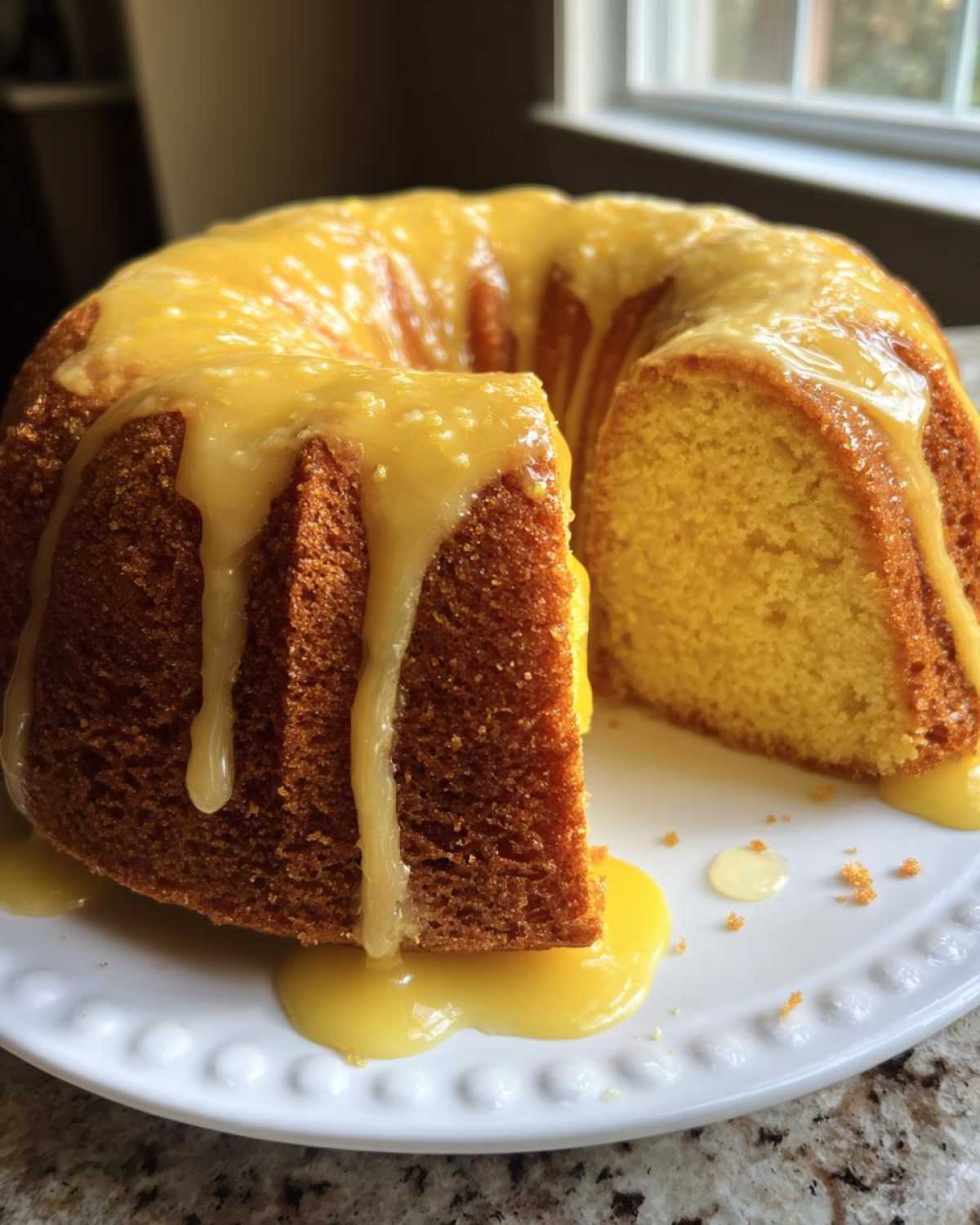
Creating and Applying the Tangy Lemon Icing
While the cake is cooling down, whisk together your powdered sugar and the 4 tablespoons of lemon juice for the tangy lemon icing. You’re looking for something that drizzles nicely but doesn’t run straight off the sides. If it looks too stiff, add juice by the teaspoon; if it’s too thin, add powdered sugar the same way. Once the cake is totally cool, drizzle that sunshine all over. Let it set for about 20 minutes before slicing into your lovely lemon pound cake.
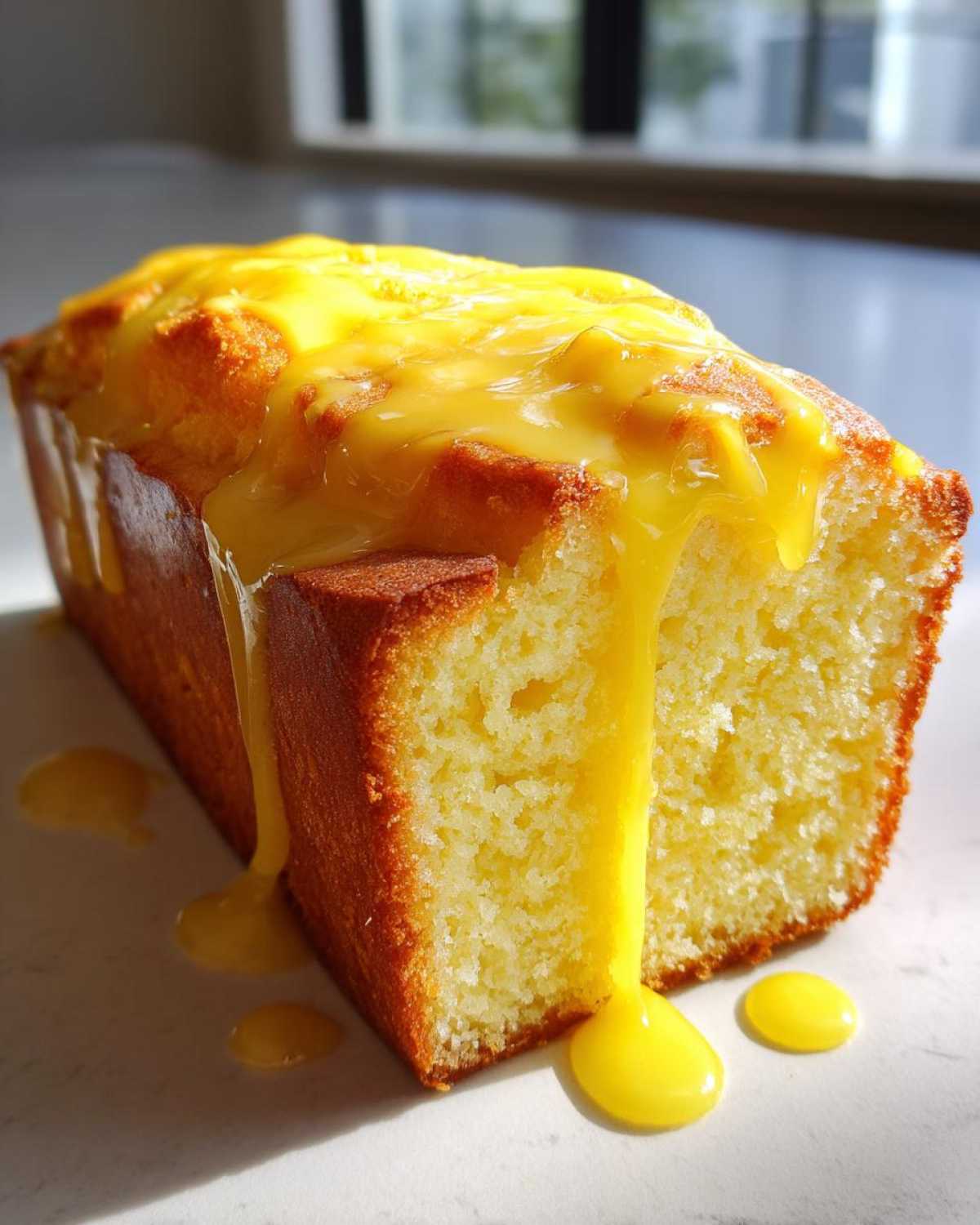
Tips for the Perfect Lemon Pound Cake Success
Even with a great recipe like this pound cake recipe from scratch, sometimes just a little nudge is needed to go from ‘good’ to ‘truly memorable.’ Baking with Richard taught me early on that paying attention to these tiny details is what separates the occasional success from reliable deliciousness. These little habits make all the difference in keeping your cake tender!
Temperature Matters for Your Sour Cream Pound Cake
If you remember one thing from this entire post about making a perfect sour cream pound cake, let it be this: everything needs to be room temperature! I know it’s annoying waiting for eggs and butter, but when those ingredients are cold, they don’t mix properly with the fats and sugars. This leads to clumps or a dense batter that never lightens up. A smooth start guarantees a tender crumb!
Boosting Flavor in Your Zesty Lemon Cake
Here’s an extra step I love to sneak in, especially if I’m making a thicker loaf cake. Once the cake has been out of the oven for about ten minutes, but it’s still quite warm, take a long wooden skewer. Poke holes all over the top—not too deep, just enough to let the flavor soak in. Then, drizzle just a tablespoon or two of extra fresh lemon juice over the top before you let it cool completely. Trust me, it supercharges that bright, zesty lemon cake flavor before the glaze even goes on. It’s a little trick I picked up that always elevates our lemon dishes!
Variations on the Classic Lemon Pound Cake
While I believe this classic lemon pound cake recipe, relying on sour cream for that signature moist texture, is the ultimate version, I know you lovely readers like options! If you’re craving a more dramatic look for a celebration, this very same batter works perfectly for a lemon bundt cake recipe. Just make sure you grease and flour that fancy pan meticulously—you don’t want to lose those beautiful ridges! If you want to dive deeper into specific regional variations, you might enjoy looking at this lovely Italian lemon pound cake recipe.
I’ve also seen wonderful things people do when they try to replicate the rich flavor profiles similar to an Italian lemon pound cake. Often, those versions rely more heavily on almond notes or even a second soak of syrup after baking. Feel free to add a teaspoon of almond extract when you add the vanilla if you want to dip your toe into that world. We just love seeing how you adapt one of our journal entries for your own table. If you’ve modified this for a Bundt, I’d love to hear how it turned out! Our work on creamy chicken gnocchi shows how much fun it is to remix a classic!
Storing Your Moist Lemon Pound Cake
The best part about having such a wonderfully moist lemon pound cake is that it actually tastes better the next day! Once the glaze is set, I wrap the entire cooled cake tightly in plastic wrap. Richard usually insists on a second layer of foil—he’s very worried about air getting to our baked goods, bless him! This keeps it fresh at room temperature for about three days. If you’ve got leftovers you want to save longer, you can wrap a slice tightly and tuck it into the freezer for up to a month. To thaw a slice, just let it come to room temperature on the counter. If you wrap it loosely in foil while defrosting, it keeps that lovely moisture trapped inside. Trust me, leftovers of this no-bake treat vanish quickly, but good storage is key!
Frequently Asked Questions About Lemon Pound Cake
It’s funny how many questions pop up after you think you’ve covered everything! Richard and I have wrestled with this lemon pound cake long enough to have answers for most of the common bumps in the road. We want your experience making this pound cake recipe from scratch to be flawless, so here are the things folks ask me most often about handling this bright, buttery cake.
Can I make this lemon pound cake recipe without sour cream?
Oh, absolutely you can! While I adore what sour cream does for the structure of this sour cream pound cake—it adds tenderness and keeps it rich—if you don’t have any, you can swap it out with an equal amount of buttermilk or plain, full-fat yogurt. The key is that you need some kind of acid and fat there to react with the baking powder and tenderize the crumb. Just remember that yogurt can sometimes make the final texture a touch denser than the sour cream does, but it will still be a fantastic lemon pound cake, I promise!
How do I prevent my lemon pound cake from sinking in the middle?
Sinking is the bane of every baker’s existence, isn’t it? Usually, this happens because the cake hasn’t fully set before you try to cool it too fast. The biggest rule for this lemon pound cake is to keep that oven door shut! Don’t peek until you’re near the 70-minute mark. Opening the door lets a blast of cool air hit the rising cake, causing the center to collapse slightly before the structure is firm enough to hold itself up. Make sure your oven thermometer is accurate, too; baking at a steady, correct temperature is crucial for even rising.
What is the best way to get a thick, tangy lemon icing?
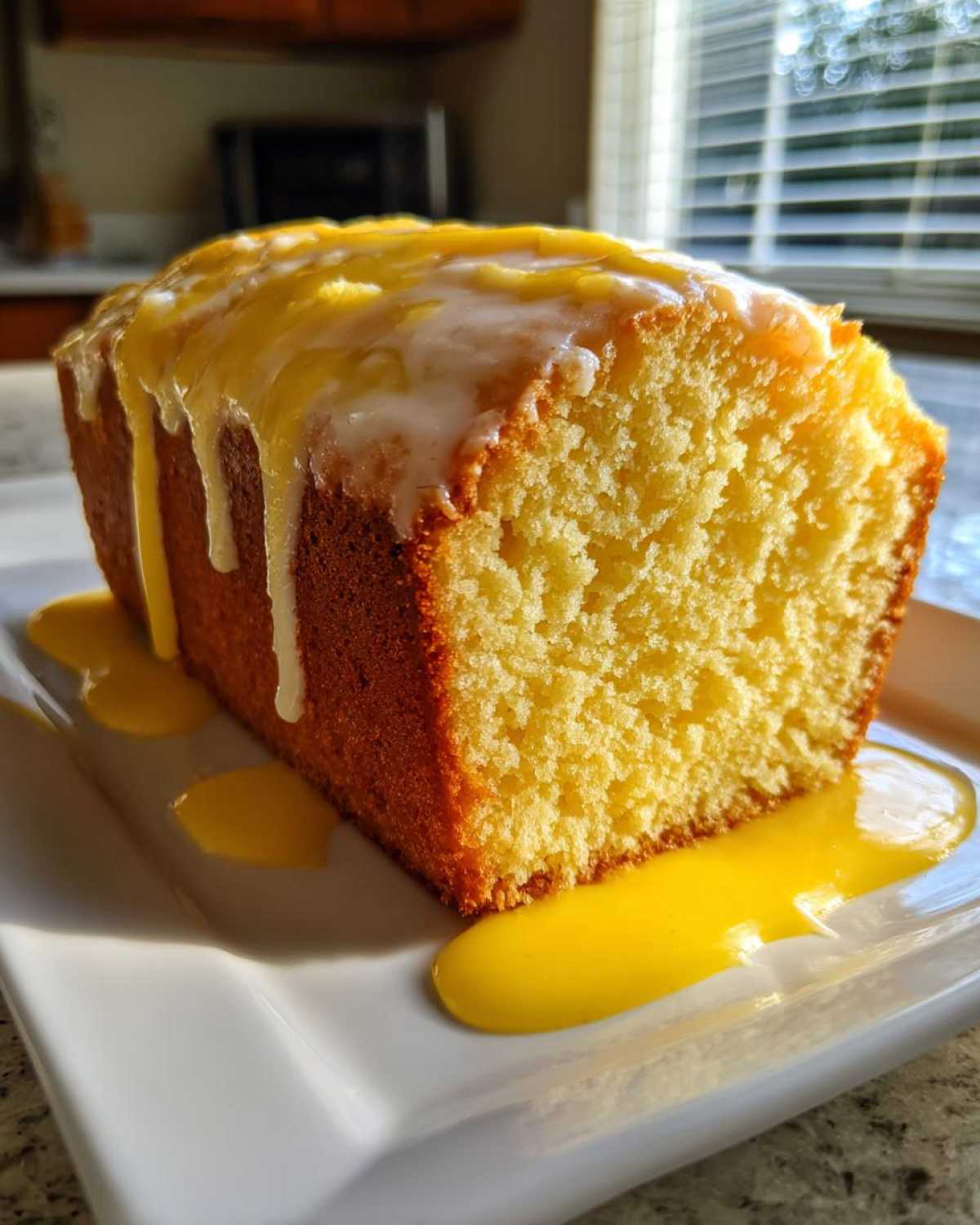
Getting that perfect, drizzly, yet thick tangy lemon icing is all about ratios, which is where we have to be a little patient once the cake is cooled. Remember, you’re whisking powdered sugar with lemon juice. If you pour in too much juice at once, it gets thin and watery quickly. Start with the recommended 4 tablespoons of juice and whisk well. If you can still see the bottom of the bowl easily when you lift the whisk, add more sugar, one teaspoon at a time, until it coats the back of a spoon gorgeously. That perfectly thick coating is what makes this lemon pound cake with glaze so irresistible.
If you’re looking for more of our baking adventures and chronicles, you can always browse the whole collection over on our blog!
Nutritional Estimates for Lemon Dessert Recipes
Now, Richard and I know that not everyone cares about the raw numbers, but when we are making something delicious like this lemon pound cake, knowing what’s in it helps us keep track! When we developed this recipe, we aimed for that rich, buttery satisfaction that classic pound cakes deliver. Because we are using fresh ingredients and the sour cream method, the fat content comes mostly from natural dairy and butter, which is exactly how Grandma taught me to bake!
Please remember, dear reader, that these figures are simply my best estimates based on the precise ingredients I listed earlier. If you decide to swap out the sour cream for yogurt, or maybe if you use a different brand of flour, these numbers will shift a bit. Think of this as a good starting point for your own tracking, rather than an absolute guarantee for every single deviation you might make on your lemon dessert recipes journey!
- Serving Size: 1 slice
- Calories: 450
- Sugar: 45g
- Sodium: 250mg
- Fat: 25g
- Saturated Fat: 15g
- Carbohydrates: 58g
- Protein: 5g
Share Your Lemon Pound Cake Creations
Oh, that’s the best part of keeping this Delish Diarist journal! We pour our hearts into translating these memories into recipes like this perfect lemon pound cake, but it truly comes alive when it shows up on your table. Richard and I absolutely love hearing about your baking adventures. Did you use the tube pan, or did you go for a Bundt mold? Did you manage to get that glaze coating perfectly?
When you make this cake, please take a moment to come back here and leave a rating and a comment. Knowing that a recipe we cherished from our past adventure brought you a moment of simple joy today? That’s better than any souvenir we ever brought home! If you tried this recipe and have questions about substitutions, or if you just want to tell us the story of why you chose to bake a lemon pound cake this week, please reach out through our contact page. We are waiting eagerly to read your entry!
Happy baking, and thank you for letting us share a delicious piece of our history with you!
PrintMoist Lemon Pound Cake with Tangy Glaze

This recipe creates a wonderfully moist lemon pound cake, rich with fresh zest and juice, topped with a bright, tangy lemon icing. It captures the comforting flavor of a classic homemade lemon loaf cake.
- Prep Time: 20 min
- Cook Time: 80 min
- Total Time: 100 min
- Yield: 12 servings
- Category: Dessert
- Method: Baking
- Cuisine: American
- Diet: Vegetarian
Ingredients
- 1 cup (2 sticks) unsalted butter, softened
- 3 cups granulated sugar
- 4 large eggs, room temperature
- 1 tablespoon fresh lemon zest (from 3-4 lemons)
- 1/4 cup fresh lemon juice
- 1 cup sour cream, room temperature
- 3 cups all-purpose flour
- 1 teaspoon baking powder
- 1/2 teaspoon salt
- 1/2 cup milk, room temperature
- 1 teaspoon vanilla extract
- For the Glaze: 2 cups powdered sugar
- For the Glaze: 4 tablespoons fresh lemon juice
Instructions
- Preheat your oven to 325°F (160°C). Grease and flour a 10-inch tube pan or Bundt pan.
- In a large bowl, cream together the softened butter and granulated sugar until the mixture is light and fluffy. This takes about 5 minutes with an electric mixer.
- Beat in the eggs one at a time, mixing well after each addition.
- Mix in the lemon zest and 1/4 cup of lemon juice. Scrape down the sides of the bowl.
- In a separate medium bowl, whisk together the flour, baking powder, and salt.
- In a small bowl, whisk together the sour cream, milk, and vanilla extract.
- Gradually add the dry ingredients to the wet ingredients, alternating with the sour cream mixture, beginning and ending with the dry ingredients. Mix only until just combined; do not overmix.
- Pour the batter into the prepared pan. Bake for 70 to 85 minutes, or until a wooden skewer inserted near the center comes out clean.
- Let the cake cool in the pan on a wire rack for 15 minutes.
- Invert the cake onto the wire rack and allow it to cool completely.
- Prepare the glaze: Whisk together the powdered sugar and 4 tablespoons of lemon juice until smooth. Add more powdered sugar or juice, one teaspoon at a time, to reach a thick but pourable consistency.
- Drizzle the tangy lemon icing evenly over the cooled lemon pound cake. Let the glaze set before slicing and serving your homemade lemon loaf cake.
Notes
- Using room temperature ingredients like eggs, butter, and sour cream helps create a smoother batter and results in a more tender, moist lemon pound cake.
- For an extra burst of lemon flavor, you can poke holes in the warm cake before glazing and pour a small amount of extra lemon juice over it.
- This recipe works well as a classic southern pound cake or adapted for a Bundt pan.
Nutrition
- Serving Size: 1 slice
- Calories: 450
- Sugar: 45
- Sodium: 250
- Fat: 25
- Saturated Fat: 15
- Unsaturated Fat: 10
- Trans Fat: 0.5
- Carbohydrates: 58
- Fiber: 1
- Protein: 5
- Cholesterol: 90