

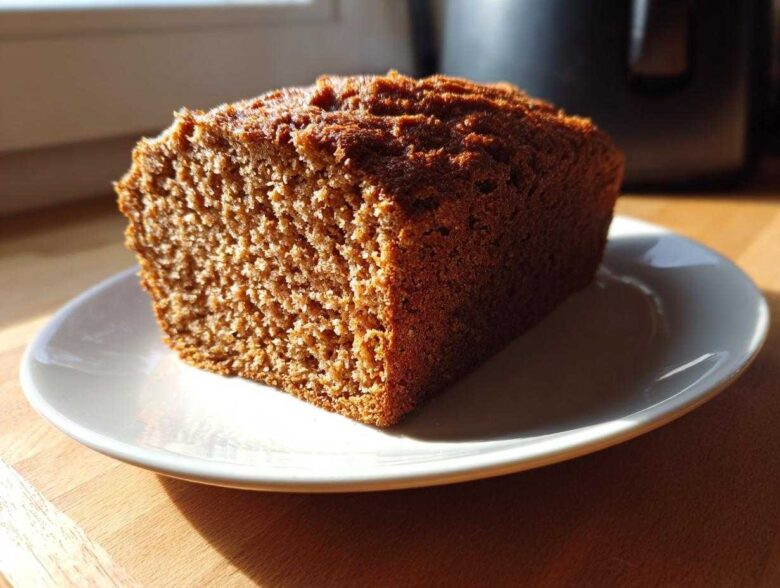
Honestly, there’s nothing quite like the smell of bread baking right here in our quiet kitchen now. Richard and I spent forty years chasing wonderful aromas around the world, but nothing beats walking into this house and smelling something warm coming out of the oven. That’s why I’m so thrilled to share our recipe for Easy Homemade Whole Wheat Bread. It’s hearty, it’s soft, and it tastes just like the comfort we’ve always sought. Baking this loaf feels like unlocking a memory, combining decades of kitchen wisdom—wisdom we talk more about on our About Us page—into something incredibly nourishing for us today. We worked hard to get this whole wheat bread just right, and I think you’ll agree it’s special.
Why This Easy Homemade Whole Wheat Bread Recipe Works (Our Secrets)
When you’re baking with 100% whole wheat flour, most folks expect a dense, heavy brick, right? Not with this recipe! Richard and I cracked the code to make this hearty loaf incredibly soft. It truly is the best of both worlds. The secret sauce—well, it’s not really sauce—involves the honey and the oil. The honey does more than sweeten; it helps keep that crumb tender, and the oil, even just a couple of tablespoons, is vital for lending flexibility to the whole wheat structure, preventing it from crumbling on you.
Achieving a Soft Crumb in Whole Wheat Bread
Whole wheat flour has those scratchy bran pieces that interrupt gluten development, making it naturally stubborn. I remember one disastrous attempt years ago where I tried to rush the kneading—big mistake! The resulting loaf was like eating well-baked cardboard. Now, I’m patient. We knead for a solid 8 to 10 minutes to develop the gluten as much as we can. Also, getting that initial warm water right around 110 degrees F is non-negotiable. Too cold, and the yeast sleeps; too hot, and it dies. Getting that temperature perfect sets us up for a long, slow, beautiful rise!
Gathering Ingredients for Your Whole Wheat Bread Loaf
Alright, let’s get organized. Baking bread is less about complicated tools and more about having the right bits ready before you start. This recipe keeps things wonderfully simple, which is perfect for Richard when he’s navigating the pantry! You only need a handful of things to create this amazing homemade bread. Make sure you measure your flour correctly, as that’s often where things go sideways with whole grains.
- 2 teaspoons active dry yeast (Make sure it’s fresh!)
- 1 1/2 cups warm water (aim right for 105–115 degrees F, use a thermometer!)
- 1/4 cup honey (the richer, the better)
- 2 tablespoons vegetable oil
- 1 1/2 teaspoons salt
- 3 1/2 cups whole wheat flour, plus more for dusting the counter
That’s it! We aren’t fooling around with ten different additions here. Sometimes the simplest ingredient list makes the most comforting food.
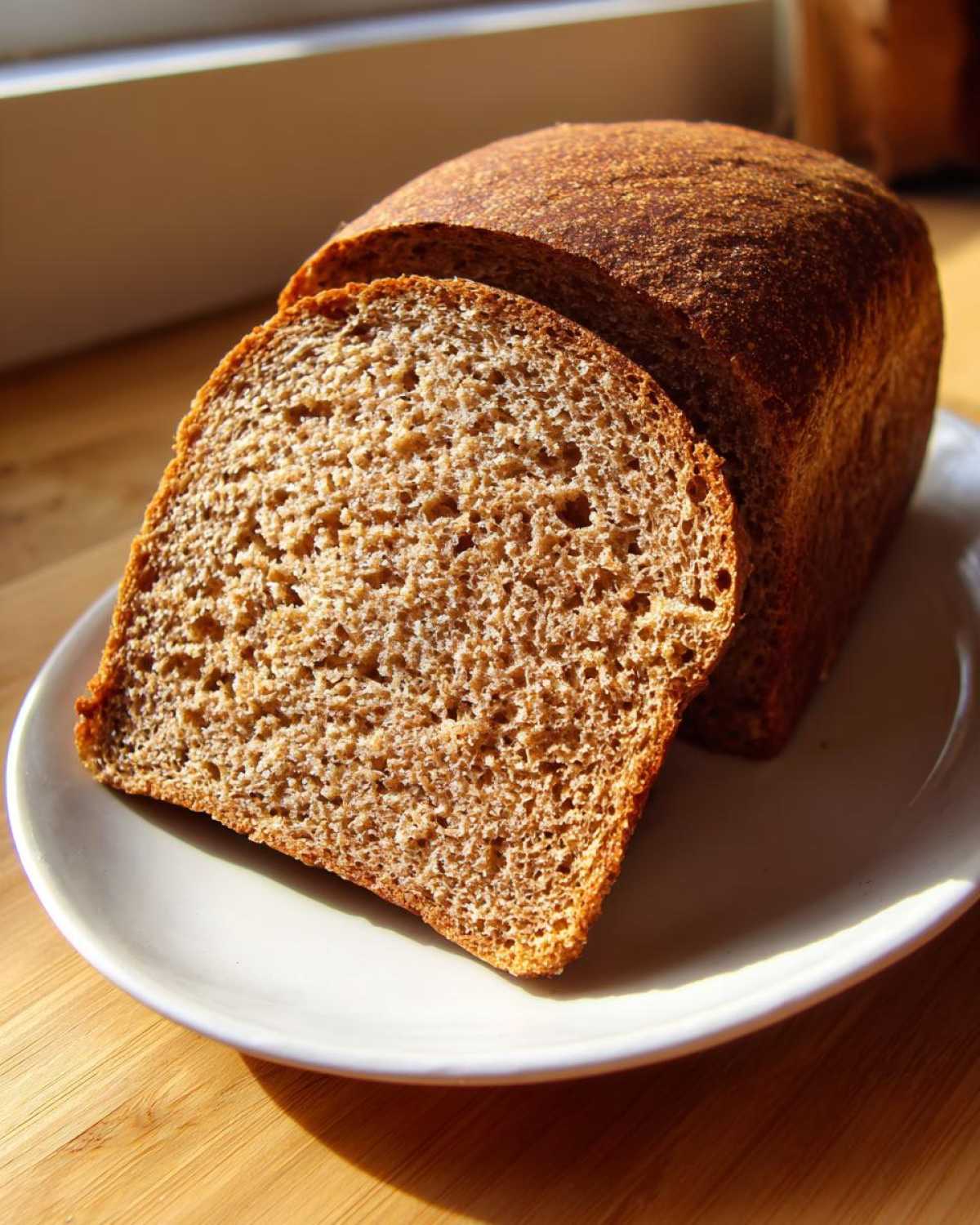
Ingredient Notes and Substitutions for Perfect Whole Wheat Bread
Because we are committed to that deep, nutty flavor, this recipe calls for 100% whole wheat flour. That said, I know some of you are just dipping your toes into whole grain baking, and that’s totally fine! We need to talk about what you are using so your loaf comes out perfectly every time. Knowing how these ingredients interact lets you build on this basic recipe for years to come.
Flour Considerations for Hearty Whole Wheat Bread
If you want the softest possible texture and are worried about it being too dense, try what we sometimes do: swap out one cup of the whole wheat flour for standard bread flour. Bread flour has more gluten potential, which helps lift the heavier grain without sacrificing too much of that healthy fiber. You still get that lovely hearty loaf, just with a touch more airiness!
Adjusting Sweetness in Your Whole Wheat Bread
Honey isn’t just for flavor here; it’s hygroscopic, which means it pulls moisture into the dough and keeps it soft longer. If you want a slightly sweeter slice for morning toast—maybe enough to taste great with jam—you can bump that 1/4 cup up to 1/3 cup, like I mentioned in my notes. Just be aware that slightly more sugar can sometimes make the second rise a little faster, so keep an eye out!
Step-by-Step Instructions for Easy Homemade Whole Wheat Bread
Now we get to the good part! Baking yeast bread can feel intimidating, especially when using whole wheat flour, but trust me, Richard and I have streamlined this process so much over the years. We want you to succeed on your first try, so pay close attention to the timing and the feel of the dough. If you followed along with my post about flaky biscuits, you know I stress patience, and that definitely holds true here for a quality homemade bread.
Activating Yeast and Mixing the Whole Wheat Bread Dough
First things first: wake up that yeast! In a big bowl, stir your active dry yeast into the warm water. This step is crucial—you need to see that foamy layer on top after about five minutes. If it’s not bubbly, your yeast is sleeping or dead, and you need to start over with fresh yeast and warmer water. Once it’s foamy, stir in your honey, the oil, and the salt. Then, we gradually mix in that whole wheat flour. Keep adding it until it stops looking like soup and starts looking like a shaggy mess. Don’t worry about it being smooth yet!
Kneading and the First Rise for Whole Wheat Bread
Time to get your hands dirty! Turn that shaggy mass onto a lightly floured surface—you’ll need a bit more flour for whole wheat than white dough. Knead this dough firmly for a good 8 to 10 minutes. It won’t get silky smooth like white bread dough does; it’ll feel slightly heavier and a little rougher, and that’s exactly right for a hearty loaf. Pop the dough into a lightly oiled bowl, flip it over so it’s coated, cover it up, and put it somewhere warm. It needs 1 to 1 1/2 hours to double in size. Be patient; that long rise builds all the flavor!
Shaping and Baking Your Hearty Whole Wheat Bread
Once doubled, gently punch that air out—it’s satisfying! Shape it into a log and place it snugly into your greased 9×5 loaf pan. Cover loosely and let it rest again for another 30 to 45 minutes until it’s nicely crowned above the pan edge. While that’s happening, go ahead and preheat your oven to 375 degrees F during the last 15 minutes. Bake for about 30 to 35 minutes until it’s deeply golden brown. The absolute most important thing after it comes out? Get it immediately onto a wire rack and leave it alone! It *must* cool completely before you slice it, or you’ll end up with gummy bread inside.
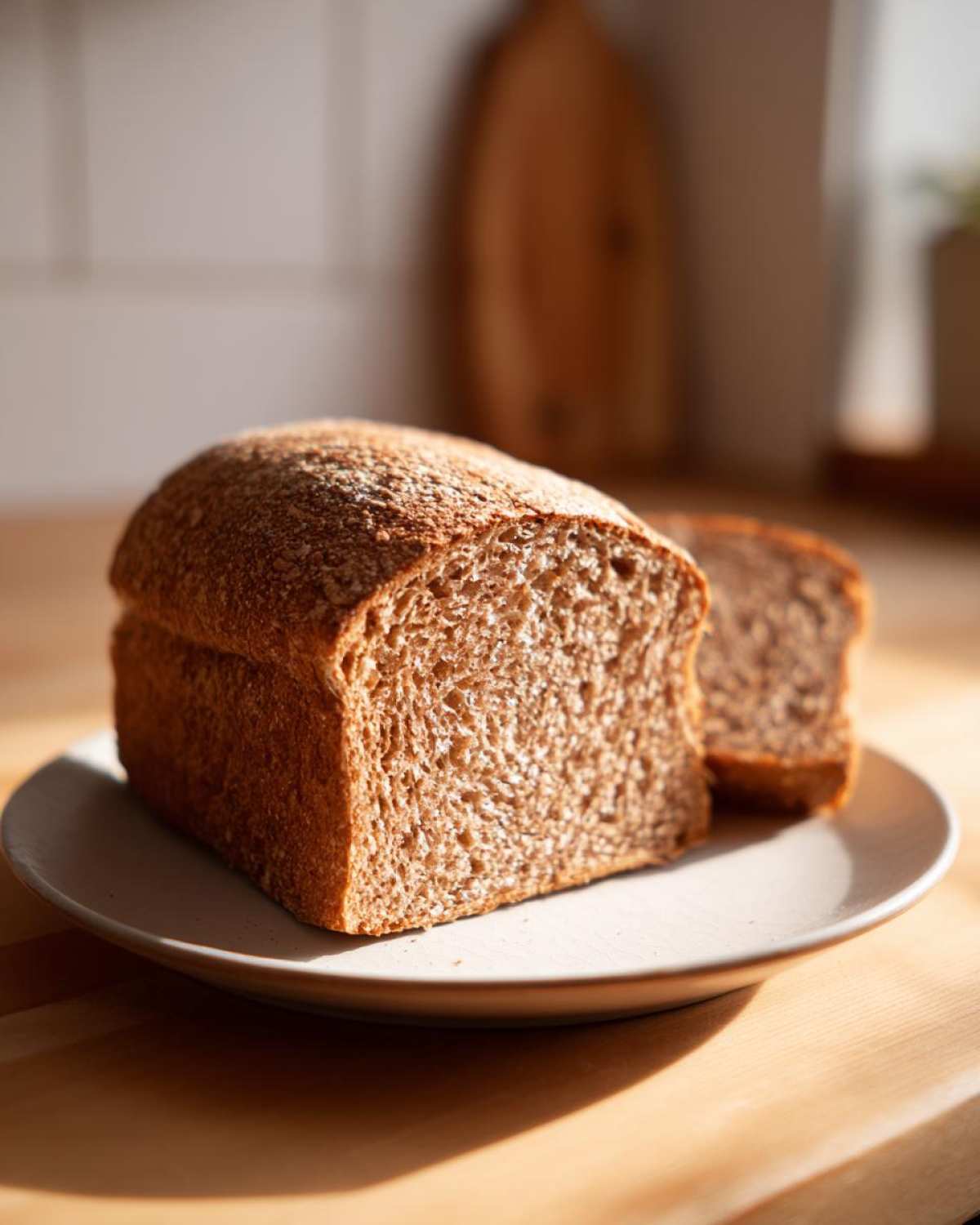
Tips for Success When Baking Whole Wheat Bread
Baking with whole wheat flour is always an adventure, but I promise you, with a little intuition, you can nail this loaf every single time. Whole wheat absorbs liquid differently than white flour, so we sometimes need to adapt based on humidity or the brand of flour we’re using. Don’t be afraid to trust your hands over the scale slightly in this stage; that’s what separates merely following a recipe from truly cooking!
Judging Dough Readiness for Whole Wheat Bread
When you are kneading this dough, look for it to feel tacky, but it shouldn’t aggressively stick to your hands. If you pull a piece off and it tears cleanly, you’re on the right track. If it feels dry and brittle, it’s probably not combining evenly yet—add just a teaspoon or two more warm water. Conversely, if it’s sloppy and sticking everywhere even after 8 minutes of kneading, sprinkle just a tiny bit of extra whole wheat flour on your surface. Remember, whole grains sometimes need a minute or two longer to fully absorb the liquid during the kneading process. If you want some extra pointers, check out this great guide on healthy whole wheat bread for more background!
Storing Your Delicious Homemade Whole Wheat Bread
Don’t you dare wrap this beautiful loaf while it’s still warm! I learned that the hard way years ago when I tried to sneak a slice too early. You absolutely must let this homemade whole wheat bread cool completely on a wire rack. Once it’s totally cool, you can keep it on the counter wrapped in a clean tea towel or a paper bag for about two or three days for that soft texture we love. It won’t last that long, but just in case!
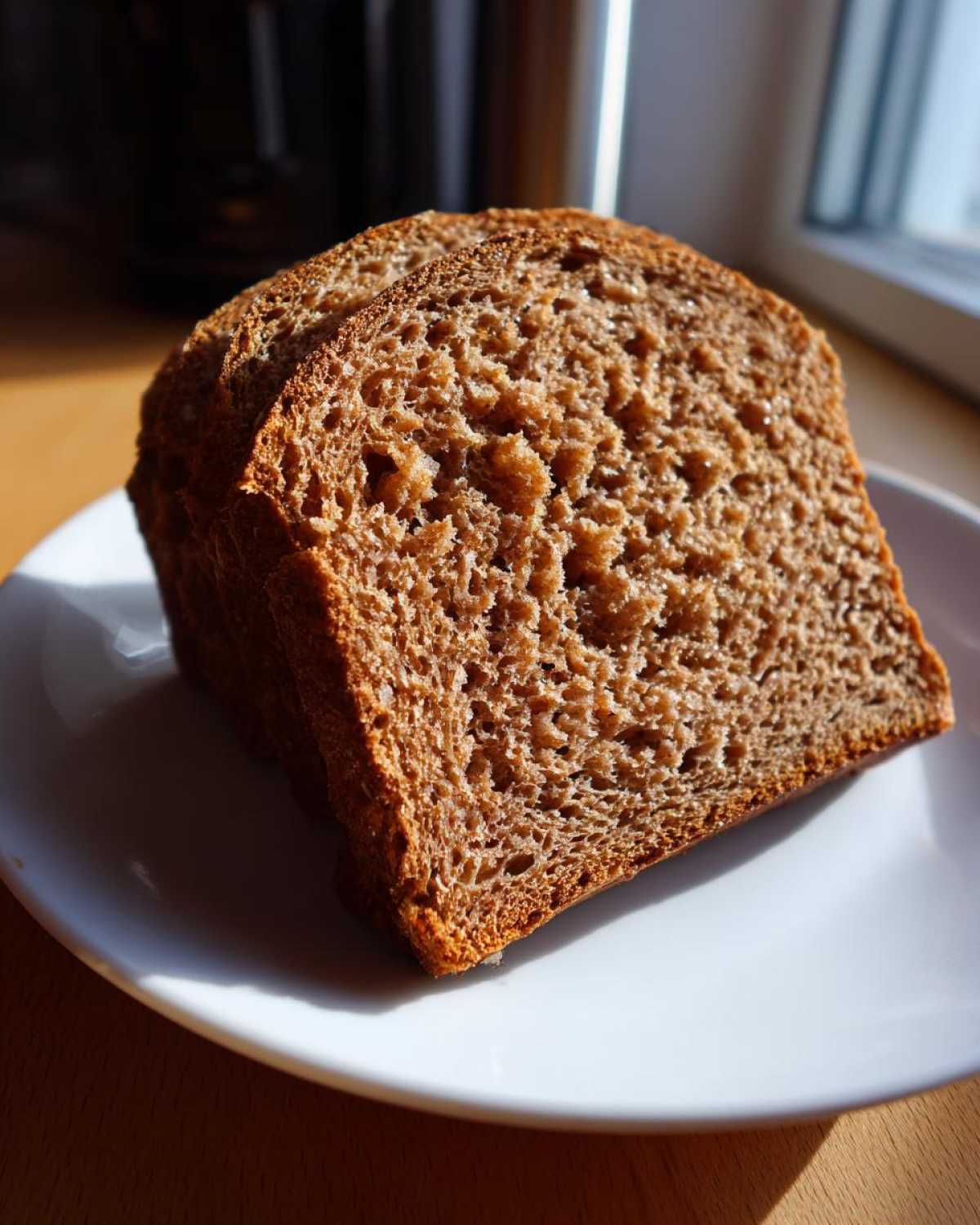
If you happen to conquer the whole loaf, freezing is your best friend! Slice the cooled bread first, wrap those slices up tightly in plastic wrap, and then tuck them all into a freezer-safe bag. They keep beautifully for months, and you can just pop a slice right into the toaster whenever you get a craving for that hearty flavor!
Serving Suggestions for This Hearty Whole Wheat Bread
Oh, a fresh loaf of this whole wheat bread is like a blank canvas just waiting for flavor, isn’t it? Richard and I have served this hearty loaf in a few memorable ways over the years. For simple mornings, nothing beats a thick slice toasted with melted butter—you can actually taste the honey coming through.
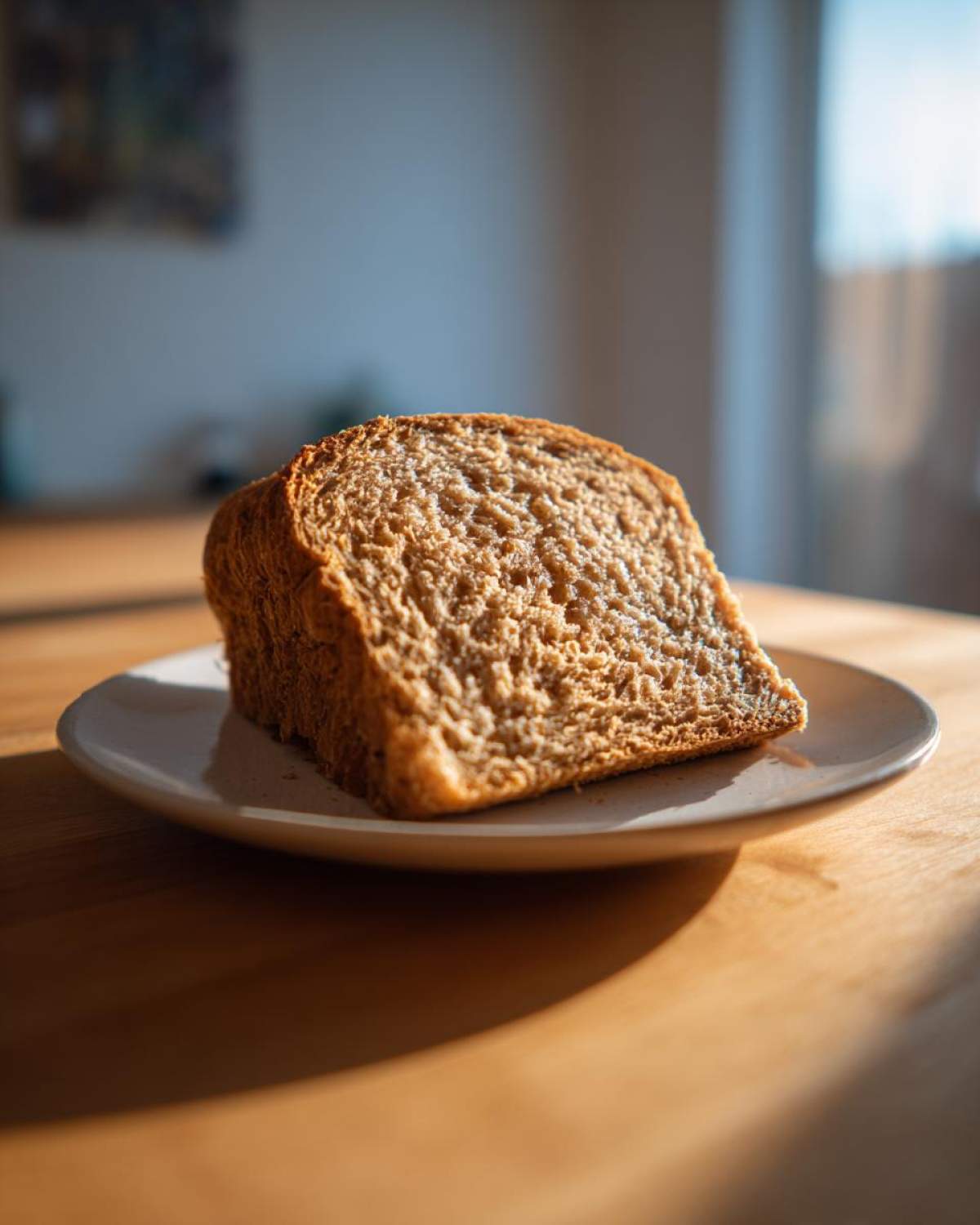
When we were traveling through the Tuscan countryside years ago, we found a tiny bakery that served their rustic bread with nothing more than olive oil and fresh tomatoes. It changed my perspective on simplicity! We try to recreate that feeling here. Spread a little high-quality olive oil on the slice, maybe rub a cut garlic clove on it, and top it with sea salt. Perfection just requires a few good things!
Of course, this bread is robust enough for lunchtime too. It holds up magnificently to heavy fillings. It’s fantastic for classic sandwiches—think tuna melts or rich fillings like my chicken salad recipe. And frankly, when the bread is this good, I just slice it thick and keep it by the stovetop to dip into any simmering soup or stew we’re having for dinner. It soaks up broth like a dream!
Frequently Asked Questions About Making Whole Wheat Bread
It’s funny how baking brings up the same questions, isn’t it? Richard and I keep running into the same little sticking points when we experiment. We’ve gathered a few of the most frequent worries people have about baking their own homemade bread, especially when trying to keep that wonderful softness in a whole wheat loaf. Don’t hesitate to check out our whole blog archives if you have more questions!
Can I substitute the honey in this whole wheat bread?
Oh, absolutely. While honey adds that specific depth and helps with keeping the loaf moist, you can easily swap it out. Maple syrup works wonderfully well and brings a slightly different, richer note. If you don’t have either, you can use the same amount of regular granulated white sugar. It won’t provide quite the same moisture benefit, so just keep an extra close eye on your water levels during the initial mix!
Why is my homemade whole wheat bread dense?
This is the eternal struggle with whole wheat! Usually, density comes down to a couple of things. First, did you give that yeast enough time to come alive and get foamy? If the yeast is weak, the bread won’t rise properly. Second, whole wheat dough needs adequate kneading—don’t stop at 5 minutes! You need that 8 to 10 minutes to build structure, even though it feels heavy. And finally, make sure your dough had a genuinely warm, draft-free spot for that crucial first rise. A cold kitchen means a slowly rising dough, which means a denser finished product.
Nutritional Snapshot of This Whole Wheat Bread
When we travel, Richard is always the one marking down the local flavors, but I’m the one tracking what we’re *actually* eating! While this hearty loaf is certainly nourishing, keep in mind these numbers are just estimates based on the exact ingredients listed. Enjoying fresh bread is part of a delicious life, after all, so bake often!
- Serving Size: 1 slice
- Calories: 130
- Fat: 2g
- Carbohydrates: 25g
- Protein: 5g
These figures jump around a little depending on the brand of whole wheat flour you use, so consider this a wonderful starting point for your favorite sandwich bread!
PrintEasy Homemade Whole Wheat Bread: Soft and Hearty
Richard and I are bringing back the comforting aroma of fresh-baked bread with this simple whole wheat loaf. It is soft, hearty, and perfect for your daily toast or sandwiches.
- Prep Time: 20 min
- Cook Time: 35 min
- Total Time: 1 hour 50 min
- Yield: 1 loaf
- Category: Baking
- Method: Baking
- Cuisine: American
- Diet: Vegetarian
Ingredients
- 2 teaspoons active dry yeast
- 1 1/2 cups warm water (105-115 degrees F)
- 1/4 cup honey
- 2 tablespoons vegetable oil
- 1 1/2 teaspoons salt
- 3 1/2 cups whole wheat flour, plus more for dusting
Instructions
- In a large bowl, dissolve the yeast in the warm water. Let it sit for 5 minutes until foamy.
- Stir in the honey, oil, and salt into the yeast mixture.
- Gradually add the whole wheat flour, mixing until a shaggy dough forms.
- Turn the dough out onto a lightly floured surface. Knead for 8 to 10 minutes until the dough is smooth and elastic. You will notice the texture is slightly different than white bread dough.
- Place the dough in a lightly oiled bowl, turning to coat. Cover the bowl with plastic wrap or a clean kitchen towel. Let the dough rise in a warm place for 1 to 1 1/2 hours, or until doubled in size. This long rise develops great flavor.
- Gently punch down the risen dough. Shape it into a loaf and place it in a greased 9×5 inch loaf pan.
- Cover the pan loosely and let the dough rise again in a warm spot for 30 to 45 minutes, or until it has nearly doubled. Preheat your oven to 375 degrees F during the last 15 minutes of the second rise.
- Bake for 30 to 35 minutes, or until the crust is golden brown and the internal temperature reaches 200 degrees F.
- Remove the loaf from the pan immediately and let it cool completely on a wire rack before slicing. This step is key for a good texture.
Notes
- If you want a slightly sweeter loaf for toast, increase the honey to 1/3 cup.
- For a richer flavor, substitute half of the whole wheat flour with bread flour.
- This bread freezes well once completely cooled. Wrap tightly before freezing.
Nutrition
- Serving Size: 1 slice
- Calories: 130
- Sugar: 3
- Sodium: 180
- Fat: 2
- Saturated Fat: 0.3
- Unsaturated Fat: 1.7
- Trans Fat: 0
- Carbohydrates: 25
- Fiber: 3
- Protein: 5
- Cholesterol: 0