

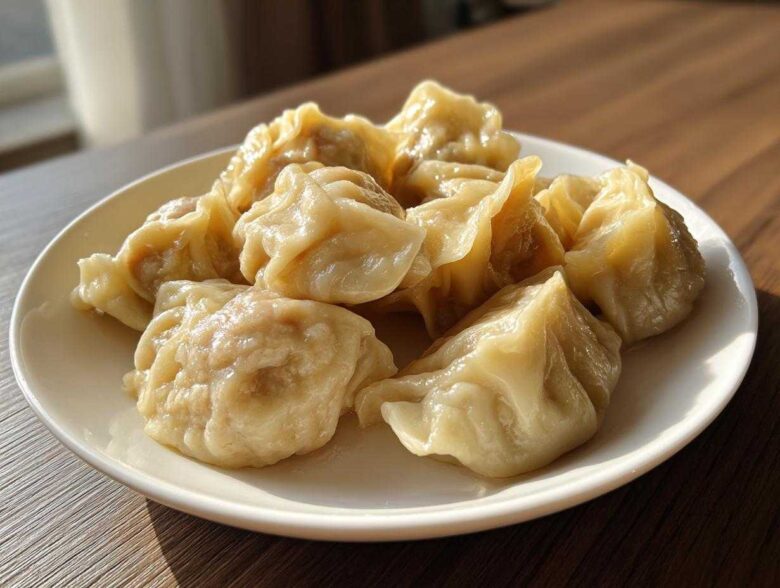
Oh, there’s just nothing that says ‘home’ like the smell of steam rising off a fresh batch of dumplings, is there? When Richard and I were abroad, we sought out these little pockets of comfort everywhere we went. Making Traditional Chinese Dumplings from scratch always felt like the most authentic way to honor a place we visited. Now that we’re home, recreating these meals is how we turn our kitchen into a time machine. I know making wrappers seems scary, but trust me! Our recipe for these Amazing 1-step Traditional Chinese Dumplings gives you that stunning, authentic flavor without needing a whole afternoon. They’re perfect for a cozy night in or gearing up for the Lunar New Year. If you want to know more about our adventures turning memories into recipes, check out our story here.
Why This Traditional Chinese Dumplings Recipe Is Your New Favorite (EEAT Focus)
We’ve made thousands of these over the years, and I promise you, this recipe truly hits the mark. It captures the authentic taste we remember from our travels, but without all the fuss. We designed it to be incredibly satisfying both in flavor and simplicity. These Traditional Chinese Dumplings are sturdy enough for a big family dinner but quick enough for a Tuesday night when you just need comfort food.
- We nail that deep, savory flavor that makes you feel like you are right there in the moment.
- The process for the homemade dumpling wrappers is surprisingly straightforward—you really only need flour and water to start!
- They are absolutely perfect staples for your lunar new year dumplings feast or just when that craving hits.
Don’t let the authenticity scare you; we’ve made this accessible for everyone. You can absolutely do this!
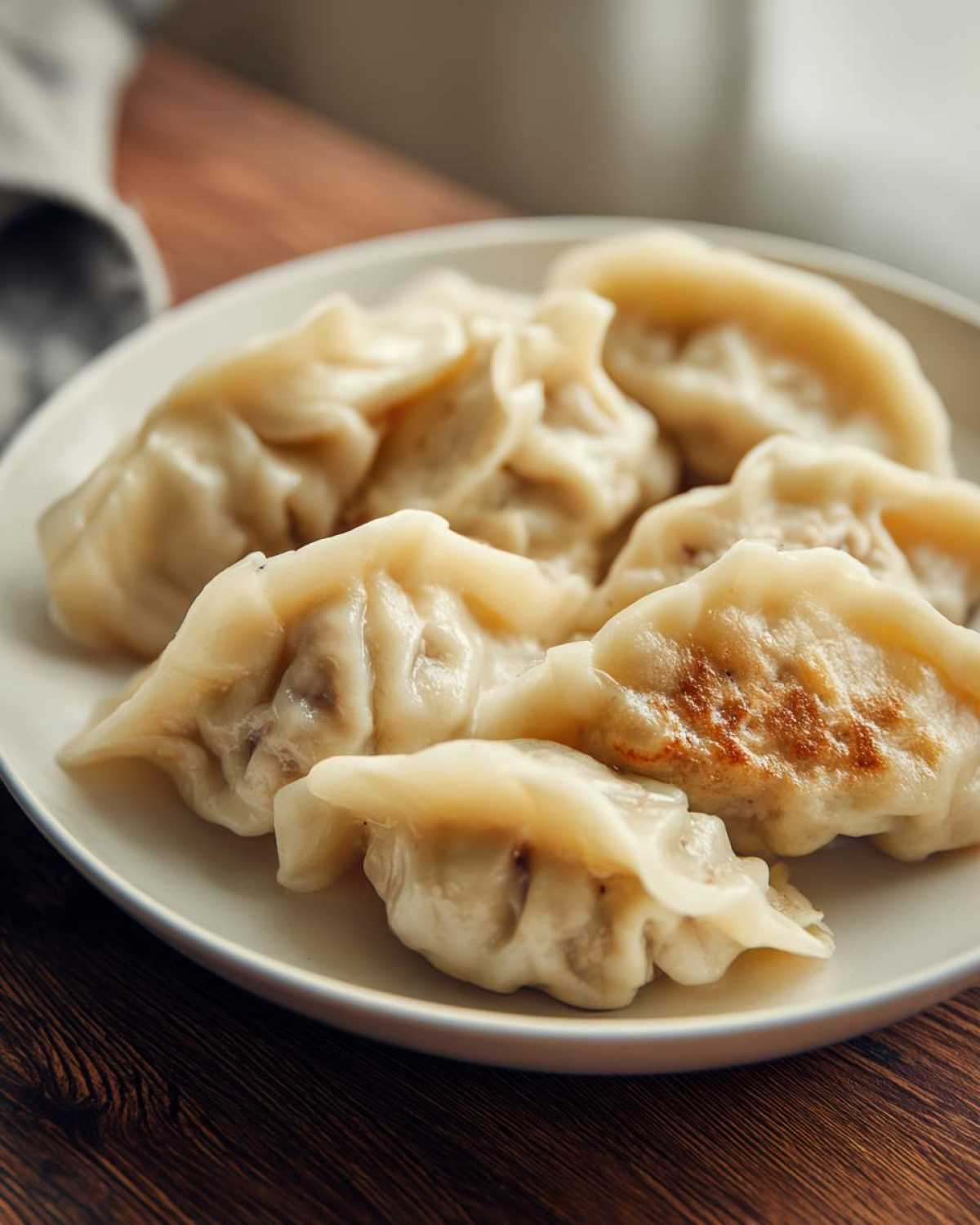
Quick Tips for Amazing Traditional Chinese Dumplings
The secret weapon in the filling is something Richard always reminds me about: patience when mixing the meat. You must stir the pork, cabbage, and seasonings vigorously in only one direction—clockwise or counter-clockwise, just stick to it! This develops the proteins just right, creating that wonderfully springy, cohesive texture that makes a wrapper burst perfectly when you bite into it.
Gathering Ingredients for Authentic Jiaozi (Traditional Chinese Dumplings)
Now that you are excited about making these stunning Traditional Chinese Dumplings, let’s talk about what we need. Making them authentic, like all the best foods we ate on our travels, really starts with good foundation ingredients. We aren’t looking for shortcuts here, especially on flavor! Everything we use for the dough and the filling plays a vital role in achieving that perfect, savory bite.
I always tell folks that the quality of your soy sauce makes a huge difference in how deep the flavor profile becomes. Don’t skimp there if you can help it! Before we even think about wrapping, a tiny taste test of the filling mixture—just a quick microwave zap—is crucial. It’s the one time you can totally adjust salt or ginger before you seal it all up forever.
Homemade Dumpling Wrappers: Flour and Water Ratio
For the dough, you only need two things: all-purpose flour and warm water. That’s it! The key here, and this is Eleanor’s contribution to our method, is the warmth of the water. It helps the gluten relax beautifully. You need just enough water to bring that flour together into a shaggy mass before the real kneading starts. If your dough feels a little too stiff—and it might, depending on your kitchen humidity—just splash in a teaspoon more warm water at a time. We want elasticity so these homemade dumpling wrappers don’t tear later!
The Perfect Pork Cabbage Dumplings Filling
When it comes to the star ingredients for these pork cabbage dumplings, precision matters. Get your Napa cabbage finely chopped, and then the most important thing you will do is salt it and squeeze every drop of moisture out. Soggy cabbage makes for sad, wet dumpling bottoms! For the ground pork, ensure it’s reasonably lean. We balance the richness with aromatic fresh ginger (about one teaspoon grated, don’t go too heavy!) and the savory punch of rice wine and soy sauce. If you are experimenting with seasonings, check out the tips we learned about ingredient balancing when we made those foil packet meals—it applies here too: find that recipe here. That single dash of sesame oil at the end ties it all together perfectly.
Step-by-Step Instructions for Traditional Chinese Dumplings
Alright, deep breath! This is where the magic happens, and honestly, it’s much easier than looking at a photograph of a beautiful steamed dumpling might suggest. We’re going to walk through the dough, the filling, and the wrapping itself. The beautiful thing about these Traditional Chinese Dumplings is the assembly line feel once you get into the rhythm. Just remember to keep the dough covered while you work on the filling so it stays nice and supple.
Making the Dough for Homemade Dumpling Wrappers
Start by combining your flour and warm water. Once it looks like coarse crumbs, turn it out onto your counter. Now for the work! You need to knead this dough for a full eight to ten minutes. Don’t rush it; you’re building the strength for your wrappers. When it’s smooth and springs back softly when poked, wrap it up tightly in plastic or a bowl covered with that damp towel. It absolutely must rest for at least 30 minutes. Honestly, Richard often makes the dough first thing in the morning and lets it sit right on the counter all day—the longer it rests, the easier it rolls out!
Mixing the Pork Cabbage Dumplings Filling
Remember how I mentioned mixing the filling in one direction? This is crucial for those tender pork cabbage dumplings. Once your cabbage is squeezed bone-dry, mix it gently into the ground pork. Then, add all your liquids and seasonings. Now, get vigorous! You need to mix it hard, always stirring the same way, until the mixture starts to get a little tacky and sticky against the bowl. That means the protein has tightened up, and those dumplings won’t fall apart when you boil them. It’s a little bit of elbow grease, but it’s how we get that authentic texture.
How to Pleat and Seal Your Traditional Chinese Dumplings
Once your dough has rested, slice it into small ropes and cut little chunks. Roll each chunk into a thin circle—this is your homemade wrapper. Don’t stress about perfection; slightly uneven wrappers are just proof they’re handmade! Pop about a teaspoon of that gorgeous filling right in the middle. Then, take a tiny bit of water on your finger and trace the edge. Fold it in half to make a nice half-moon and then start crimping or pleating along that sealed edge. You want a really tight seal so the delicious juices stay inside your Traditional Chinese Dumplings while they cook.
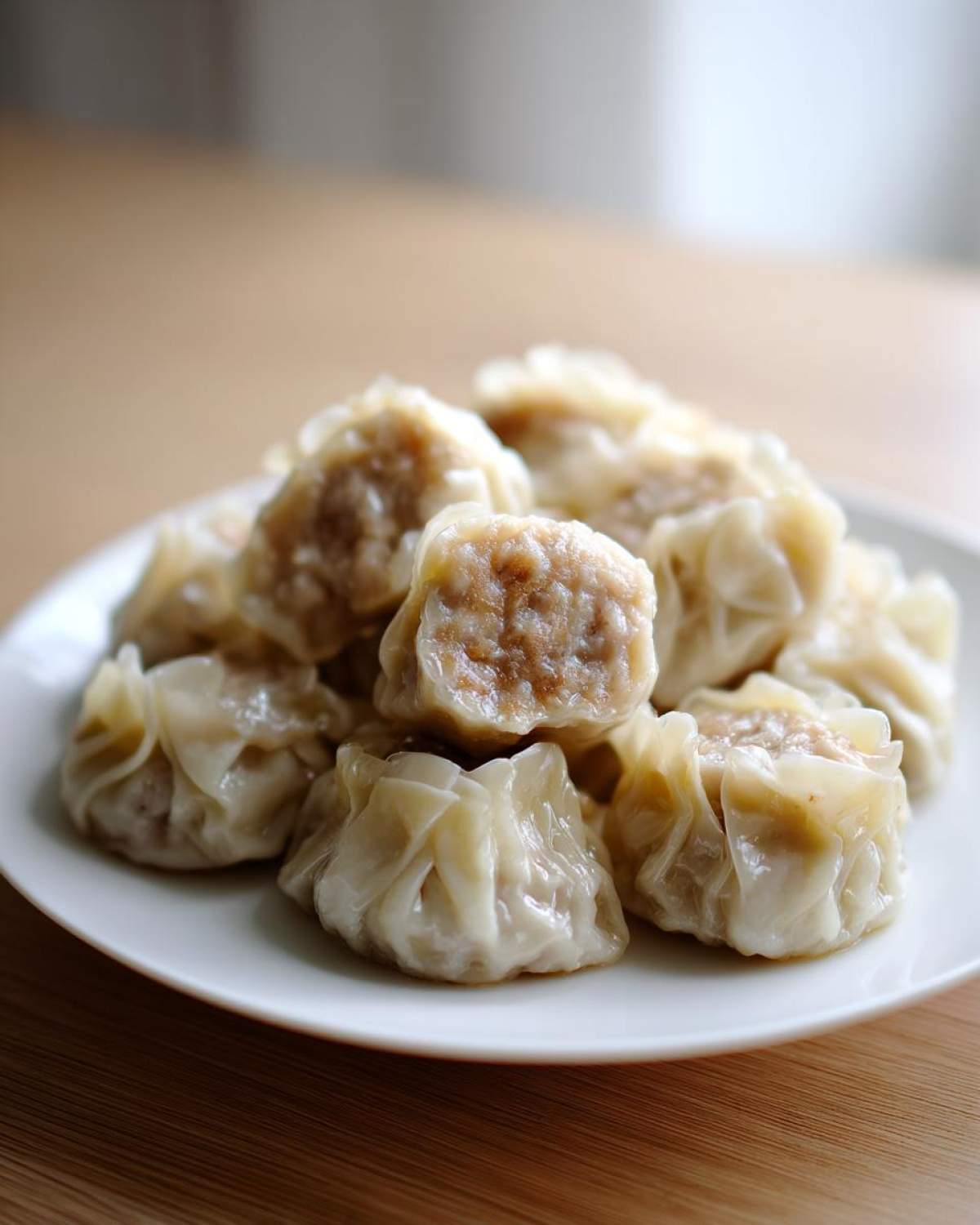
Cooking Boiled Chinese Dumplings to Perfection
When you are ready to eat, bring a huge pot of water to a roaring, rolling boil. Taste your water; it should be quite salty. Gently drop your sealed dumplings in, stirring immediately but carefully so they don’t glue themselves to the bottom of the pot. They will sink at first. Don’t panic! Once they start cooking, they will all bob up to the surface. Let those boiled Chinese dumplings simmer for about five to seven minutes after they float. When the wrappers look slightly puffy and a little transparent, grab them out with a slotted spoon. That’s how you know they are done!
Variations: Beyond Boiled Chinese Dumplings
While Richard and I adore the clean, delicate flavor of boiled Chinese dumplings—that’s how we always had them when grabbing quick street food in Beijing—I know sometimes you want a little crispiness! If you’re looking for a different texture, swapping over to pan-fried dumplings, or potstickers, is so easy with this same recipe.
You do everything exactly the same way up until the cooking step. Instead of dropping them into boiling water, grab a non-stick skillet and put in just a slick of oil—not too much, just enough to coat the bottom. Heat that over medium-high heat until the oil shimmers slightly. Then, arrange your pleated dumplings in the pan so they aren’t touching. I like to arrange them with the pleated edges facing up.
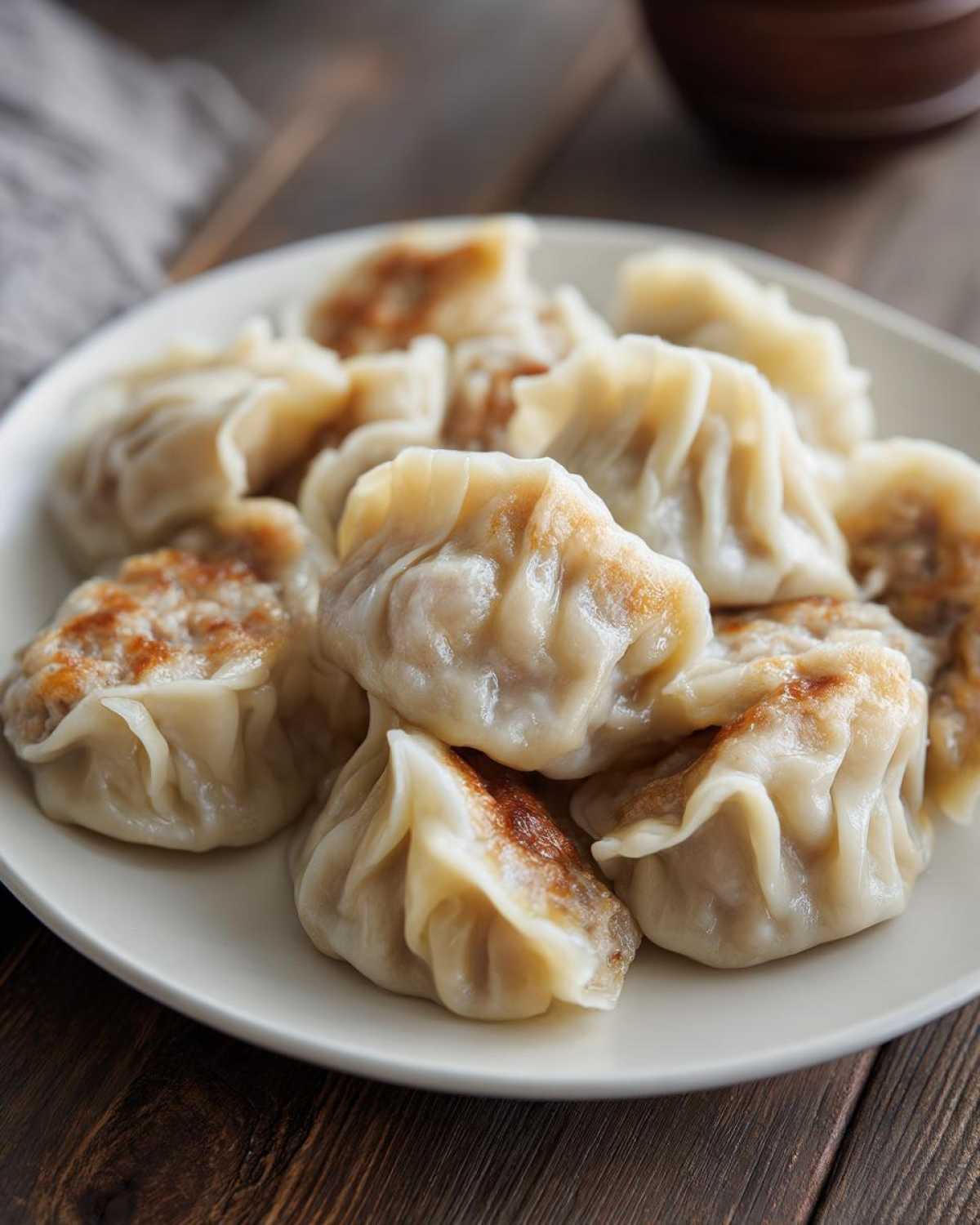
Let those bottoms sizzle until they are gorgeously golden brown. This usually takes just three or four minutes. Once you see that deep color, you add about a half-cup of water to the pan and immediately slap a tight lid on it! That water turns to steam, trapping the heat and cooking the pork filling through and softening the rest of the wrapper. Once the water has evaporated, the bottoms will be perfectly crunchy, and the filling will be steamed. It’s the best of both worlds! If seeing the results of that steaming element makes you curious about other methods, we have a wonderful post on steamed pork and scallion dumplings that uses a similar approach.
Making Traditional Chinese Dumplings Freezer Friendly
Oh, this is one of my favorite parts, and it’s what makes these dumplings perfect for your busy life! Richard and I made huge batches of these Traditional Chinese Dumplings when we first came home so we could enjoy that taste of travel memory anytime we wished. Having a stash of ready-to-go meals is a lifesaver, and these freeze like a dream. The trick—and this is important—is to make sure they never touch each other before they are totally frozen solid, or else you’ll end up with one giant, spicy meat-lump!
First things first: Only freeze them *after* you have assembled them but *before* you cook them. You want the raw, pleated dumplings ready to go. Grab a sturdy baking sheet—one that fits in your freezer drawer easily—and line it with parchment paper. If you don’t have parchment, wax paper works in a pinch, but parchment is less likely to stick. Lay your dumplings out evenly across the sheet, making sure there’s a little breathing room between each one. This is the flash freeze step!
Pop that whole sheet into the deepest, coldest part of your freezer for about an hour or two, until every single dumpling is rock hard. Once they are solid, you can grab them off the paper. Now, you just transfer your frozen gems into a heavy-duty freezer bag, squeeze out as much air as you can, and seal them up tight. They’ll keep beautifully for months. When you are ready to eat, just drop those frozen beauties right into boiling water—you’ll just need to add an extra minute or two to the cooking time compared to fresh ones. See? Easy peasy! Now you always have freezer friendly dumplings ready for a quick meal.
Serving Suggestions for Your Authentic Jiaozi
Now that you’ve wrapped up a pile of perfection, the last step before diving in is the dipping sauce! Richard always laughs because no matter where we were—from a tiny dumpling stall in Shanghai to a fancy restaurant in Vancouver—the best dips were shockingly simple. They were always designed to enhance that savory pork cabbage filling, not overpower it. You just don’t need a complicated menu of options when the dumpling itself is this flavorful.
For us, the perfect accompaniment is always a trio of simple liquids. You want a good quality, dark soy sauce as your base. Then, add a splash of Chinese black vinegar—that rich, malty kind really cuts through the richness of the pork so beautifully. If you like a little heat, a few drops of chili oil is all you need. We used to add crispy chili flakes to ours that had been infused with aromatics; it was just heaven.
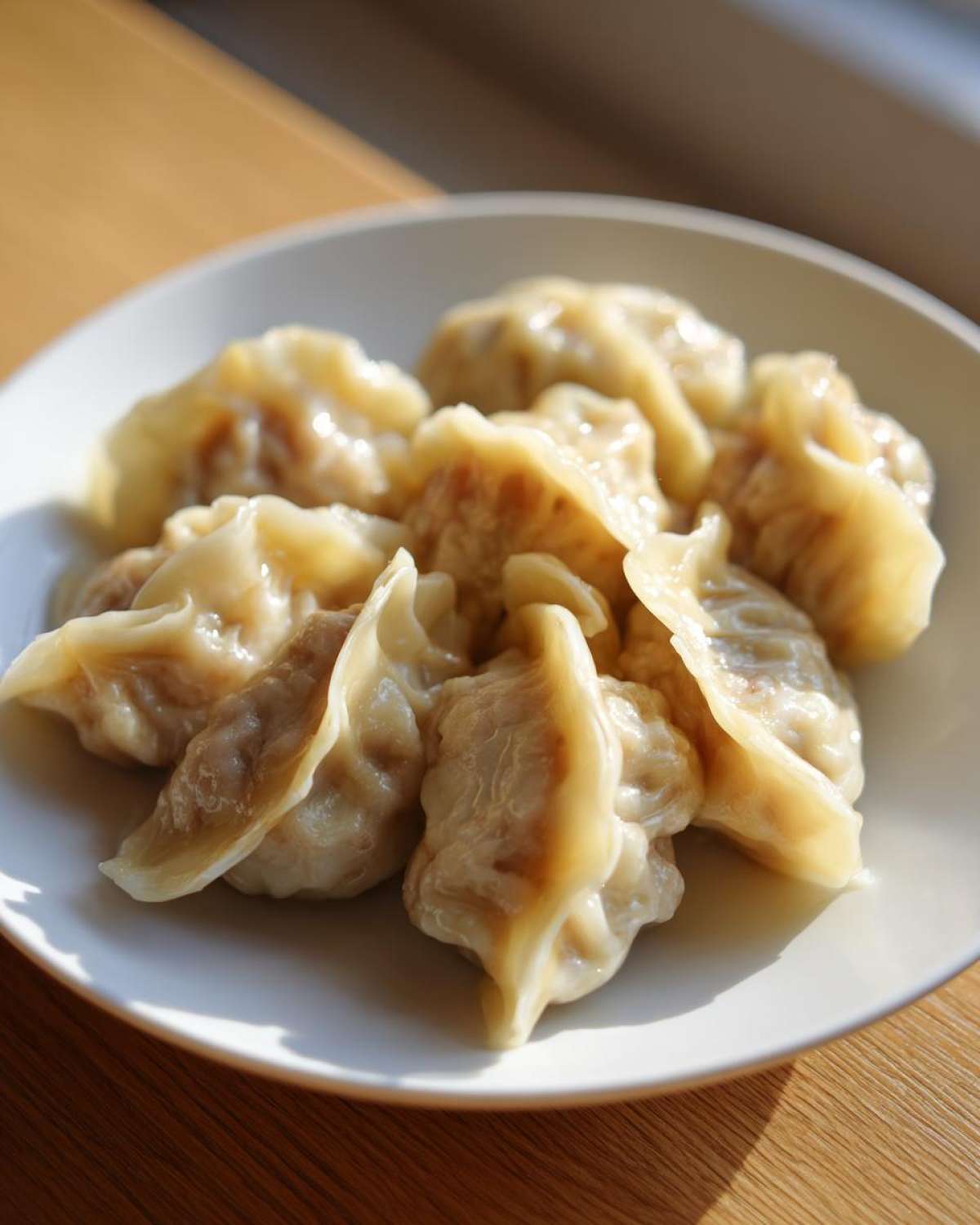
I also like to mix in a tiny bit of grated fresh ginger or some thinly sliced scallions right into the sauce bowl, just for that fresh pop of brightness. That’s it! No mayonnaise, no heavy sweet bases—just pure, bright flavors that complement the pork cabbage dumplings. If you ever feel like putting a fresh spin on a classic accompaniment, perhaps thinking about the bright flavors we use in our homemade guacamole might inspire a fun, zesty twist in your dipping sauce sometime!
Frequently Asked Questions About Traditional Chinese Dumplings
We get so many wonderful questions from folks trying out this recipe for the first time, and I love hearing what you are all up to in your kitchens! It reminds me of when Richard and I first started documenting our travels through food. Making these at home is such a rewarding journey. Below are a few things that come up most often when people are tackling their very first batch of Traditional Chinese Dumplings.
Can I use store-bought wrappers for these pork cabbage dumplings?
Oh, absolutely you can! We know sometimes you’re short on time, and that’s okay. If you’re using store-bought, look for the round wonton or dumpling wrappers labeled for boiling or steaming. That said, I have to tell you, the flavor and texture of these pork cabbage dumplings just sing when they have the homemade wrappers. The homemade ones get this perfect chewiness that you just can’t replicate with the pre-packaged kind. If you use bought ones, make sure your filling isn’t too wet or they might tear!
What is the best way to reheat leftover boiled Chinese dumplings?
This is a dilemma we face often because they are so good we usually eat them all in one go! If you have leftovers, the very worst thing you can do is microwave them—they turn rubbery so fast! The best method is steaming. Pop them into a steamer basket over simmering water for about five minutes. If you don’t have a steamer, you can do a quick pan-fry, just like the potsticker method. Add a tiny slick of oil to a non-stick pan, place the boiled Chinese dumplings in, and let them brown slightly on the bottom, then add just a splash of water and cover until the water evaporates and the inside is hot. They’ll taste almost brand new!
Are these dumplings appropriate for Lunar New Year celebrations?
They are more than appropriate—they are traditional! Making a massive batch of lunar new year dumplings is one of the most important customs associated with the holiday in many families. The shape is meant to resemble ancient Chinese money, symbolizing prosperity for the coming year. It’s a wonderful activity to do together, just like Richard and I used to gather when we were teaching the grandkids how to make them. So, yes, please plan a dumpling party!
For more cooking inspiration or to see what else we’re documenting in our kitchen diary, feel free to browse our main blog page!
Nutritional Estimates for Traditional Chinese Dumplings
As we are recreating recipes from memory and focusing on flavor and tradition, we always run the final recipe through a few checkers just to give you an idea of what you’re putting into your body. Please remember that these numbers are just estimates based on the ingredients listed above—the exact sodium and fat can change depending on your brand of pork or soy sauce. But here’s a general snapshot for about five of these savory Traditional Chinese Dumplings made with our pork and cabbage recipe:
- Serving Size: 5 dumplings
- Calories: 280
- Fat: 14g
- Saturated Fat: 5g
- Unsaturated Fat: 9g
- Trans Fat: 0g
- Carbohydrates: 24g
- Protein: 15g
- Sugar: 2g
- Fiber: 1g
- Cholesterol: 55mg
- Sodium: 450mg
Share Your Journey Making Authentic Jiaozi
We put so much love and memory into sharing these recipes, and I truly hope they bring that warm, comforting feeling to your kitchen tables. Richard always says that a recipe isn’t truly finished until someone else has tried it and made it their own! So, once you’ve tried your hand at making these wonderful authentic jiaozi, do us a favor!
Come back here and give the recipe a five-star rating if you loved it. Even better, tell us about your experience in the comments below. Did your dough rest perfectly? Did you master the pleats on your first try? We absolutely adore hearing about your successes and any little hurdles you overcame. Think of it as adding your small entry to our ongoing Delish Diary! If you ever need to reach out with a specific question, you can always find the best way to get in touch with us on our contact page.
PrintAuthentic Pork and Cabbage Jiaozi (Traditional Chinese Dumplings)
Make delicious homemade Chinese dumplings with scratch wrappers filled with savory pork and cabbage. This recipe guides you through wrapping and cooking boiled Chinese dumplings perfect for any meal.
- Prep Time: 45 min
- Cook Time: 10 min
- Total Time: 55 min
- Yield: 4 servings
- Category: Dinner
- Method: Boiling
- Cuisine: Chinese
- Diet: None
Ingredients
- 2 cups all-purpose flour
- 3/4 cup warm water (plus more if needed)
- 1 pound ground pork
- 3 cups finely chopped Napa cabbage
- 1/4 cup chopped scallions
- 2 tablespoons soy sauce
- 1 tablespoon Shaoxing rice wine
- 1 teaspoon sesame oil
- 1 teaspoon grated fresh ginger
- 1/2 teaspoon salt
- 1/4 teaspoon white pepper
Instructions
- Make the dough: Combine the flour and warm water in a bowl. Mix until a shaggy dough forms, then knead on a lightly floured surface for 8 to 10 minutes until smooth. Cover the dough and let it rest for at least 30 minutes.
- Prepare the filling: Place the chopped cabbage in a bowl and sprinkle with a pinch of salt. Let it sit for 10 minutes, then squeeze out as much liquid as possible.
- In a separate large bowl, combine the ground pork, squeezed cabbage, scallions, soy sauce, rice wine, sesame oil, ginger, salt, and white pepper. Mix the filling thoroughly in one direction until it becomes sticky.
- Assemble the dumplings: Divide the rested dough into four equal pieces. Roll each piece into a long rope and cut into 1-inch pieces. Roll each piece into a thin circle (about 3 inches in diameter) for your homemade dumpling wrappers.
- Place about 1 teaspoon of filling in the center of a wrapper. Moisten the edges with water. Fold the wrapper in half over the filling to create a half-moon shape. Crimp and pleat the edges to seal securely.
- Cook the dumplings: Bring a large pot of water to a rolling boil. Gently drop the dumplings into the boiling water, stirring gently so they do not stick to the bottom.
- Cook for 5 to 7 minutes, or until the dumplings float to the surface and the wrappers look slightly translucent. Remove with a slotted spoon.
Notes
- For freezer friendly dumplings: Arrange uncooked dumplings on a baking sheet lined with parchment paper, ensuring they do not touch. Freeze until solid, then transfer to a freezer bag. Cook directly from frozen, adding a few extra minutes to the cooking time.
- If you prefer pan-fried dumplings (potstickers), cook them in a lightly oiled skillet until the bottoms are golden brown, then add a small amount of water, cover, and steam until cooked through.
- Taste your filling mixture before wrapping to adjust seasoning if needed.
Nutrition
- Serving Size: 5 dumplings
- Calories: 280
- Sugar: 2
- Sodium: 450
- Fat: 14
- Saturated Fat: 5
- Unsaturated Fat: 9
- Trans Fat: 0
- Carbohydrates: 24
- Fiber: 1
- Protein: 15
- Cholesterol: 55