

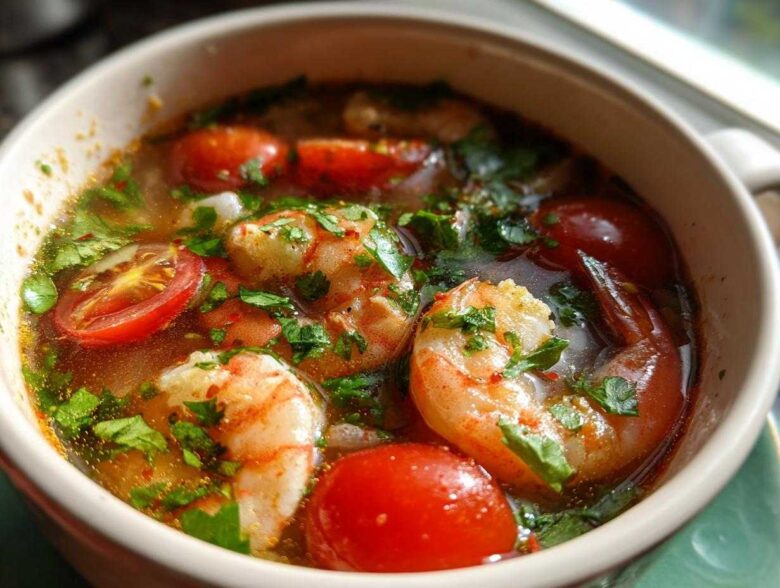
Honestly, nothing cuts through the noise of a long day like proper Thai food, right? That electric zing and heat just wakes everything up! If you’ve been hesitant to try making tom yum soup at home because you thought it required a secret Thai chef, stop right there! This version, my favorite version of Tom Yum Goong, delivers that authentic, perfectly balanced spicy and sour punch you crave in just 35 minutes total. I’m telling you, making this incredible hot and sour soup in your own kitchen is so much easier than you think. You can check out all my latest tips over at my main blog page while we get cooking. Trust me, once you smell the lemongrass bubbling, you’ll be hooked on making homemade Thai food!
Why This Authentic tom yum soup Recipe Works (EEAT)
Look, the secret to genuine tom yum soup isn’t complicated spices; it’s about the quality and freshness of the aromatics. That’s what separates a fantastic bowl from one that just falls flat. We aren’t messing around with dried powders here! Using fresh lemongrass, galangal, and those crinkly kaffir lime leaves is non-negotiable for that unmistakable Thai aroma when you lift the lid. This combination creates a vibrant, fragrant base that your standard hot and sour soup just can’t touch. It builds major flavor authority, and you can trust me on this one—it makes all the difference in your final tom yum soup experience!
Achieving the Perfect Spicy and Sour Balance in tom yum soup
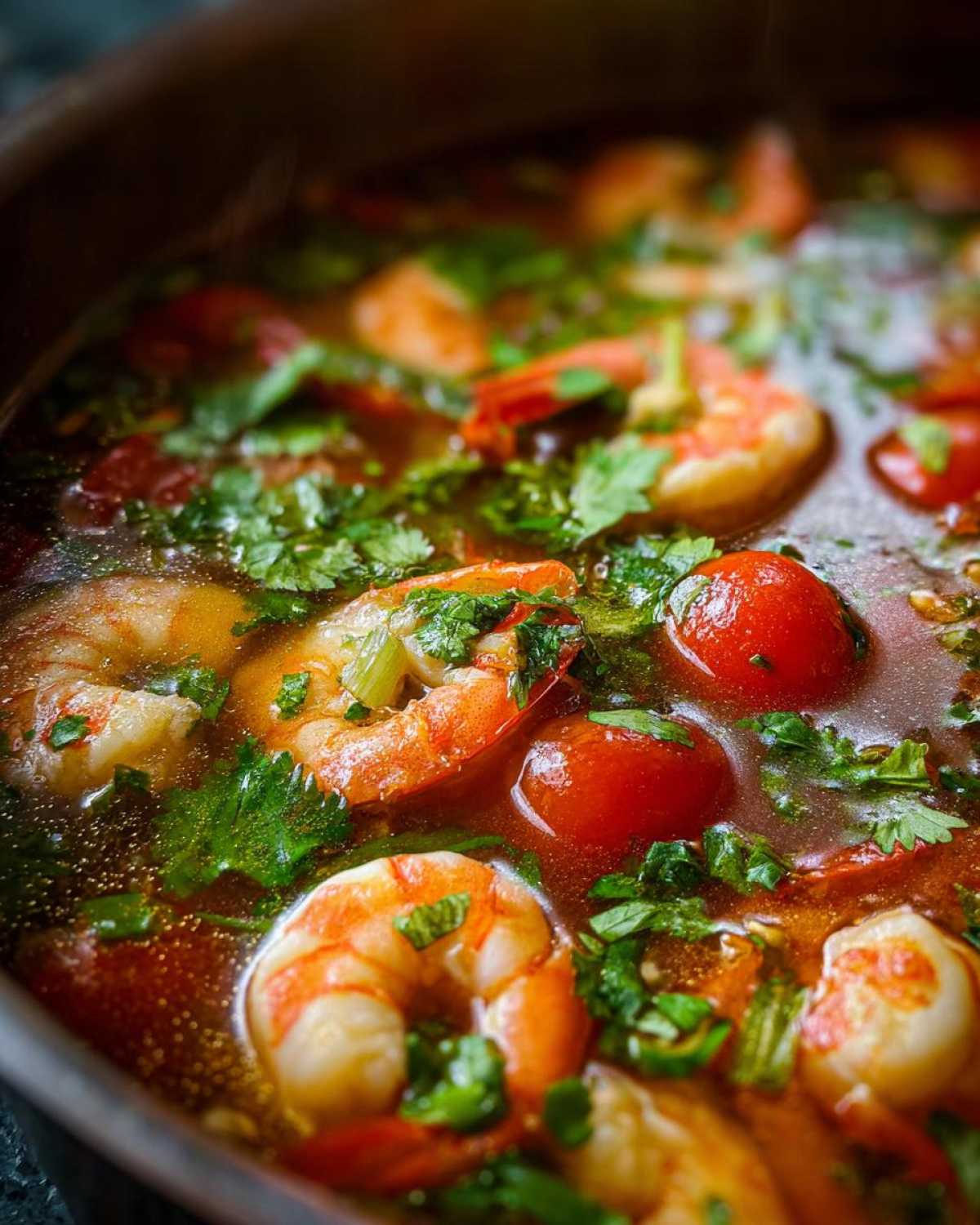
This soup demands that beautiful dance between tart and heat, which is why seasoning happens last. The lime juice provides that sharp, clean sourness, while the crushed Thai chilies and the chili paste bring the fire. You absolutely must remove the pot from the heat before adding the lime juice to keep it bright and zesty. That final taste test is where you become the boss of your tom yum soup. Add a touch more fish sauce if it feels dull, or another squeeze of lime if it needs more tang. It’s the moment you lock in that perfect spicy and tangy soup profile!
Essential Ingredients for Flavorful tom yum soup
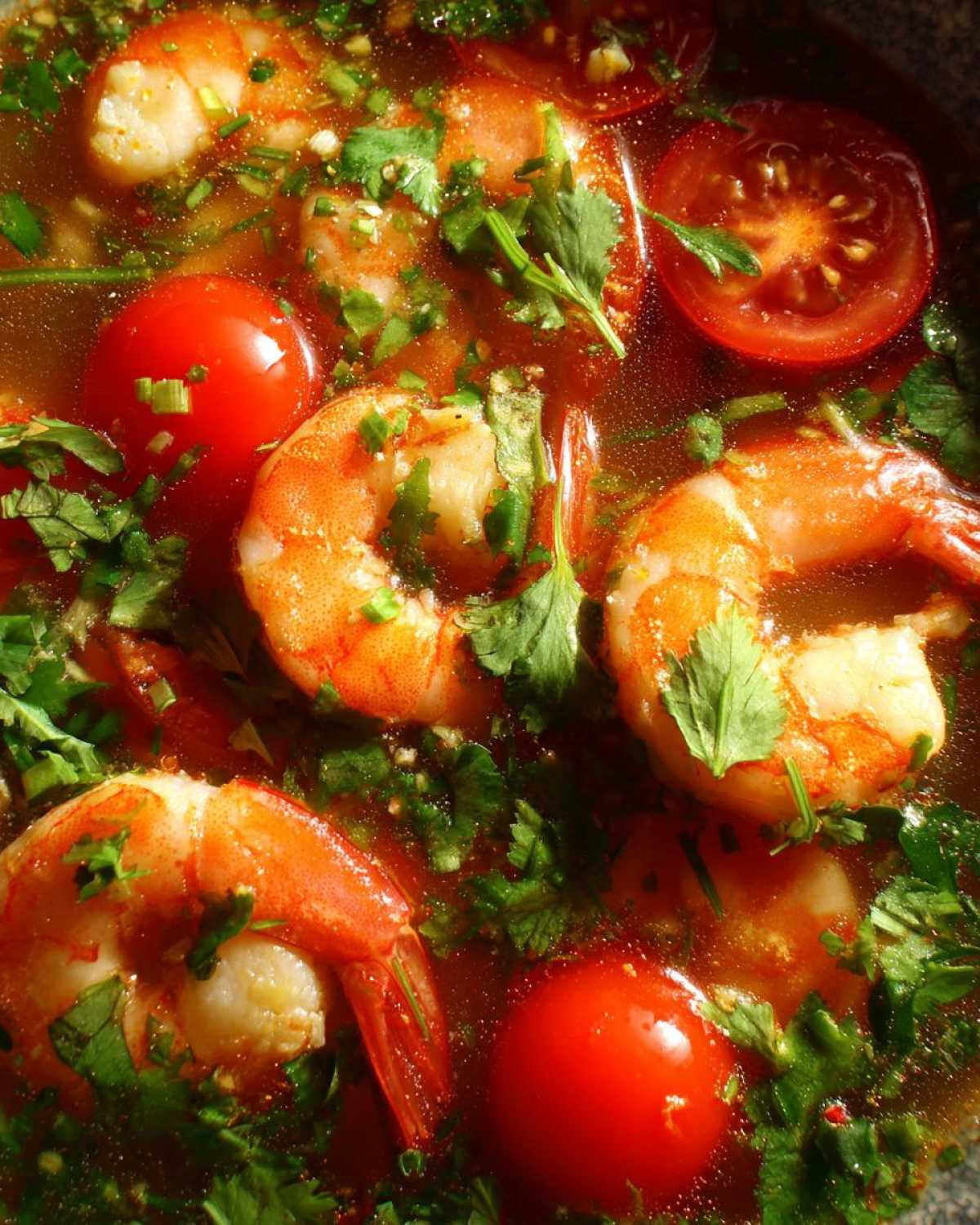
Okay, time to talk about the cast of characters that make this tom yum soup sing! It all comes down to the ‘holy trinity’ of Thai aromatics. You absolutely need fresh lemongrass, galangal, and those crinkly kaffir lime leaves. Don’t skip that initial prep work—bruise your lemongrass stalks hard and cut them into two-inch chunks so they can really release that citrusy perfume into the broth. We’re also using plump shrimp, straw mushrooms, and those sweet little cherry tomatoes for color and body. Grab your fish sauce, sugar, fresh lime juice, and don’t forget the secret weapon: chili paste in oil, or *Nam Prik Pao*. When you look at these ingredients, you’re looking at the heart of every Thai soup recipe!
- 6 cups chicken or vegetable broth
- 1 pound large shrimp, peeled and deveined
- 2 stalks lemongrass, bruised and cut into 2-inch pieces
- 1 inch galangal, thinly sliced
- 5 kaffir lime leaves, torn
- 1 cup straw mushrooms, halved
- 1/2 cup cherry tomatoes, halved
- 2-3 Thai chilies, crushed (adjust to heat preference)
- 3 tablespoons fish sauce
- 3 tablespoons lime juice, fresh
- 1 teaspoon sugar
- 1/4 cup cilantro, chopped, for garnish
- 1 tablespoon chili paste in oil (Nam Prik Pao)
Ingredient Notes and Substitutions for tom yum soup
If you’re hunting for galangal and coming up short, I get it! Ginger is your emergency stand-in for this spicy Asian soup, but just know the flavor changes slightly—galangal is sharper, less sweet. The chili paste in oil (*Nam Prik Pao*) is essential; it adds depth, smokiness, and color that you can’t replicate with just fresh chilies alone. For the best flavor, though, I highly recommend checking out some specialty Asian markets! If you’re looking where to buy these amazing supplies, I’ve shared tons of info on where to find good lemongrass and the best spots for galangal online.
Step-by-Step Instructions for Restaurant-Style tom yum soup
Making this wonderful tom yum soup is really just two main stages: making the magic broth, and then getting the shrimp cooked just right. You’ll see that the total cook time is super fast, especially since we aren’t hanging around waiting for hours! This recipe is perfect for those nights you need a quick dinner soup that tastes like you spent all afternoon tending the flame. As you can see from my notes on planning quick weeknight soups, timing is everything.
- Combine broth, lemongrass, galangal, and kaffir lime leaves in a pot. Bring to a boil, then reduce heat and simmer for 10 minutes to infuse the flavors.
- Strain the broth to remove the solids (lemongrass, galangal, lime leaves) for a clearer soup, or leave them in for a more rustic texture. Return the broth to the pot.
- Add the mushrooms, tomatoes, and crushed chilies to the simmering broth. Cook for 3 minutes.
- Add the shrimp and cook until they turn pink and opaque, about 2-3 minutes. Do not overcook.
- Remove the pot from the heat. Stir in the fish sauce, lime juice, sugar, and chili paste in oil until dissolved.
- Taste the soup and adjust seasoning; add more lime juice for sourness or fish sauce for saltiness.
- Ladle the soup into bowls and garnish with fresh cilantro before serving immediately.
Infusing the Flavor Base for tom yum soup
Okay, this first simmering step is where all the beautiful work happens for your tom yum soup. Get your broth simmering with all those lovely Thai aromatics—that’s the lemongrass, galangal, and kaffir lime leaves. Let it bubble gently for a full 10 minutes! That time lets the soup absorb everything. Now, here’s your choice: if you like a super refined broth, strain everything out; I often do, but honestly, leaving the bits in gives you a far more rustic, authentic vibe!
Cooking the Shrimp and Final Seasoning in tom yum soup
Once your base is flavored, it’s time for the shrimp! Seriously, keep an eye on them; shrimp go from perfectly cooked to rubbery in about 30 seconds flat. You only need about 2 to 3 minutes until they turn lovely and pink. Once they’re done, pull the whole pot *off* the heat immediately. This is my biggest tip for stellar tom yum soup: you add the acid—the lime juice—off the heat. If you boil the lime juice, you lose that vibrant, zesty tang that makes this soup famous! That final stir-in of fish sauce and chili paste sets the whole thing right.
Tips for the Best tom yum soup Experience
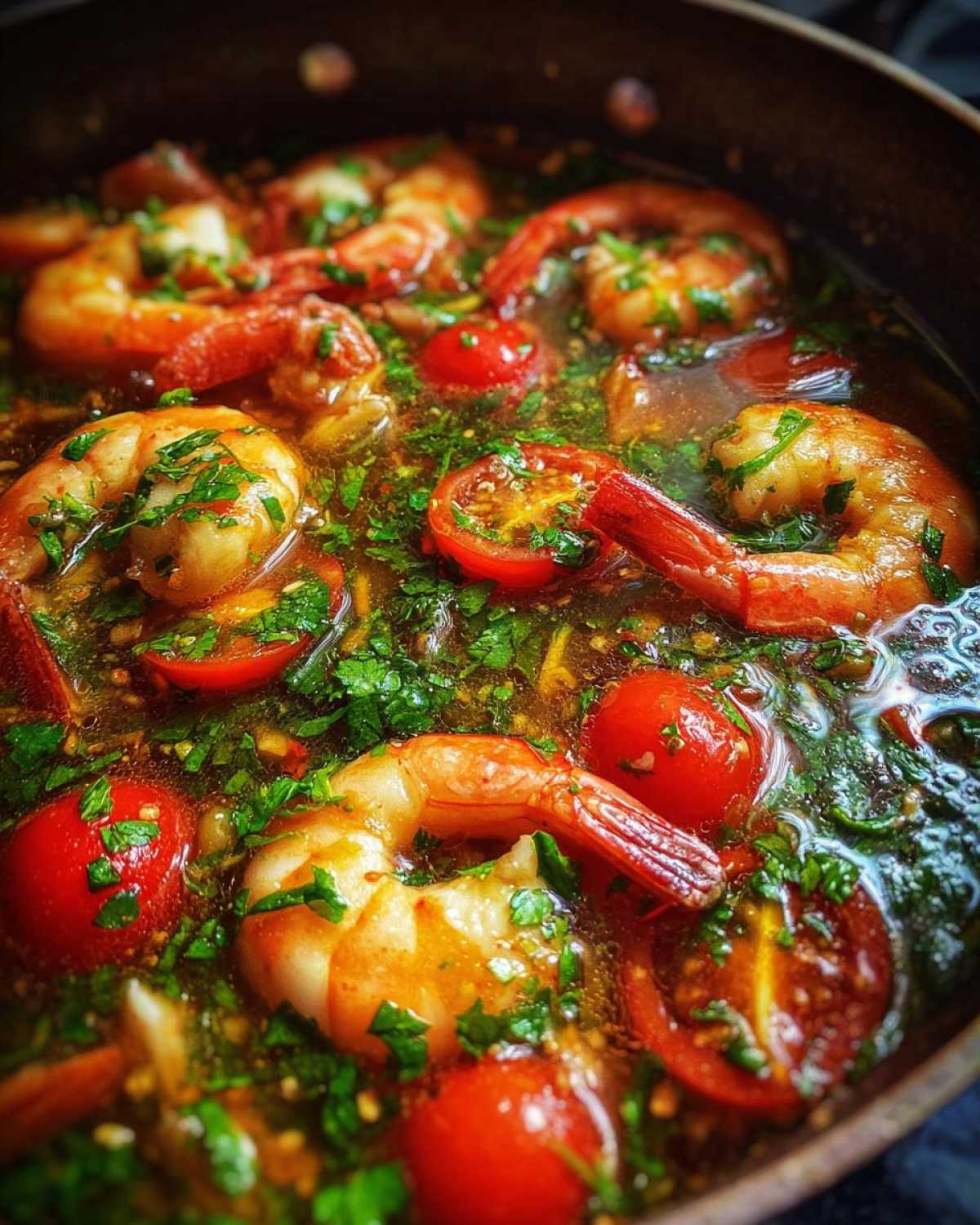
If you want your tom yum soup to taste exactly like it did at that amazing little restaurant downtown, I have a couple of insider secrets for you! First up, if you buy fresh shrimp, *please* don’t toss the shells and heads! Throw those into your broth right at the beginning with the aromatics and simmer them for the full 10 minutes. Then, strain them out. You get this incredibly rich, sweet shrimp flavor permeating your broth—it’s how you build that deep flavorful Thai broth without adding any heavy fats. It takes an extra two minutes of effort and makes a world of difference.
Also, remember how I stressed straining the aromatics earlier? Doing that gives you that beautiful, clear soup. If you enjoy the texture of the bits floating around, that’s fine, totally your call! But for that restaurant-style clarity in your hot and sour soup, strain it well. Don’t forget to check out how I build strong bases on my broth building guide for more foundation tips for your spicy and tangy soup!
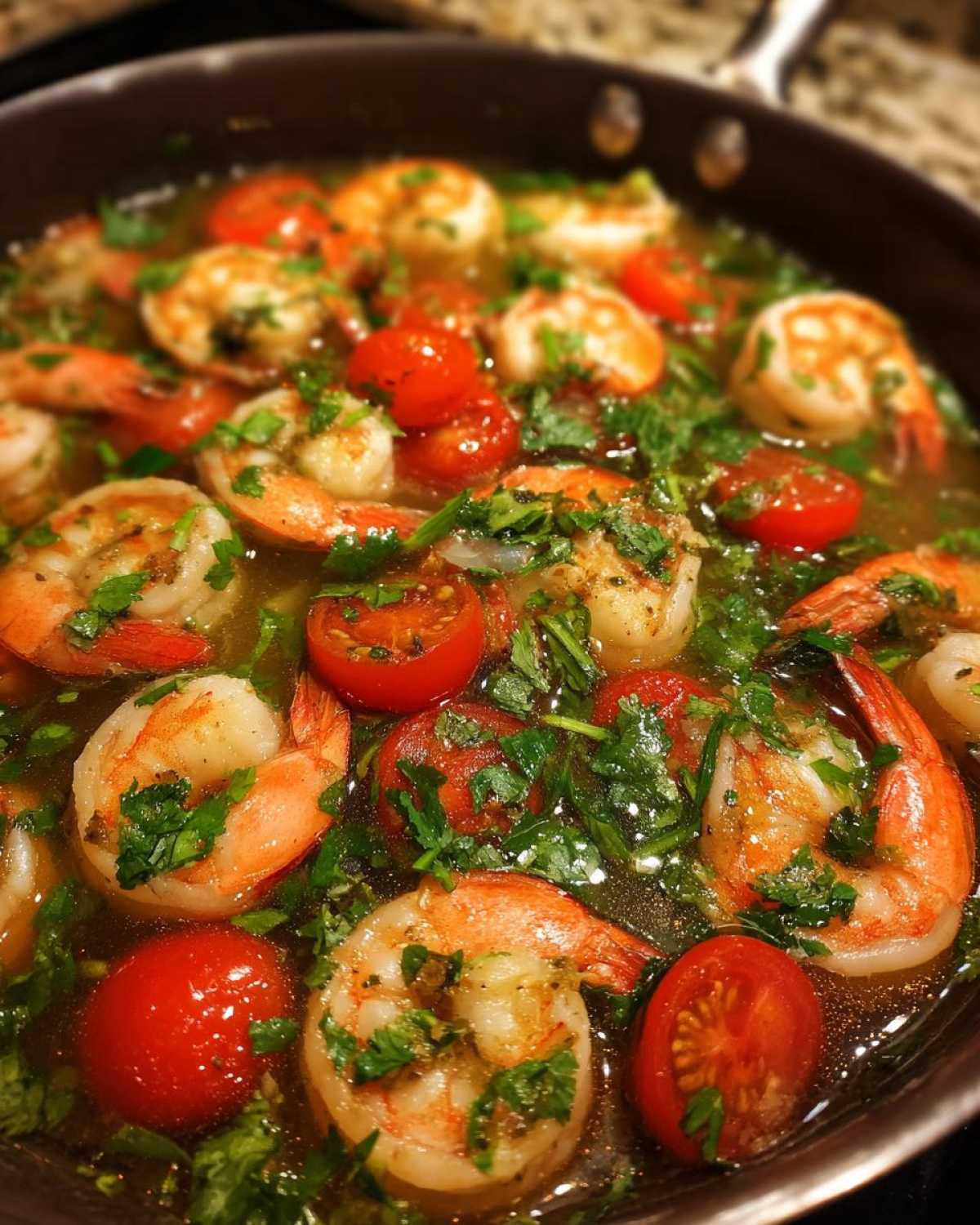
Variations on Classic tom yum soup
While I absolutely adore this classic Tom Yum Goong, sometimes you need to switch things up depending on what’s in the fridge! Don’t feel restricted—the magic flavor base is what matters most. If shrimp isn’t your thing, making Tom Yum Gai (chicken version) is simple. Just swap the shrimp for thinly sliced chicken breast and add it during the mushroom stage so it has time to cook through in the simmering broth.
Even better, we can make an amazing vegetarian or vegan tom yum soup! For that, use a rich vegetable broth instead of chicken broth, which you’ve already got covered by using veggie broth in the main recipe. Skip the fish sauce and replace it with extra sugar and maybe a teaspoon of soy sauce or mushroom seasoning for that deep umami note that fish sauce usually brings. It keeps that signature spicy and sour profile, making it one of my favorite easy Thai recipes to whip up when I’m short on time. I’ve got loads more ideas for adaptable meals on my easy recipe page!
Serving Suggestions for this Spicy and Sour tom yum soup
You absolutely must serve this tom yum soup the second it’s ready! It loses some of that vibrant pop if it sits around, so get those bowls ready right away. The intense spicy and sour flavor is divine on its own, but it really shines alongside something neutral to soak up that incredible broth. I always pair it with a big bowl of perfectly steamed jasmine rice—it’s the classic way for a reason! If you want something a little heartier, some thin rice noodles soften up nicely in the bowl, too. For more ideas on putting together a full spread of homemade Thai food, take a peek at my guide to building the ultimate Thai dinner!
Storage and Reheating tom yum soup
It’s a little sad when you have leftovers of this incredible tom yum soup, but it’s good news that it keeps! If you know you’ll have extras, try to strain the shrimp out of the broth before storing. Shrimp, even when perfectly cooked, tends to get a little tough if you reheat it too aggressively. Store the broth and the shrimp separately in airtight containers in the fridge for up to two days.
When you’re ready to eat it again, just warm the broth gently on the stove, add the shrimp back in for about 30 seconds to warm them through, and then taste for seasoning again before serving! You might need a splash more lime juice for that wonderful zing.
Frequently Asked Questions About tom yum soup
How can I make this tom yum soup milder if I can’t handle too much spice?
That’s totally understandable! Not everyone wants a firecracker in their bowl. To control the heat in your tom yum soup, the best thing you can do is adjust the raw Thai chilies. When you crush them in Step 3, just use one chili, or skip them entirely. The bulk of the heat comes from the chili paste in oil (*Nam Prik Pao*). Usually, 1 tablespoon is perfect, but if you need a milder spicy and tangy soup, try using just half a tablespoon and taste before adding more. You can always add heat later, but you can’t take it away!
I can’t find galangal. Can I just use regular ginger in this Thai soup recipe?
Yes, you absolutely can use ginger, but listen—it changes the flavor profile of your true Tom Yum Goong, so be ready for that! Ginger is much sharper and has a distinctly different, almost sweeter earthiness than galangal. Galangal is crucial because it has notes of pine and citrus that really belong in a classic lemongrass soup. If you use ginger, it will still be a delicious hot and sour soup, just not the traditional flavor you’d find on a street cart in Bangkok. I’ve actually got a whole deep dive on essential Thai aromatics if you want to check out the differences up close!
What exactly is Nam Prik Pao, and why is it in this Shrimp Soup Recipe?
Ah, Nam Prik Pao! This is the magic ingredient that makes this shrimp soup recipe taste like it came from a top-notch restaurant. It’s a Thai chili paste made with roasted chilies, garlic, shallots, and oil—it’s rich, smoky, and slightly sweet. It doesn’t just add spice; it adds body and depth of flavor to your stock. Skipping it makes your tom yum soup taste thin. If you can’t find it, you’ll miss that signature smoky undertone!
Can I use chicken broth if I don’t have shrimp shells to make a quick stock?
Definitely! The recipe calls for 6 cups of broth, and I suggest chicken or vegetable broth as the sturdy base. While using the shrimp shells yields the ultimate flavorful Thai broth, don’t stress if you don’t have them. Using a good quality store-bought broth gets you 90% of the way there, especially since we are loading it up with all those amazing fresh aromatics. It keeps this a wonderful weeknight Asian meal!
Nutritional Estimate for tom yum soup
Now, I know some of you are tracking things closely, so here is a quick look at what’s in this batch of tom yum soup! Remember, these numbers are just estimates based on my ingredient calculations for four servings. It’s a super healthy bowl, usually clocking in at around 150 calories per serving, packed with about 20 grams of protein from the shrimp, and naturally low in fat for a truly light bite. Enjoy this fantastic spicy and sour soup guilt-free!
- Serving Size: 1.5 cups
- Calories: 150
- Fat: 3g
- Protein: 20g
- Carbohydrates: 12g
Authentic Tom Yum Goong (Spicy and Sour Shrimp Soup)

Make authentic Tom Yum Goong, a classic Thai hot and sour soup featuring shrimp, lemongrass, galangal, and kaffir lime leaves.
- Prep Time: 15 min
- Cook Time: 20 min
- Total Time: 35 min
- Yield: 4 servings
- Category: Soup
- Method: Stovetop Simmering
- Cuisine: Thai
- Diet: Low Fat
Ingredients
- 6 cups chicken or vegetable broth
- 1 pound large shrimp, peeled and deveined
- 2 stalks lemongrass, bruised and cut into 2-inch pieces
- 1 inch galangal, thinly sliced
- 5 kaffir lime leaves, torn
- 1 cup straw mushrooms, halved
- 1/2 cup cherry tomatoes, halved
- 2-3 Thai chilies, crushed (adjust to heat preference)
- 3 tablespoons fish sauce
- 3 tablespoons lime juice, fresh
- 1 teaspoon sugar
- 1/4 cup cilantro, chopped, for garnish
- 1 tablespoon chili paste in oil (Nam Prik Pao)
Instructions
- Combine broth, lemongrass, galangal, and kaffir lime leaves in a pot. Bring to a boil, then reduce heat and simmer for 10 minutes to infuse the flavors.
- Strain the broth to remove the solids (lemongrass, galangal, lime leaves) for a clearer soup, or leave them in for a more rustic texture. Return the broth to the pot.
- Add the mushrooms, tomatoes, and crushed chilies to the simmering broth. Cook for 3 minutes.
- Add the shrimp and cook until they turn pink and opaque, about 2-3 minutes. Do not overcook.
- Remove the pot from the heat. Stir in the fish sauce, lime juice, sugar, and chili paste in oil until dissolved.
- Taste the soup and adjust seasoning; add more lime juice for sourness or fish sauce for saltiness.
- Ladle the soup into bowls and garnish with fresh cilantro before serving immediately.
Notes
- For a richer flavor, use shrimp shells and heads to make a quick stock base before starting the recipe.
- If you cannot find galangal, use ginger as a substitute, though the flavor profile will change slightly.
- Adjust the amount of crushed chilies or chili paste to control the final spice level.
Nutrition
- Serving Size: 1.5 cups
- Calories: 150
- Sugar: 4
- Sodium: 850
- Fat: 3
- Saturated Fat: 0.5
- Unsaturated Fat: 2.5
- Trans Fat: 0
- Carbohydrates: 12
- Fiber: 1
- Protein: 20
- Cholesterol: 150