

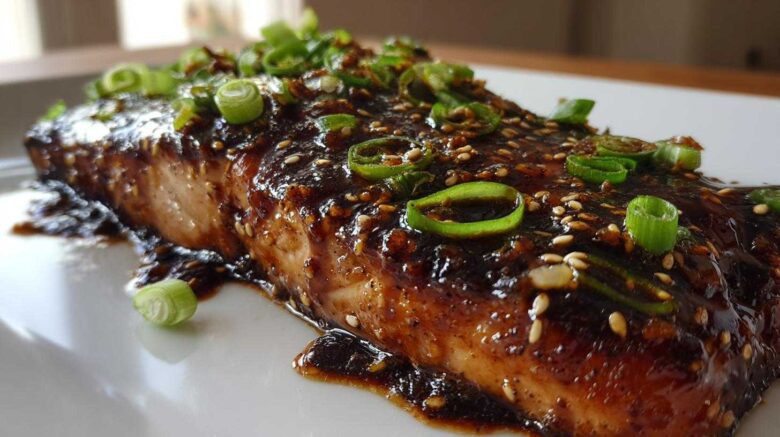
Welcome to our kitchen diary! Richard and I are Eleanor and Richard. We’ve gathered flavors for forty years. Now, we bring them home to you. You want fish that flakes just right. You crave that sweet, salty, sticky glaze.
Many recipes dry out the beautiful salmon. Not ours. We cracked the code for you. This Baked Teriyaki Salmon recipe is pure magic. It keeps the fish incredibly moist. The sauce turns perfectly sticky too. It’s truly an easy fish recipe.
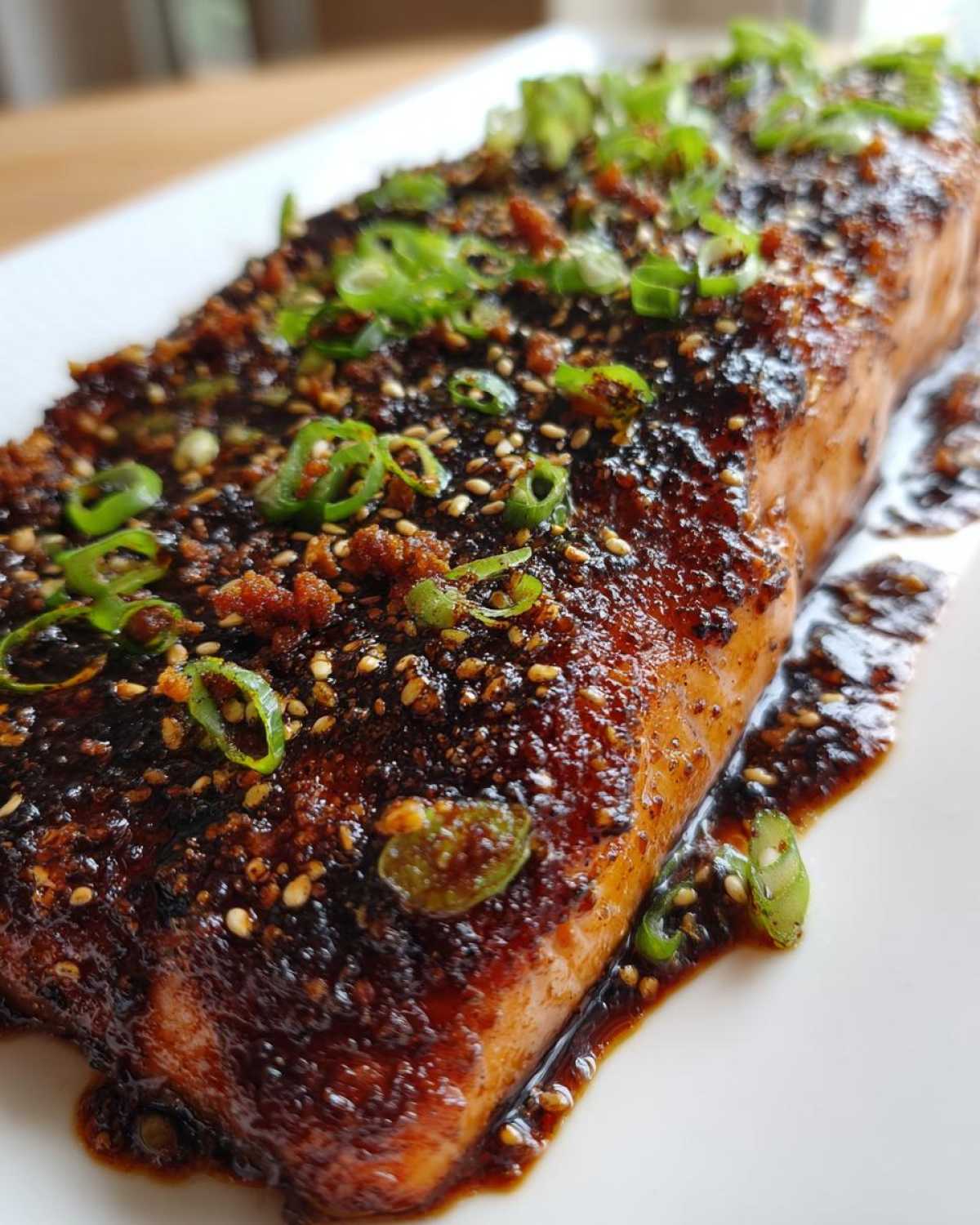
This dish instantly transports me back to a small seaside market. Richard remembers the aroma vividly. We kept trying to recreate that perfect balance. This version nails it every single time.
Get ready for flaky perfection.
Why You Will Love Our Baked Teriyaki Salmon
This recipe is truly a weeknight hero. You won’t spend hours slaving away. The oven does most of the heavy lifting here. We focus on texture, friends.
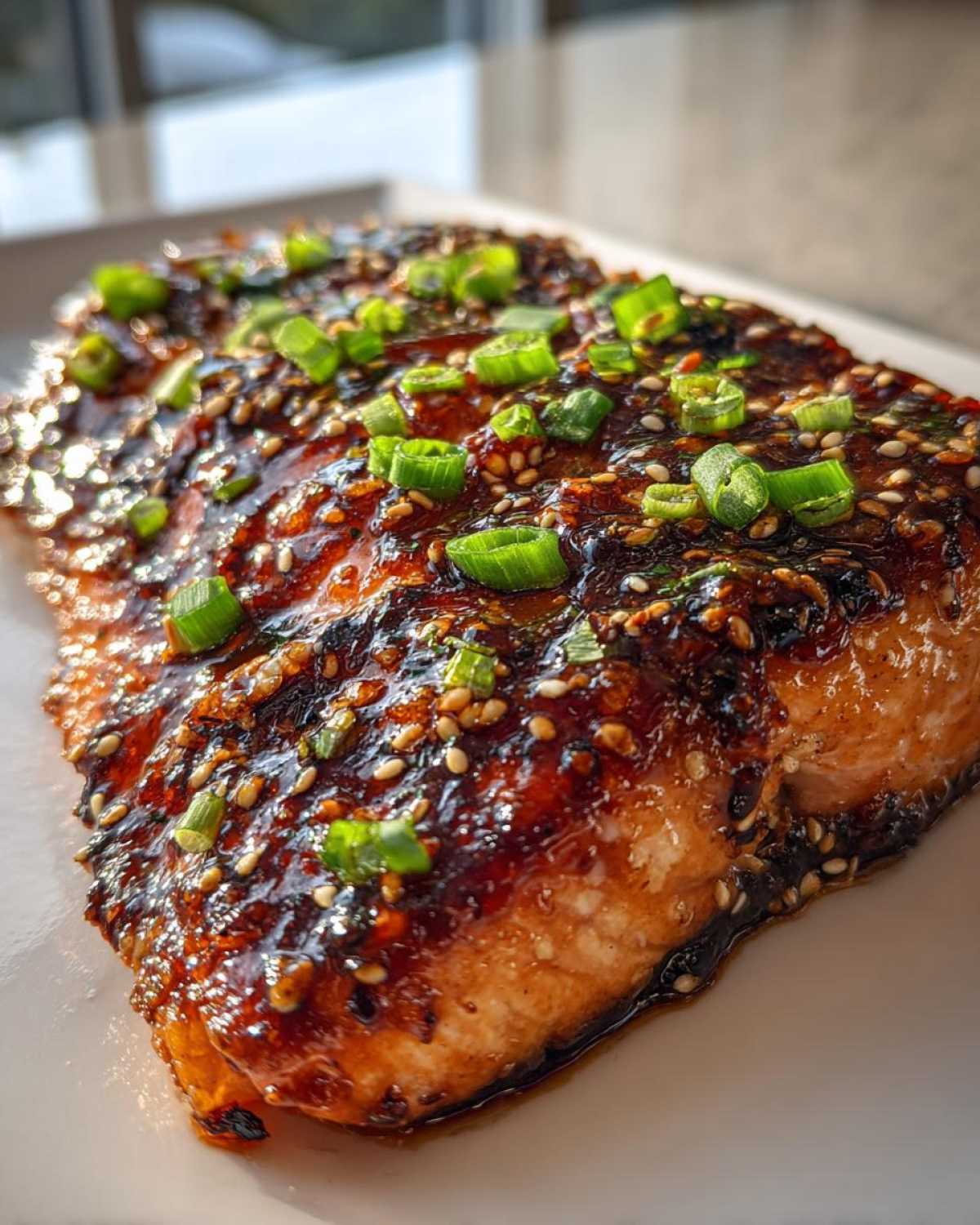
You get super moist salmon flesh. That wonderful sticky salmon glaze sets up beautifully. It’s simple, fast, and always delicious.
Quick Prep for Your Baked Teriyaki Salmon
Honestly, the prep takes just ten minutes. Ten minutes! That’s less than brewing a pot of coffee.
Even when life feels busy, you deserve good food. This recipe lets you serve a restaurant-quality main course fast. It’s our go-to easy fish recipe.
Essential Equipment for Perfect Baked Teriyaki Salmon
When we first started making this, we used whatever pans we had. Now, we know a few simple tools help immensely. Good equipment makes cooking feel like a breeze.
Having the right gear prevents sticking nightmares. It helps us manage that delicate bake time. You don’t need anything fancy, just sturdy basics.
Tools Needed for Baking Success
- A small saucepan for the glaze.
- A good whisk for mixing the slurry in.
- A reliable baking sheet.
- Parchment paper is your best friend here. Seriously.
- A pastry brush for glazing the fish.
Parchment paper stops the sugary glaze from gluing itself to the pan. Trust me on this one. Cleanup becomes almost nonexistent!
Ingredients for Authentic Baked Teriyaki Salmon
Gathering these components is like setting the stage for a flavor show. Everything plays a part in achieving that perfect Baked Teriyaki Salmon. Don’t skimp on the fresh ginger!
We need about 1.5 lbs salmon fillets. You can use skin on or off, your choice. For the sauce, grab 1/4 cup soy sauce and 1/4 cup mirin. Those are the base notes.
You’ll also need brown sugar and rice vinegar. Garlic and fresh ginger bring the warmth. For thickening, mix 1 teaspoon cornstarch with 1 tablespoon cold water. This makes a slurry.
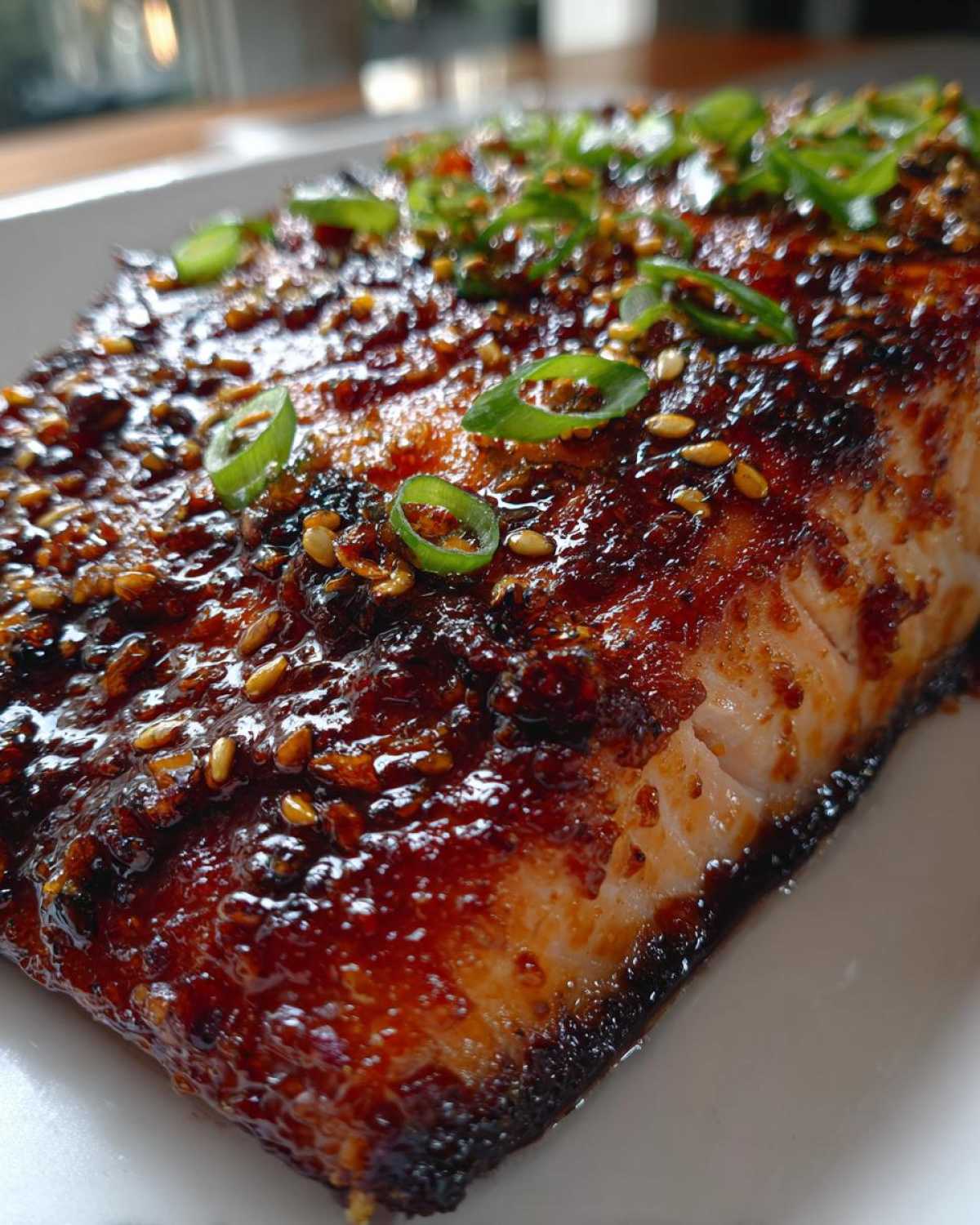
Finally, we finish with sesame oil. Garnish is key for looks. Think sesame seeds (for garnish) and sliced green onions.
Making the Sticky Teriyaki Glaze
This glaze is where the magic happens. It needs careful attention on the stovetop. Simmering melts the sugar nicely. Whisking in that slurry thickens it fast.
Remember, we only use half of this liquid gold initially. The second half goes on later. This prevents the sugar from burning too early. It ensures that sticky salmon finish we all crave.
Step-by-Step Instructions for Baked Teriyaki Salmon
Now for the fun part, turning these lovely ingredients into our amazing Baked Teriyaki Salmon. Follow these steps closely. They are designed to keep your fish moist. We want that beautiful, sticky coating, not a charred mess.
Getting the timing right is crucial here. It’s all about building layers of flavor safely. Remember, sugar burns fast under high heat. We manage that risk carefully. Baking fish requires attention to internal temperature.
Preparing the Salmon and Initial Bake
First things first, get that oven hot. Preheat your oven to 400°F (200°C). Line your sheet pan with parchment paper now. This saves scrubbing later, trust me.
Next, make the sauce base. Simmer your soy sauce, mirin, sugar, vinegar, ginger, and garlic. Stir until the sugar melts away completely. Whisk in the cornstarch slurry. Cook until it just thickens a bit. Remove it from the heat source.
Place your salmon fillets on the prepared pan. Brush about half of that warm glaze over the tops. Don’t drown them, just coat them lightly.
Pop the pan into the preheated oven. Bake these beauties for 10 to 12 minutes. This depends on how thick your salmon pieces are. You want them almost done.
Achieving the Perfectly Sticky Baked Teriyaki Salmon Finish
Once the initial bake is done, pull the tray out gently. Brush the remaining glaze evenly across the fish surfaces. This second layer builds the stickiness.
Return the salmon to the oven quickly. Watch them like a hawk now. This final stage only takes 2 to 4 minutes. We seek that sticky, caramelized look. Pull them out the second they look glossy.
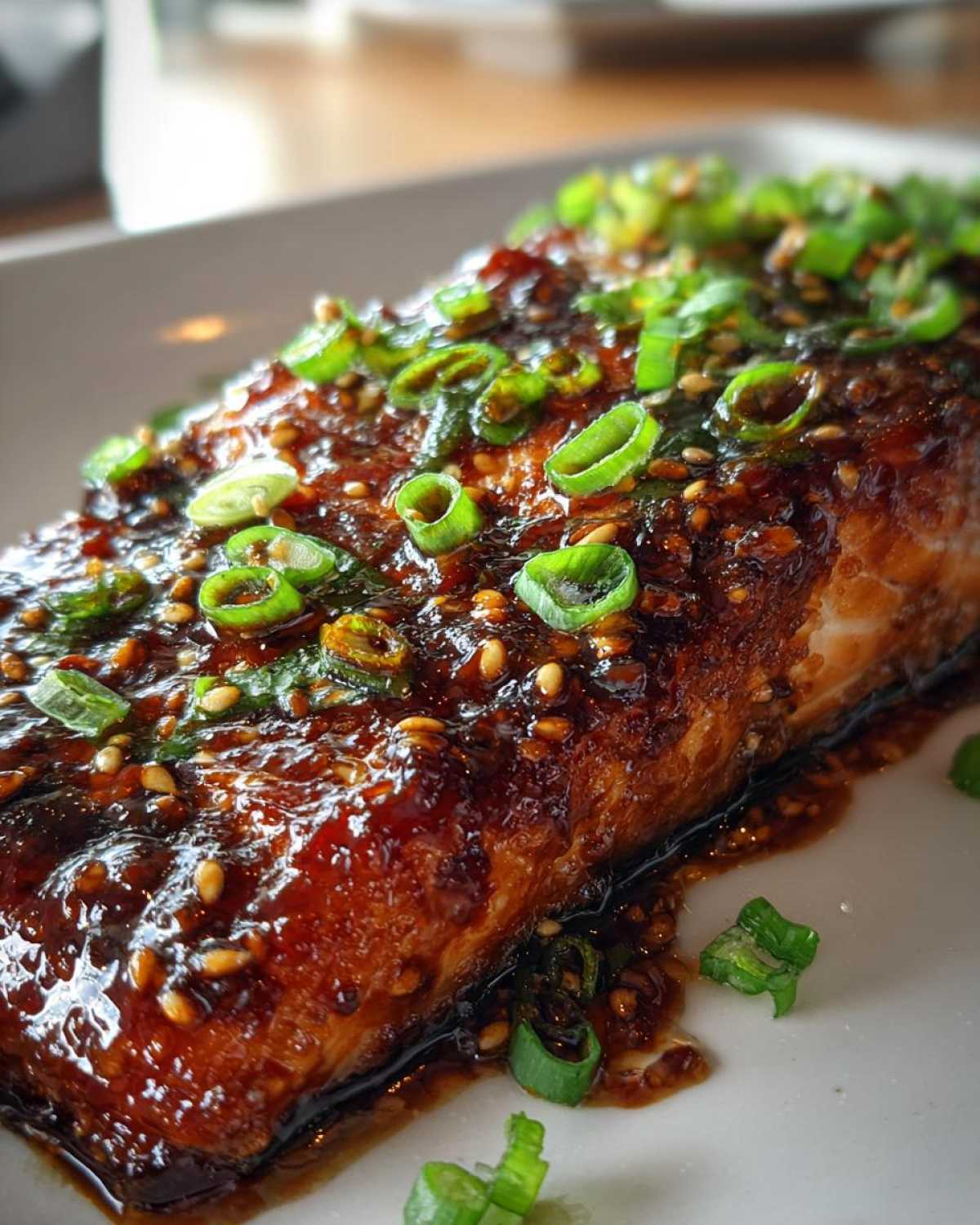
The fish should flake easily with a fork when done. Drizzle with sesame oil right away. Finish with a sprinkle of sesame seeds and green onions. Serve immediately for the best texture!
Tips from Richard and Eleanor for Moist Salmon
We know the biggest fear when cooking fish. It’s ending up with dry, sad flakes. Richard is very particular about texture. He remembers the perfect salmon from years ago.
We learned a few tricks over the decades. These tips make sure your Baked Teriyaki Salmon stays tender. It’s about managing moisture during the bake time.
One great tip is using skin-on salmon. The skin acts like a little built-in shield. It really helps keep that delicate flesh from drying out. We often choose skin-on for this reason.
If your fillets are different sizes, don’t worry. Just cut them into uniform pieces first. This helps them all cook evenly. Consistency is key for perfect results.
Ingredient Notes and Substitution Guidance
For an extra flavor punch, try marinating. Use half of the glaze mixture. Let the fish sit in it for fifteen minutes before baking. Richard loves this step.
If you want to skip the cornstarch slurry, it’s tricky. The glaze won’t set up right. That stickiness is what we are aiming for. So, stick to the slurry, please.
Do you not have mirin? You can substitute a little dry white wine. Add a tiny bit more brown sugar to balance it out. Taste as you go, always!
Frequently Asked Questions About Baked Teriyaki Salmon
We get so many questions about this classic dish. People are always worried about the fish drying out. Don’t fret! We’ve answered the most common worries here.
These little tips help everyone achieve that restaurant-quality result at home. Having an easy fish recipe that works every time is gold, right?
How long do I bake salmon fillets to avoid dryness?
This is the big one! For our 400°F oven, we use a two-stage bake. Start with 10 to 12 minutes initially. Then, glaze it again. The final bake is just 2 to 4 minutes more.
Always check thickness. Thicker pieces need a few extra minutes total. The fish should flake easily when done. That’s your visual cue.
Can I marinate the salmon longer for stronger flavor?
You certainly can, but be careful with time. If you use the full teriyaki glaze for marinating, watch out. The soy sauce and sugar can start to “cook” the fish. We suggest a maximum of 30 minutes total. Food safety guidelines recommend careful handling of raw fish.
If you marinate longer than 15 minutes, use only half the glaze. This keeps the fish firm. It helps you get that perfect sticky salmon texture later on.
Can I use maple syrup instead of brown sugar?
Yes, you can try that swap! Maple syrup is slightly sweeter than brown sugar. If you substitute it, use a little less maple syrup. Maybe start with two tablespoons instead of three.
Maple syrup browns faster, too. Keep a very close eye on the oven during that final glaze period. You want sticky, not black!
Storing and Reheating Your Baked Teriyaki Salmon
Even the best meals sometimes have leftovers. That’s okay with this easy fish recipe. Proper storage keeps your salmon tasting great.
Store cooled leftovers in an airtight container. They keep well in the fridge for about three days. Don’t leave cooked fish out too long.
Reheating is where we need to be gentle. High heat dries out salmon fast. We want to preserve that moist interior we worked so hard for.
My favorite way is reheating low and slow. Place the salmon in a small, oven-safe dish. Add just a teaspoon of water or broth.
Cover the dish tightly with foil. Bake it in a low oven, around 300°F (150°C). This gentle heat warms it through without cooking it more.
If you use the microwave, use short bursts. Cover it with a damp paper towel first. This adds a little steam back into the fish. Enjoy your leftovers!
Share Your Delish Diarist Entry
We’ve shared our memory with you today. Now, it’s your turn to write a new entry. Please try making our Baked Teriyaki Salmon soon. See how wonderfully moist it stays.
Tell us how it tasted at your table. Did that glaze get perfectly sticky for you? Richard loves reading your notes about the flavor balance.
Don’t be shy about your results. Every kitchen has a little chaos. That’s where the best stories happen, isn’t it? Check out our kitchen diary for more inspiration.
- Make the recipe this week.
- Leave a rating and comment below.
- Share your favorite cooking moment.
We treasure hearing from fellow travelers. Your success is our greatest reward here at Delish Diarist. Happy cooking, friends. We hope this recipe brings you joy.
PrintBaked Teriyaki Salmon: 2 Marvelous Steps to Sticky
Bake perfectly flaky salmon with a sweet and savory teriyaki glaze. This recipe focuses on keeping your fish moist while achieving that sticky sauce you love.
- Prep Time: 10 minutes
- Cook Time: 15 minutes
- Total Time: 25 minutes
- Yield: 4 servings
- Category: Main Course
- Method: Baking
- Cuisine: Japanese-inspired
- Diet: Low Fat
Ingredients
- 1.5 lbs salmon fillets, skin on or off
- 1/4 cup soy sauce
- 1/4 cup mirin
- 2 tablespoons brown sugar
- 1 tablespoon rice vinegar
- 1 teaspoon grated fresh ginger
- 1 clove garlic, minced
- 1 teaspoon cornstarch mixed with 1 tablespoon cold water (slurry)
- 1 teaspoon sesame oil (for finishing)
- Sesame seeds (for garnish)
- Green onions, sliced (for garnish)
Instructions
- Preheat your oven to 400°F (200°C). Line a baking sheet with parchment paper for easy cleanup.
- In a small saucepan, combine the soy sauce, mirin, brown sugar, rice vinegar, ginger, and garlic. Bring the mixture to a simmer over medium heat, stirring until the sugar dissolves.
- Whisk the cornstarch slurry into the simmering sauce. Cook for one minute, stirring constantly, until the sauce thickens slightly into a glaze. Remove from heat.
- Place the salmon fillets on the prepared baking sheet. Brush about half of the teriyaki glaze evenly over the tops of the salmon.
- Bake for 10 to 12 minutes, depending on the thickness of your fillets, until the salmon is nearly cooked through.
- Remove the salmon from the oven. Brush the remaining glaze over the fish. Return to the oven for a final 2 to 4 minutes, watching closely to prevent burning, until the glaze is sticky and the salmon flakes easily.
- Drizzle with sesame oil. Garnish with sesame seeds and sliced green onions before serving.
Notes
- We often use skin-on salmon; the skin helps keep the flesh moist during baking.
- For extra flavor, marinate the salmon in half the glaze for 15 minutes before baking.
- If your fillets vary greatly in thickness, consider cutting them into uniform portions.
Nutrition
- Serving Size: 1 fillet
- Calories: 300 (estimated)
- Sugar: 10g (estimated)
- Sodium: 600mg (estimated)
- Fat: 12g (estimated)
- Saturated Fat: 2g (estimated)
- Unsaturated Fat: 10g (estimated)
- Trans Fat: 0g
- Carbohydrates: 15g (estimated)
- Fiber: 1g (estimated)
- Protein: 35g (estimated)
- Cholesterol: 90mg (estimated)