

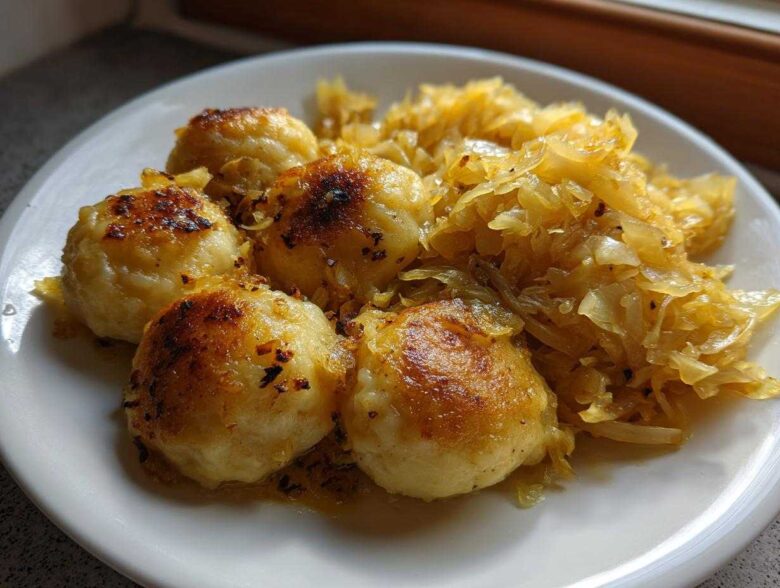
Oh, you are going to *adore* this! When I think about true, soul-soothing German comfort food, it’s never fancy—it’s always warm potatoes and something tangy. This recipe for German Dumplings With Buttered Cabbage is the real deal. Honestly, getting the texture on these potato dumplings, or Kartoffelklöße, right is everything; it’s what separates a soggy mess from something just perfect.
I remember making these for my big family reunion last fall. Everyone was digging in, asking, “How are they so perfectly soft on the inside but beautiful on the outside?” Mastering the dumpling dough is my favorite part because it feels like a little hug from my Omi. We’re moving beyond basic sides here; this combination of fluffy, slightly chewy potato dumplings and that incredible sweet and sour buttered cabbage is a meal all on its own, or the best accompaniment you could ever ask for.
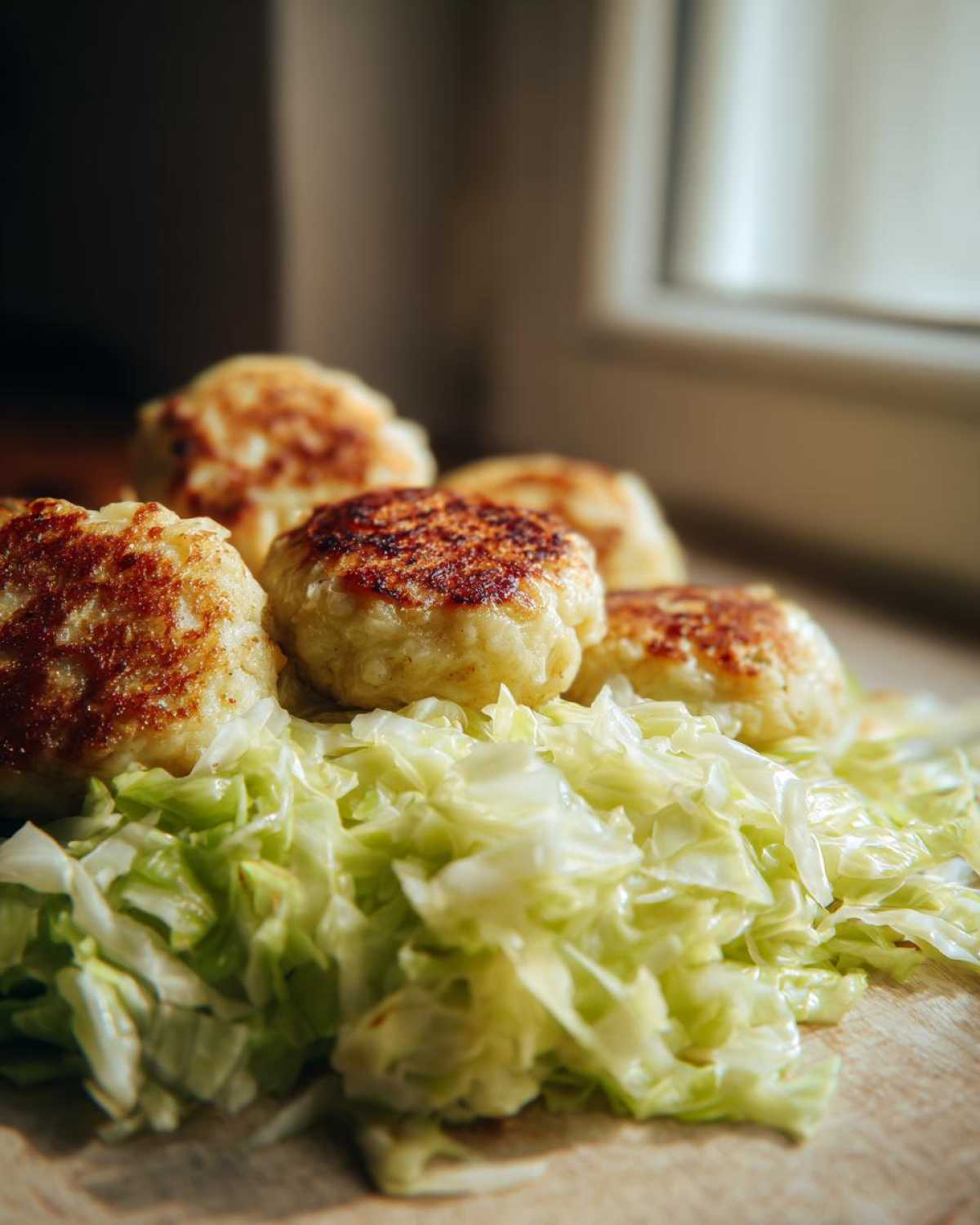
Why You Will Love This German Dumplings With Buttered Cabbage Recipe
Look, I know German cooking can sometimes look intimidating, but trust me on this one. This combination is surprisingly straightforward once you get the rhythm down. Here’s why this recipe needs to be in your rotation:
- Authentic Texture Guaranteed: We’re using starchy potatoes and letting them steam off properly. This creates Kartoffelklöße that are pillowy soft inside, not heavy bricks! You get that wonderful, delicate chew that you only find in truly traditional recipes.
- The Perfect Tangy Contrast: The dumplings are savory and rich, especially after their little butter bath, right? That’s why the cabbage is essential. We hit it with vinegar and sugar to make a fantastic sweet and sour side dish that cuts through the richness perfectly. It’s flavor harmony!
- Surprisingly Quick Components: While the potatoes are boiling, you’re already shredding the cabbage and chopping the onion. It all comes together much faster than you think. You can have this hearty side dish—or even a light meatless dinner—on the table in just over an hour. I even found a totally amazing sauerkraut potato ball recipe if you ever want to experiment with slightly richer flavor next time!
Ingredients for Authentic German Dumplings With Buttered Cabbage
Okay, let’s talk about what you need to gather. Don’t panic when you see two sections; it’s really just potatoes and cabbage, but we need to be specific about quantities for the best results. My biggest advice here is to grab those Russets or any other heavy, starchy potato you can find. Waxy potatoes just won’t give you the right dry texture for the dough.
We’re making sure we have enough for four hungry people! And yes, you’ll notice we use butter twice—once in the dough process and again at the very end to keep those gorgeous dumplings soft. If you’re after even more German side dish inspiration, check out this sauerkraut potato ball recipe for later!
For the German Potato Dumplings (Kartoffelklöße)
- 2 lbs starchy potatoes (Russets are my go-to—remember, STARCHY!)
- 1 large egg
- 1/2 cup all-purpose flour
- 1/4 cup semolina or fine breadcrumbs (Semolina gives it that authentic bite!)
- 1 teaspoon salt
- 1/4 teaspoon nutmeg (Don’t skip the nutmeg; it makes a huge difference!)
- 1 tablespoon butter (This goes into the actual dough mixture)
For the Sweet and Sour Buttered Cabbage
- 1 small onion, finely chopped
- 1/2 head green cabbage, thinly shredded (I mean really thin, like paper!)
- 1/4 cup water or broth
- 2 tablespoons white vinegar (The tang is non-negotiable for this German Style cabbage!)
- 1 tablespoon sugar
- 1 tablespoon butter (This is the finishing butter for flavor!)
Step-by-Step Instructions for German Dumplings With Buttered Cabbage
Alright, this is where the magic happens! Don’t let the list intimidate you; we’ll break this down chunk by chunk. The secret to perfect Authentic German Dumplings Recipe is patience, especially when dealing with the potatoes. Remember, everything needs time to rest or steam properly, so don’t rush the process!
Preparing the Kartoffelklöße Base
First things first: get those potatoes peeled and cubed. Toss them into plenty of salted water and boil them until they are totally tender—you should be able to smash one easily with a fork. Once they’re done, drain them *completely*. This next part is super important for Traditional German Klöße Instructions: spread the warm, cooked potatoes out on a sheet pan or a large cutting board. Let them sit there—maybe 10 minutes—so all that extra steam can escape. If you skip this, your dough will be too wet!
While they are cooling down just enough so you can handle them, turn on your water for the cabbage simmering later. You want a big pot of salted water coming up to a gentle simmer for the dumplings.
Forming and Cooking the German Dumplings
Once the potatoes are only warm (not piping hot!), you need to mash them or, even better, run them through a potato ricer. Get them as smooth as you can. Now, gently mix in the egg, the flour, the semolina (or breadcrumbs), your salt, the nutmeg, and that first tablespoon of butter. Here’s my little rule: mix with a wooden spoon and try not to use your hands too much at first. Overworking potato dough makes it tough, and we want soft dumplings!
When it’s just coming together, lightly wet your hands and start rolling—about 1.5 inches across is perfect for a standard Klöße. Don’t worry if they aren’t perfectly smooth spheres; rustic shapes are totally fine, especially with this potato ball recipe concept in mind.
Now, gently put them into that simmering water. I mean it: gentle! If the water is roiling, your dumplings will break apart. Let them cook until they float to the top, then give them an extra five minutes submerged after floating. Use a slotted spoon to fish them out and set them on a plate nearby.
Making the Easy German Cabbage Side Dish
While those dumplings were boiling away, you should have been prepping the cabbage for our Buttered Cabbage Recipes German Style. Melt that second tablespoon of butter in a wide skillet over medium heat. Toss in your finely chopped onion and let it soften up until it’s translucent—about three minutes.
Throw in all that thinly shredded cabbage and let it wilt down for about five minutes, stirring occasionally. Now, add the water or broth, the sugar, and that crucial white vinegar. Stir it all up, put a lid on it, and let it steam and simmer low and slow for about 15 to 20 minutes. You want it tender enough to eat easily, but it shouldn’t turn to mush; you should still feel a little texture when you bite into it.
Finishing and Serving Your German Dumplings With Buttered Cabbage
This is the final touch that elevates the whole dish! Melt that last bit of butter in a clean, small pan over low heat. Gently add your cooked dumplings to this melted butter. Just roll them around for a minute or two until they are beautifully coated and warmed through. They soak up that butter like little sponges!
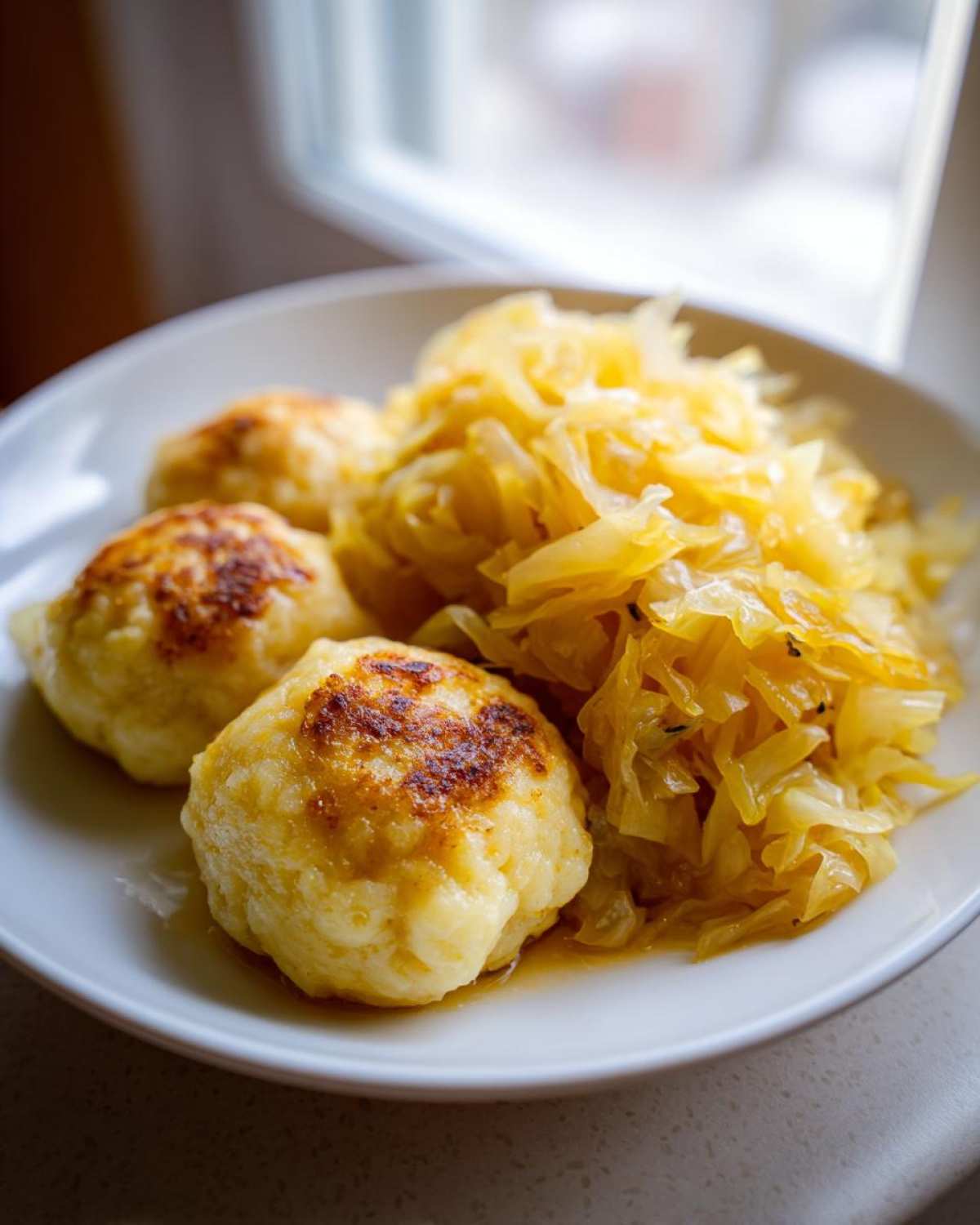
Time to eat! Plate up a generous scoop of that tangy, sweet and sour cabbage first, and then nestle those beautiful buttered dumplings right alongside it. Serve immediately while they are still warm from their butter bath. Enjoy this piece of **Classic German Comfort Food**!
Expert Tips for Cooking German Dumplings Perfectly
I’ve made these potato dumplings—Kartoffelklöße—so many times that I practically dream in potato starch! If you want to nail the texture every single time you try this Authentic German Dumplings Recipe, you need to follow these little rules I’ve picked up over the years. These aren’t just guesses; these are tried-and-true methods for the best texture.
For starters, let’s talk about the potato temperature when you mix. If you try to mix the flour and egg into piping hot potatoes, you’re basically cooking the egg right away, and that messes up the consistency. But if they are totally cold, they don’t absorb the starch correctly either. That 10-minute resting period after ricing them is your best friend! It lets the excess steam evaporate, which is key for **Cooking German Klöße Perfectly**.
The biggest mistake people make is overmixing the dough. Seriously, stop when it’s *just* combined. If you knead it like bread dough, those lovely, fluffy air pockets we worked hard to create when we mashed the potatoes will get squashed out, leaving you with heavy, rubbery bullets. You want the dough to feel soft and slightly sticky, but manageable enough to roll between your palms. If it’s hopelessly sticky, add a tiny pinch more flour, but resist the urge to dump it in!
Also, remember that gentle simmer for cooking. I’ve seen batches ruined by water that was too angry! Boiling too hard creates turbulence, and those soft dumplings just bash against each other and fall apart. We want a gentle, rolling bubble, just barely moving. Once they float, that’s your cue to start counting five more minutes before gently scooping them out. If you want to see another great dumpling variation, I really enjoy the flavors in this sauerkraut potato ball recipe when I’m feeling adventurous!
Ingredient Notes and Substitutions for German Dumplings With Buttered Cabbage
I want you to feel super confident gathering your supplies, because sometimes you just can’t find exactly what the recipe calls for. That’s totally fine. This is cooking, not surgery! But there are a couple of spots where being a little bit precise really matters, especially with the potatoes.
You absolutely must use starchy potatoes for these German Dumplings With Buttered Cabbage. Think Russet or Idaho potatoes—the ones that break down into white, fluffy mounds when cooked. If you mistakenly grab waxy potatoes (like new potatoes or red potatoes), they hold too much moisture and won’t let the starch release properly. You’ll end up with a gluey mess instead of gorgeous, homemade potato dumplings using this Authentic German Dumplings Recipe.
Now, let’s talk about that little bit of binder in the dough. I listed semolina or fine breadcrumbs, but if you only have panko breadcrumbs, that’s okay! Just pulse them quickly in a food processor to make them much finer—we don’t want big crunchy bits in our soft dumplings. If you don’t have semolina, fine cornmeal works as a decent substitute to give that slightly grainy texture that helps hold the shape.
For the cabbage tang, the white vinegar is traditional because it’s sharp and clean. But if you want a slightly deeper, more complex sour note—something that tastes a little more like a deli version of Buttered Cabbage Recipes German Style—try swapping the white vinegar for apple cider vinegar. It works beautifully with the sugar and still gives you that acidic punch needed to balance the richness of the dumplings.
Serving Suggestions for Your German Dumplings With Buttered Cabbage
While genuinely satisfying as a light vegetarian meal on its own—especially when you want something hearty without the heavy meat—these potato dumplings and the tangy cabbage really shine when paired with something savory. This dish belongs squarely in the category of German Dinner Ideas with Dumplings!
If you’re looking for that true, traditional plate, you simply can’t beat pairing this with a beautiful piece of roast pork. The rich gravy from the pork mixes perfectly with the buttered dumplings, and the cabbage cuts right through the fat. When I make roast pork, I usually slow-cook it in the oven while the dumplings are going, so everything finishes at the same time. It’s heavenly!
For something even more intensely German, try making a basic Sauerbraten. The sharp, wine-vinegar marinade used for the roast beef complements the sweet/sour profile of the cabbage perfectly. Plus, the gravy created from those pan drippings is the ultimate sauce for soaking up into the Kartoffelklöße.
If you’re looking for something quicker and simpler—maybe just a weeknight meal—you can never go wrong with good quality, pan-seared bratwurst or thick farmer’s sausage. The saltiness of the sausage next to the savory dumplings and sharp cabbage just hits every note without requiring hours of roasting time. And hey, if you’re looking for other cozy, hearty recipes that feel just as warming, you should definitely check out my recipe for slow-cooked beef stew—it delivers that same deep, comforting flavor!
Storage and Reheating German Dumplings With Buttered Cabbage
Now, this is the ultimate test for any great dumpling recipe, right? How well do they survive the fridge? These German Dumplings With Buttered Cabbage leftovers are actually fantastic because the cabbage gets even better overnight, soaking up more of that tangy vinegar goodness!
For storage, you need to keep the components separate if you can. Store the cooked dumplings in an airtight container and the leftover cabbage in another container. They’ll keep well in the refrigerator for up to four days. Don’t leave them out on the counter for too long, though; we want to keep that food safety standard high!
When it comes to reheating, you absolutely must avoid the microwave for the dumplings if you want to maintain that perfectly soft texture. Microwaving potato dumplings turns them into strange, slightly spongy things, and we worked too hard for that!
The very best way to reheat the Kartoffelklöße is either steaming them gently for about 5 to 7 minutes until they are warmed through, or, even better, pan-frying them. Take that last tablespoon of butter—or just a little fresh butter—and melt it in a non-stick skillet. Toss the dumplings in gently and pan-fry them over medium heat until they develop a very light, golden crust on the outside. They become almost crispy on the outside and perfectly soft inside. It’s divine!
For the cabbage, you can totally microwave it or gently reheat it in a small saucepan on the stovetop. Since it’s already got that nice vinegary sauce, it reheats beautifully without drying out. Just warm it until it’s steaming hot, and you’re ready to serve your leftovers!
Frequently Asked Questions About Making German Dumplings With Buttered Cabbage
I know you might have a few lingering questions running through your head when you tackle a classic like this. It’s totally normal! Dealing with potato starch can feel a little nerve-wracking, but trust me, once you know these little secrets, you’ll be making Traditional German Klöße Instructions look easy. Let’s clear up some common confusion so you can jump right into making this incredible German Potato and Cabbage Pairing!
Troubleshooting: Why Did My German Dumplings Fall Apart?
This is almost always a temperature issue! If your dumplings dissolve into potato mush as soon as they hit the water, it means your water was too aggressive. Remember when I said don’t let it boil rapidly? You need a gentle, lazy simmer. If the water is boiling hard, the physical agitation will tear apart the delicate surfaces of the dumplings before they’ve had time to set that starchy crust. Gently place them in the simmering water, allow them to float, and then just keep the temperature steady underneath them. They will hold their shape beautifully if you’re gentle about it!
Can I Make the Potato Dumplings Ahead of Time?
Yes, you certainly can! In fact, making the dough ahead of time is often easier because the starch has a little more time to relax. Once you’ve mixed the dough and formed your dumplings, you have two great options. You can place them on a parchment-lined tray and chill them in the fridge for up to a day. They will firm up perfectly. Or, if you have more time, you can freeze them un-cooked! Place them on parchment paper like before, flash freeze them until solid, and then tuck them into a sealed bag. When you cook them later, just drop the frozen dumplings directly into the simmering water—you’ll just need to add about 3 to 5 extra minutes cooking time after they float.
If you want something a little different but still in the potato realm, I highly recommend trying out the flavors in this German sauerkraut potato balls recipe sometime!
What is the Difference Between Klöße and Knödel?
Oh, that’s a great German cooking question! Think of Knödel as the big family name—it just means dumpling. In German cooking, you have Semmelknödel (bread dumplings) and Kartoffelklöße (potato dumplings). What we are making here are a specific type of Knödel, the potato variety. So, all Kartoffelklöße are technically Knödel, but not all Knödel are made from potatoes! It just depends on the region you are in; sometimes they use the words interchangeably, but potato ones are usually called Klöße up north or in certain regions, while others call all potato ones Knödel.
Nutritional Snapshot of This Classic German Comfort Food
I wanted to give you a little peek at what you’re enjoying when you dive into this incredible plate of German Dumplings With Buttered Cabbage. Now, look, I’m just a home cook, not a nutritionist, so these numbers are estimates based on the ingredients listed—especially accounting for that lovely butter we use on the dumplings and in the cabbage. But it lets you see why this dish feels so satisfying!
This combination truly embodies Classic German Comfort Food because it’s balanced in a hearty way—plenty of carbs for energy, but a decent amount of fiber and protein too, thanks to the potatoes and the semolina binder. It’s filling without leaving you feeling weighed down once the steam clears!
Here’s a quick look at the breakdown per serving:
- Serving Size: 1 serving
- Calories: 350
- Fat: 14g (about 8g Saturated Fat)
- Carbohydrates: 50g
- Fiber: 6g
- Protein: 8g
- Sugar: 12g (Mostly natural sugars from the cabbage/vinegar balance)
- Sodium: 450mg
Remember, if you happen to serve this alongside a big pork roast with gravy, those numbers are going to shift! The cabbage and dumplings themselves are quite modest in calories, making them the perfect canvas for whatever fantastic German main course you pair them with.
PrintGerman Potato Dumplings with Buttered Cabbage
Make authentic German potato dumplings (Kartoffelklöße) and serve them with simple, sweet and sour buttered cabbage.
- Prep Time: 25 min
- Cook Time: 45 min
- Total Time: 70 min
- Yield: 4 servings
- Category: Side Dish
- Method: Boiling and Sautéing
- Cuisine: German
- Diet: Vegetarian
Ingredients
- 2 lbs starchy potatoes (like Russet)
- 1 large egg
- 1/2 cup all-purpose flour
- 1/4 cup semolina or fine breadcrumbs
- 1 teaspoon salt
- 1/4 teaspoon nutmeg
- 1 tablespoon butter
- 1 small onion, finely chopped
- 1/2 head green cabbage, thinly shredded
- 1/4 cup water or broth
- 2 tablespoons white vinegar
- 1 tablespoon sugar
- 1 tablespoon butter (for cabbage)
Instructions
- Peel the potatoes and boil them in salted water until tender. Drain completely and let them cool slightly.
- Mash or press the warm potatoes through a potato ricer until smooth. Spread them on a tray to allow steam to escape for about 10 minutes.
- In a bowl, combine the mashed potatoes, egg, flour, semolina (or breadcrumbs), salt, and nutmeg. Mix gently until just combined; do not overwork the dough.
- Lightly wet your hands and form the potato mixture into uniform dumplings, about 1.5 inches in diameter.
- Bring a large pot of salted water to a gentle simmer (do not boil rapidly). Carefully drop the dumplings into the water.
- Cook the dumplings until they float to the surface, then let them cook for an additional 5 minutes. Remove them with a slotted spoon and set aside.
- For the cabbage, melt 1 tablespoon of butter in a large skillet over medium heat. Add the chopped onion and cook until soft, about 3 minutes.
- Add the shredded cabbage to the skillet. Sauté for 5 minutes until it starts to wilt.
- Add the water or broth, vinegar, and sugar. Stir well.
- Cover the skillet and let the cabbage simmer gently for 15 to 20 minutes, or until tender but still holding some texture. Stir occasionally.
- Melt the remaining 1 tablespoon of butter in a separate small pan. Add the cooked dumplings and gently roll them in the melted butter until lightly coated and warmed through.
- Serve the buttered dumplings immediately alongside the sweet and sour cabbage.
Notes
- Use starchy potatoes for the best dumpling texture.
- Do not let the dumpling water boil vigorously, or the dumplings may fall apart.
- For richer flavor, you can brown the dumplings slightly in butter after boiling.
Nutrition
- Serving Size: 1 serving
- Calories: 350
- Sugar: 12
- Sodium: 450
- Fat: 14
- Saturated Fat: 8
- Unsaturated Fat: 6
- Trans Fat: 0
- Carbohydrates: 50
- Fiber: 6
- Protein: 8
- Cholesterol: 60