

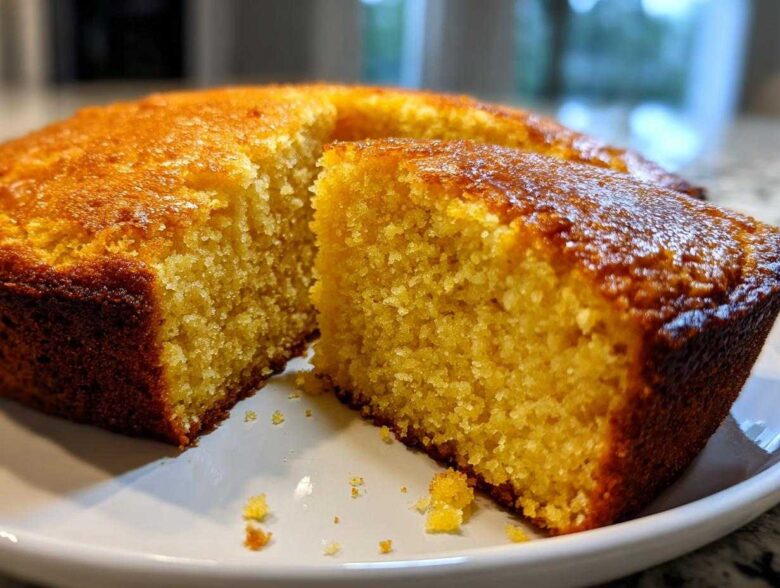
Oh, that sound! There is nothing, absolutely nothing, quite like the satisfying crackle when you slide a knife through the edge of truly perfect homemade bread. Richard and I have spent decades seeking out the best comfort foods, and when it comes to a rustic side dish, this Authentic Southern Cast Iron Skillet Cornbread is king. Forget those overly sweet cake-like versions; this is the real deal—savory, tender inside, and unbelievably crisp on the outside. I’ve been tweaking this recipe for years, using family methods to ensure every bite of this skillet cornbread transports you straight to a cozy Southern kitchen. If you want to know more about how we bring these memories back to life, you can always read about our story over at the Delish Diarist kitchen. Trust me, once you nail the crust on this one, you’ll never look back!
Why This Authentic Southern Skillet Cornbread Recipe Works
When Richard first described the skillet cornbread he remembered from his travels through the South, he insisted it wasn’t just about the taste; it was about the architecture of the crumb! This recipe succeeds because we honor the contrast. You get that hearty, savory depth without any added sugar messing with the corn flavor. It’s all about making sure the outside fights the inside for attention—in the best way possible, of course.
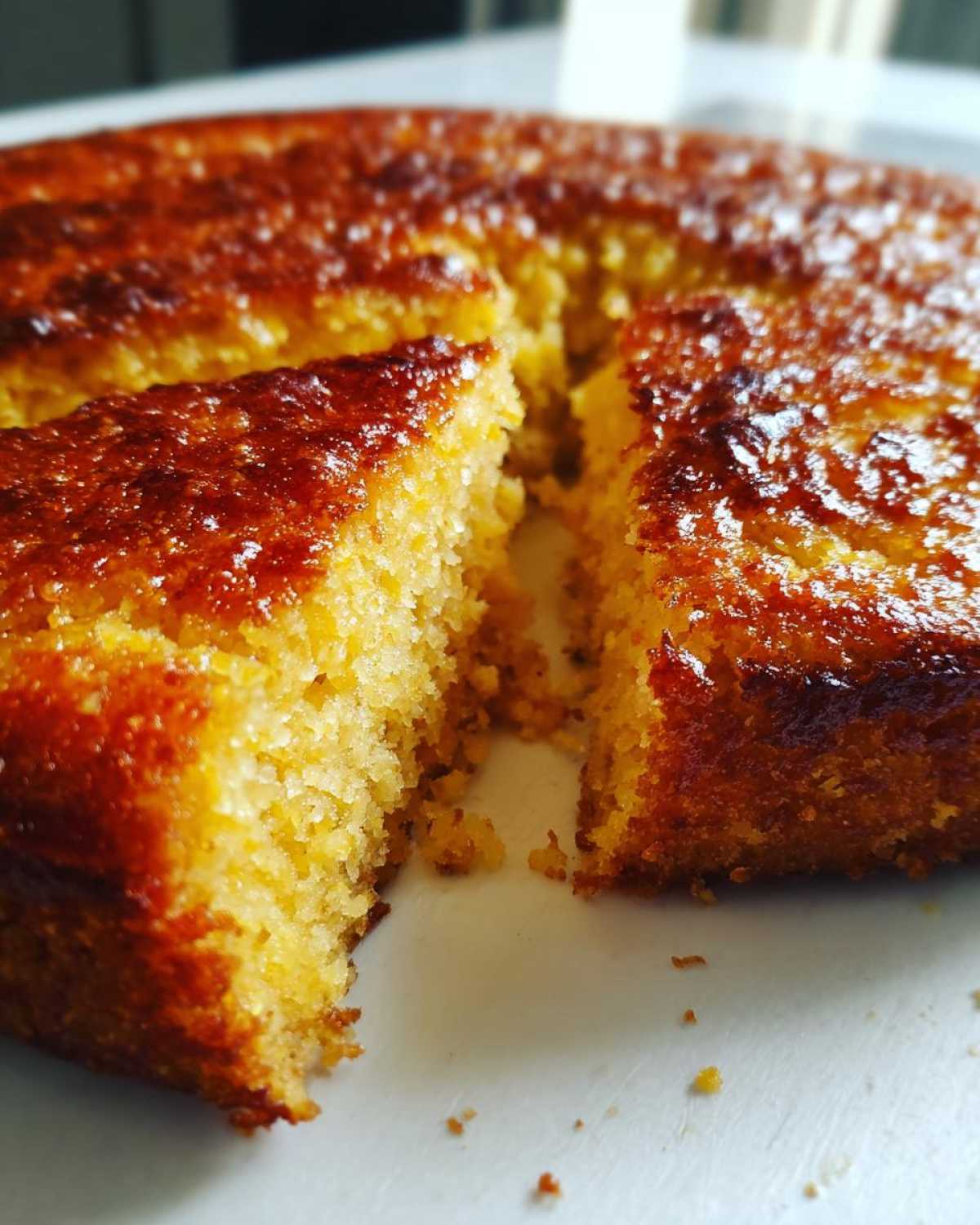
The Secret to Crispy Skillet Cornbread Edges
This step is non-negotiable, and it’s where most folks go wrong! You absolutely must preheat not only your oven but your cast iron skillet too. We’re talking ripping hot! When that melted bacon grease hits the batter, you need an immediate sizzle. That reaction is precisely what creates those famous Crispy Skillet Cornbread Edges that snap when you cut them. If your skillet isn’t scorching, you just get greasy bread instead of crusty perfection.
Achieving Moist Buttermilk Cornbread Texture
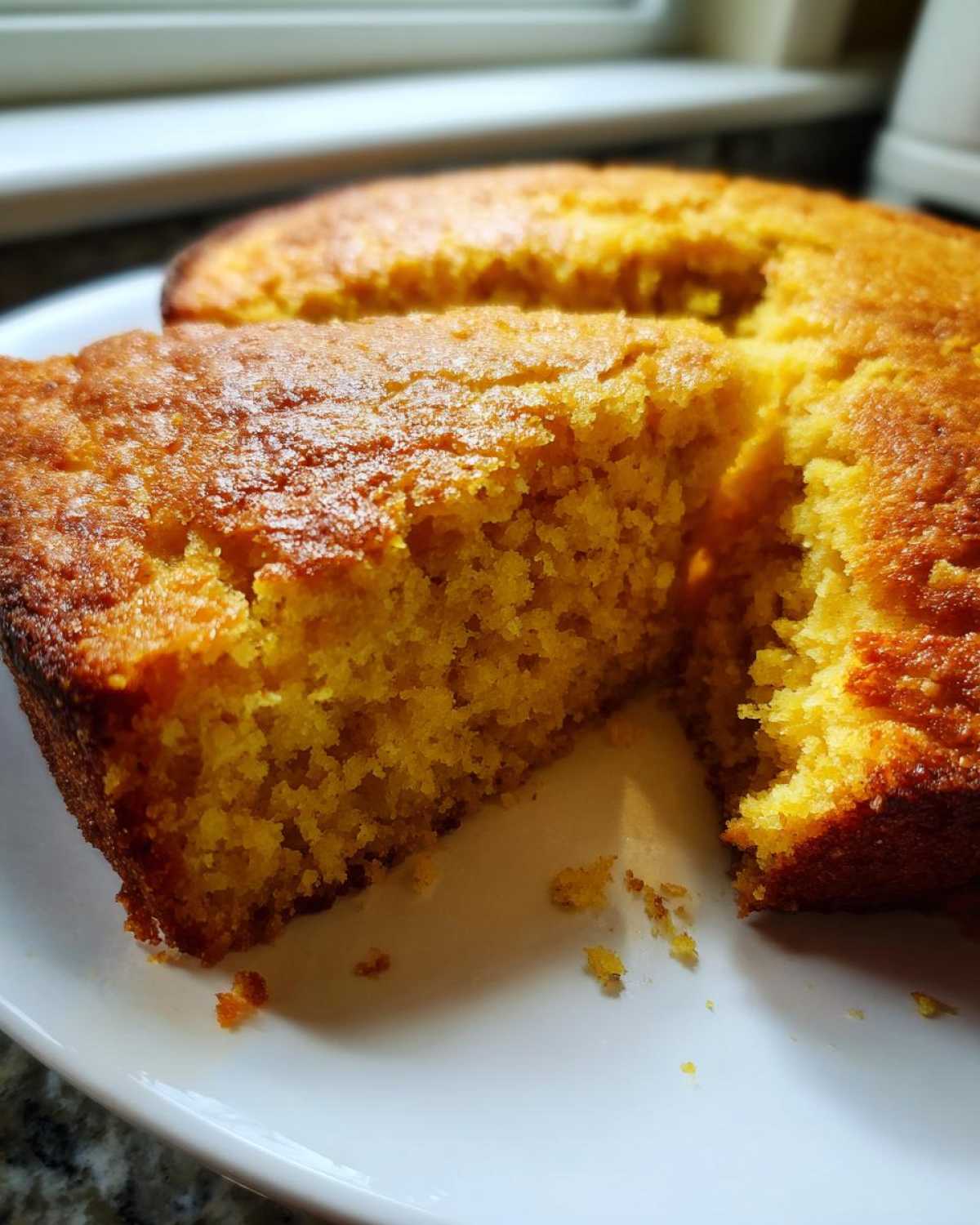
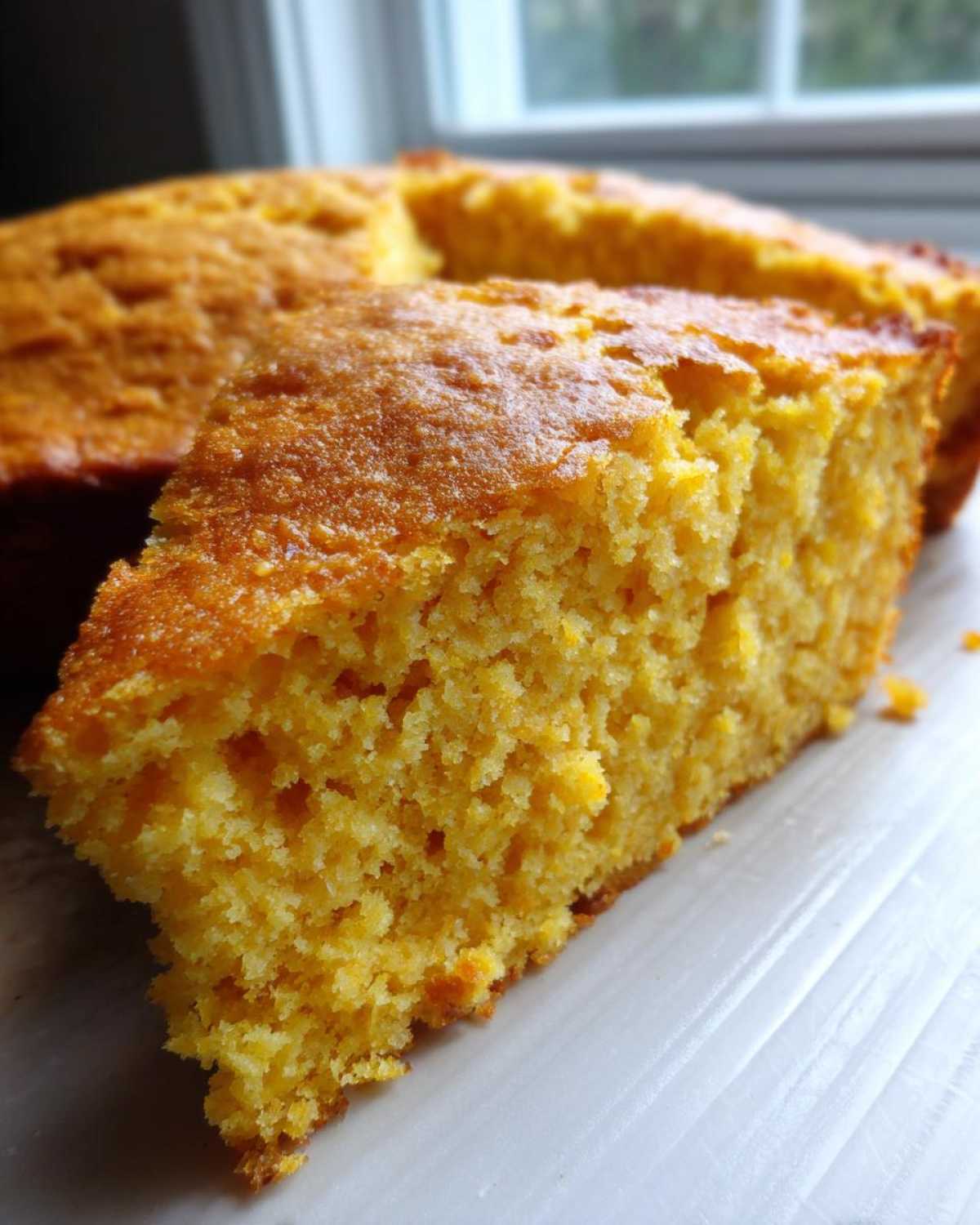
We keep the mixing to an absolute minimum here. You stir just until the flour disappears—that’s it! Overmixing develops gluten and makes the bread tough. The buttermilk works wonders, activating the soda right when it hits the heat, giving us that wonderful lift and tender crumb. This creates the contrast we want: a firm, crisp exterior surrounding a fluffy, Moist Buttermilk Cornbread center. It’s pure magic, I promise.
Ingredients for the Best Homemade Cornbread Recipe
For this savory skillet cornbread, we keep the ingredient list short and sweet, focusing on traditional Southern flavor. You won’t find any sugar lurking here, just honest, hearty goodness. The buttermilk and cornmeal are the stars! I do have a wonderful recipe for a honey-drizzled version if you prefer things sweeter, which you can check out right here: Honey Butter Skillet Corn Recipe. But for today’s classic? Here’s what you need to gather up for a batch that feeds eight generously.
- 1 cup yellow cornmeal
- 1 cup all-purpose flour
- 1 teaspoon baking soda
- 1 teaspoon salt
- 1/4 teaspoon baking powder
- 1 cup buttermilk
- 1 large egg, lightly beaten
- 1/4 cup bacon grease, melted (or unsalted butter if you absolutely must!)
Step-by-Step Instructions for Perfect Skillet Cornbread
Alright, let’s get this show on the road! I know the thought of handling a piping hot cast iron pan can make you nervous, but trust me, this is the shortcut to the most glorious skillet cornbread you’ll ever eat. We break this into two critical phases: the heat-up, and the pour-in. Pay careful attention to step one—it’s the absolute key to making this a successful Rustic Bread Recipe.
Preheating the Cast Iron Skillet Cornbread Pan
First things first: set your oven to 400 degrees Fahrenheit. Now, put your empty 10-inch cast iron skillet right in there while it heats up. We want that skillet to get screaming hot! This might feel unusual, but we aren’t making soft rolls; we are making something with a sturdy crust. The pan needs at least 15 minutes in that heat to truly be ready. This intense temperature shock is what makes the crust of your Cast Iron Skillet Cornbread pop.
Mixing and Pouring the Skillet Cornbread Batter
While the pan is heating up, you can mix the batter. Whisk your dry stuff (cornmeal, flour, soda, etc.) in one bowl. Whisk the wet stuff (buttermilk and egg) in another. Then, combine them! And here is my number one rule for tender bread: mix only until the flour streaks are *mostly* gone. Resist the urge to smooth it out completely. Lumps are proof you haven’t overmixed! As soon as the fat is shimmering in that preheated skillet (carefully remove it!), you pour that glorious batter right in and get it back into the oven within thirty seconds. Hurry, hurry!
Tips for Old Fashioned Cornbread Baking Success
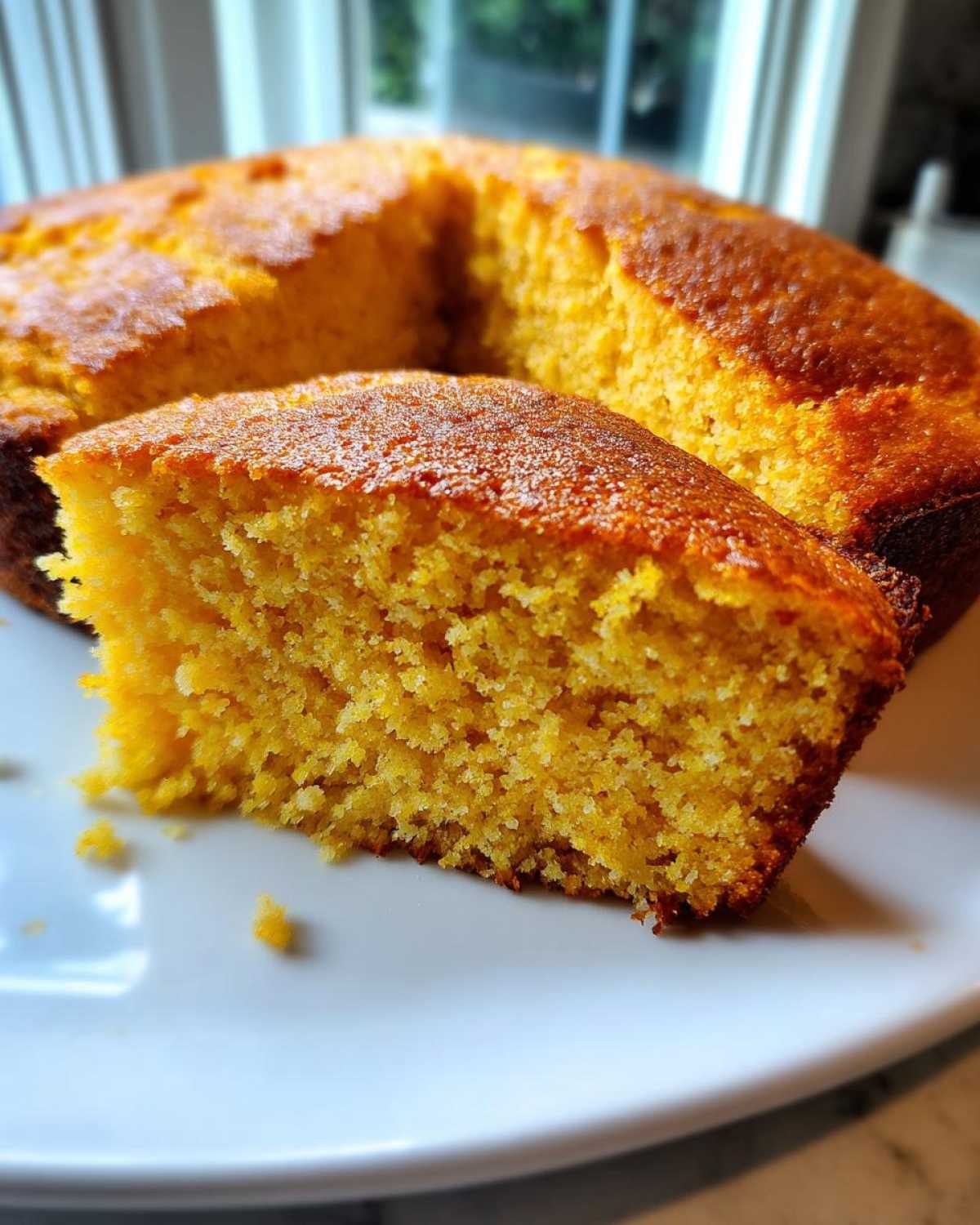
Richard and I have learned over the years that old-fashioned baking isn’t about following instructions robotically; it’s about understanding *why* the recipe works. If you follow the steps but something still feels off, maybe you’re missing a little bit of traditional wisdom. We aren’t just throwing flour around here; we’re rebuilding a very specific, cherished memory in the oven! Don’t fret if you have to play around a tiny bit with heat or timing; that’s just part of the fun of recreating that perfect, rustic bake. When you want more inspiration from our kitchen experiments, feel free to browse the rest of our entries on our blog.
Ingredient Notes and Substitutions for Skillet Cornbread
If there’s one ingredient that defines this as Southern Style Cornbread, it’s the fat. If you can handle it, please don’t skip the bacon grease! It adds a subtle, savory depth that butter just can’t mimic. It seasons the pan beautifully over time, too. But, I know not everyone keeps a jar of rendered fat handy, so melted unsalted butter is an acceptable stand-in to keep the edges crisp. Just know that the flavor profile shifts slightly—it becomes richer, perhaps, but less authentically smoky.
Now, let’s talk about the buttermilk. I never advise substituting it with regular milk. The acidity in buttermilk reacts perfectly with the baking soda, giving us that necessary lift and tenderizes everything beautifully. If you find yourself out of buttermilk, you can make a quick substitute: take a cup of whole milk and stir in one tablespoon of white vinegar or lemon juice. Let it sit on the counter for five minutes until it looks a little curdled. That small bit of tartness is crucial for the texture of this bread!
Serving Suggestions for Your Skillet Cornbread
This is where the real Southern spirit shines through! Because our No Sugar Cornbread Classic is savory and hearty, it begs to be paired with deeply flavorful, often saucy dishes. It’s not meant to be eaten alone; it’s the sturdy, unassuming sidekick that makes the main event shine brighter.
First and foremost, you simply must serve it alongside a big, steaming bowl of homemade chili. Richard insists on it—the savory cornbread soaks up that spiced broth perfectly. If you’re looking for an easy, spectacular pairing, I highly recommend trying out our recipe for a Classic Beef Chili Recipe. The texture of the bread holds up beautifully against the liquid.
Buttermilk cornbread is also mandatory when serving greens, like collards or mustard greens cooked down until they are almost tender enough to eat with a spoon. The crisp, buttery edges cut through the slight bitterness of the greens so nicely. Another favorite memory Richard always brings up is crumbling a piece of this bread right into a bowl of creamy pinto beans. It’s simple, true comfort food, the kind that sticks to your ribs and makes you feel cared for.
And look, if you’re feeling a bit decadent, feel free to slather a warm wedge with a sweet spread! A drizzle of good quality honey or a smear of homemade apple butter works wonders to balance out the savoriness. It’s a flavor combination our family has enjoyed for generations—the sharp saltiness meeting the sweetness. Don’t feel tied down to tradition; just enjoy the deliciousness!
Storing and Reheating Your Savory Skillet Cornbread
Now, I know the very thought of leftovers is a distant dream when this skillet cornbread comes fresh out of the oven, but life happens! Richard and I always try to save a piece or two because, honestly, I think it tastes even better the next day—if you treat it right, that is. The goal here is preserving that beautiful, crisp edge we worked so hard to achieve; nobody wants sad, soggy cornbread.
For simple storage, I recommend keeping it right on the counter for the first day or two. Just place it on a plate and cover it loosely with a clean tea towel; don’t seal it airtight in plastic. If you seal it up tight, that moisture gets trapped, and bye-bye, crispy crust. If you have more than two days’ worth, wrap the pieces well in foil before tucking them into the fridge. That foil acts like a small barrier against the cold air.
Reheating is where the real hack comes into play. Do not, under any circumstances, try to microwave more than a tiny piece! That always makes it rubbery. Instead, I use the same skillet method that made it great in the first place. Take the piece you want, slice it if you need to, and pop it back into a dry, room-temperature cast iron skillet over medium-low heat for just a few minutes per side. You aren’t cooking it again; you are just gently coaxing the moisture out and re-crisping that crust. If you used butter instead of bacon grease, you can add a tiny dab of fresh butter to the pan while heating—the smell takes me right back to my young married days!
Frequently Asked Questions About Cornbread
Now, I know we covered a lot of ground getting to that perfect, savory bite! Sometimes after I’ve written everything down, I realize I forgot to answer the questions that pop up most often from younger cooks trying out these Old Fashioned Cornbread Baking techniques for the first time. Richard always says if we get asked about sweet cornmeal once, we should write a whole paragraph about it!
Can I use sweet cornmeal instead of yellow cornmeal?
This is the big one! If you use sweet cornmeal, what you’re really making is a sweet cornbread, not the traditional Southern Style Cornbread we baked today. Sweet cornmeal has more sugar already in it, which leans it toward a cake consistency. For this specific recipe, which relies on savory notes from the buttermilk and bacon grease, stick to standard yellow cornmeal. If you absolutely need sweetness, use my alternative recipe for Sweet Cornbread with Honey instead; don’t try to force this savory bread into sweetness!
Why is my cornbread heavy or dense instead of fluffy?
If your slice of bread is heavy, it almost always comes down to two things we talked about: either you stirred the batter too much, developing too much gluten, or you didn’t get the skillet hot enough. Remember, the instant reaction between the cold batter and the sizzling hot grease is what lifts that bread up and creates those beautiful air pockets. If the skillet is just warm, it soaks in fat slowly and gets heavy. If you’re troubleshooting why your Homemade Cornbread Recipe isn’t fluffy, check that skillet temperature first!
Is bacon grease mandatory for this recipe?
I truly wish I could say no, but for the very best flavor, yes, the bacon grease is ideal! It’s what gives this Rustic Bread Recipe its signature savory depth. However, as I mentioned, melted unsalted butter will work as a substitute if you need a vegetarian option or are fresh out of grease. Just know that the butter version will have a milder flavor and won’t season your pan quite as richly over time.
If you have any other questions about technique or substitutions, please don’t hesitate to reach out via our Contact Page. We love hearing from fellow diarist bakers!
Estimated Nutritional Data for this Classic Side Dish
Richard always laughs because when we were busy raising the kids, I was tracking calories like a hawk, and now, I just try to enjoy the memory in the bite! However, since this cornbread is so wonderfully straightforward, it’s helpful to see what’s in a standard wedge. Please remember that these numbers are based on the ingredients listed in the recipe, and they are only estimates, of course.
The way you render your bacon grease, or whether you use full-fat or low-fat buttermilk, will definitely change these totals. This is just a guideline so you know what you’re serving up! This savory side dish is certainly filling, so a little slice goes a long way.
- Serving Size: 1 wedge
- Calories: 220
- Total Fat: 10g (This is where all that wonderful skillet heat lives!)
- Protein: 6g
- Total Carbohydrates: 29g
- Sugar: 1g (See? It’s savory!)
- Sodium: 350mg
We find that keeping the sugar so low allows the natural corn flavor to come through beautifully, which is exactly what we want from an Old Fashioned Cornbread Baking experience. Enjoy this information, but don’t let the numbers overshadow the joy of a perfectly baked slice!
Share Your Delish Diarist Baking Journey
Well, my dear friend, that’s it! We’ve walked through the steps, the history, and all my little secrets to making a truly authentic, savory slice of Southern comfort. Now the kitchen is yours! Richard and I treasure hearing from folks who bring these old memories back to life in their own homes. Baking should always be a shared experience, a way to connect across the miles and the years.
Please, if you try this recipe, come back right here and leave a note for us. Tell me how it went! Did you use the bacon grease? How did your butter and flour mix behave? I’m especially eager to hear about the results of that critical step—did you manage to achieve those deeply browned, shatteringly crisp edges? Tell me everything about that golden crust!
When you leave your thoughts, you help us continue to chronicle this delicious life we’ve built. It means the world to Richard and me that you’ve spent time reading our diary entry today. If you have any lingering questions about technique or you just want to share a story about a perfect meal shared with loved ones, you can always read our standard disclosures and then send us a message. Happy baking, and may your next meal be filled with wonderful memories!
PrintAuthentic Southern Cast Iron Skillet Cornbread (No Sugar Added)
Make this traditional Southern Skillet Cornbread in your cast iron pan for irresistibly crispy edges and a moist, savory center. This easy recipe delivers classic flavor perfect for pairing with chili or beans.
- Prep Time: 10 min
- Cook Time: 25 min
- Total Time: 35 min
- Yield: 8 servings
- Category: Side Dish
- Method: Baking
- Cuisine: Southern American
- Diet: Vegetarian
Ingredients
- 1 cup yellow cornmeal
- 1 cup all-purpose flour
- 1 teaspoon baking soda
- 1 teaspoon salt
- 1/4 teaspoon baking powder
- 1 cup buttermilk
- 1 large egg, lightly beaten
- 1/4 cup bacon grease, melted (or unsalted butter)
Instructions
- Preheat your oven to 400 degrees Fahrenheit. Place your 10-inch cast iron skillet in the oven while it preheats. You want that skillet very hot.
- In a large bowl, whisk together the cornmeal, flour, baking soda, salt, and baking powder.
- In a separate bowl, whisk together the buttermilk and the beaten egg.
- Pour the wet ingredients into the dry ingredients. Mix just until combined; do not overmix. A few lumps are fine.
- Carefully remove the hot skillet from the oven. Add the bacon grease to the hot skillet and swirl it around to coat the bottom and sides completely. The grease should be shimmering.
- Pour the batter immediately into the hot, greased skillet.
- Return the skillet to the oven and bake for 20 to 25 minutes, or until the top is golden brown and a toothpick inserted into the center comes out clean.
- Let the cornbread cool in the skillet for about 5 minutes before slicing and serving warm.
Notes
- Heating the skillet and the fat until they are very hot before adding the batter is the secret to achieving those signature crispy skillet cornbread edges.
- If you do not have bacon grease, you can substitute it with 1/4 cup of melted unsalted butter for a rich flavor.
- This savory cornbread pairs wonderfully as a side dish for chili or slow-cooked greens.
Nutrition
- Serving Size: 1 wedge
- Calories: 220
- Sugar: 1
- Sodium: 350
- Fat: 10
- Saturated Fat: 4
- Unsaturated Fat: 6
- Trans Fat: 0
- Carbohydrates: 29
- Fiber: 2
- Protein: 6
- Cholesterol: 45